









Japanese Rice Dishes: Onigiri, Sushi, Sake, and the Food Culture Rice Built
This article is related “Rice in Japanese History: The Grain That Paid Taxes, Measured Power, and Built a Nation,”Part 1 of series about Japanese rice.
In the second installment of this series, we focus on the role of rice in the modern Japanese diet.
In addition to the wide variety of rice cultivars currently grown in Japan, we will also introduce dishes, snacks, and beverages made from rice.
We encourage you to try them for yourself when visiting Japan.
The Rice Grown in Japan
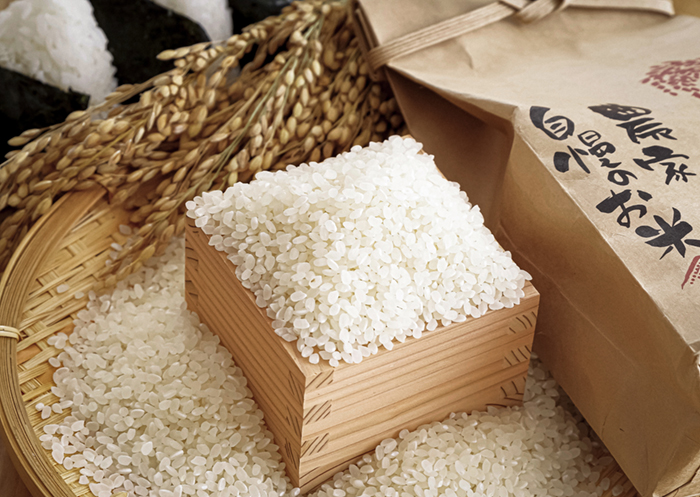
The rice mainly cultivated in Japan is “ジャポニカ米 Japonica rice.” Japonica rice has unique distinct against other rice variety.
Once cooked, Japonica rice is characterized by a chewy texture—soft with just the right amount of stickiness—and a sweetness that intensifies the more you chew. The grains are shorter and rounder compared to Indica rice, one of the world’s most famous rice varieties.
It has become an indispensable staple of Japanese cuisine because it retains its flavor well even after cooling and thrives in relatively cool climates.
Among Japonica rice varieties, a few names come up again and again:
– コシヒカリ Koshihikari — the best-known Japonica variety, grown across the country
– あきたこまち Akitakomachi — bred from Koshihikari, and noted for an even stickier texture
– ササニシキ Sasanishiki — comparatively light and less sticky, and a common choice for 寿司 sushi
These, and the many other everyday varieties like them, are collectively known as うるち米 uruchimai, to distinguish them from the glutinous rice discussed below.
Other kinds of rice worth knowing
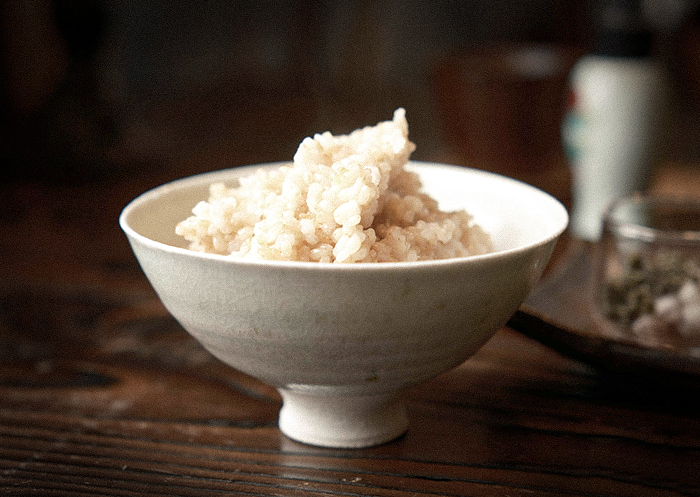
– 古代米 kodaimai, ancient rice — varieties close to rice’s original strains, including 黒米 kuromai, black rice, and 赤米 akamai, red rice. Both are rich in minerals and typically eaten mixed with white rice.
– もち米 mochigome, glutinous rice — a notably sticky variety once treated as a sacred food. Today it is used for 赤飯 sekihan, おこわ okowa, and traditional sweets.
Rice Dishes Worth Trying in Japan
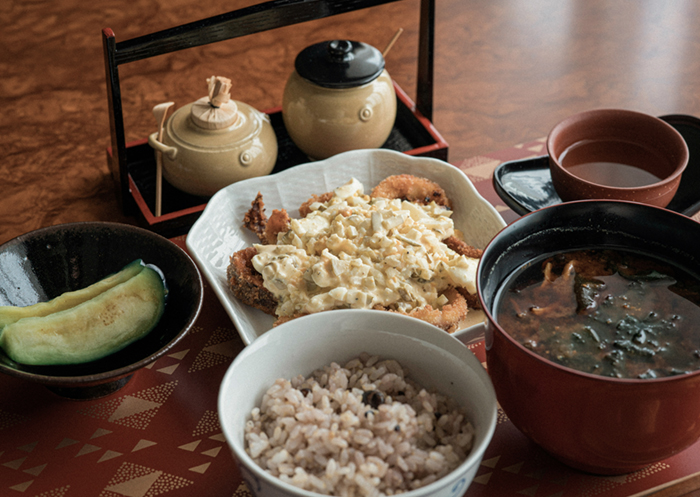
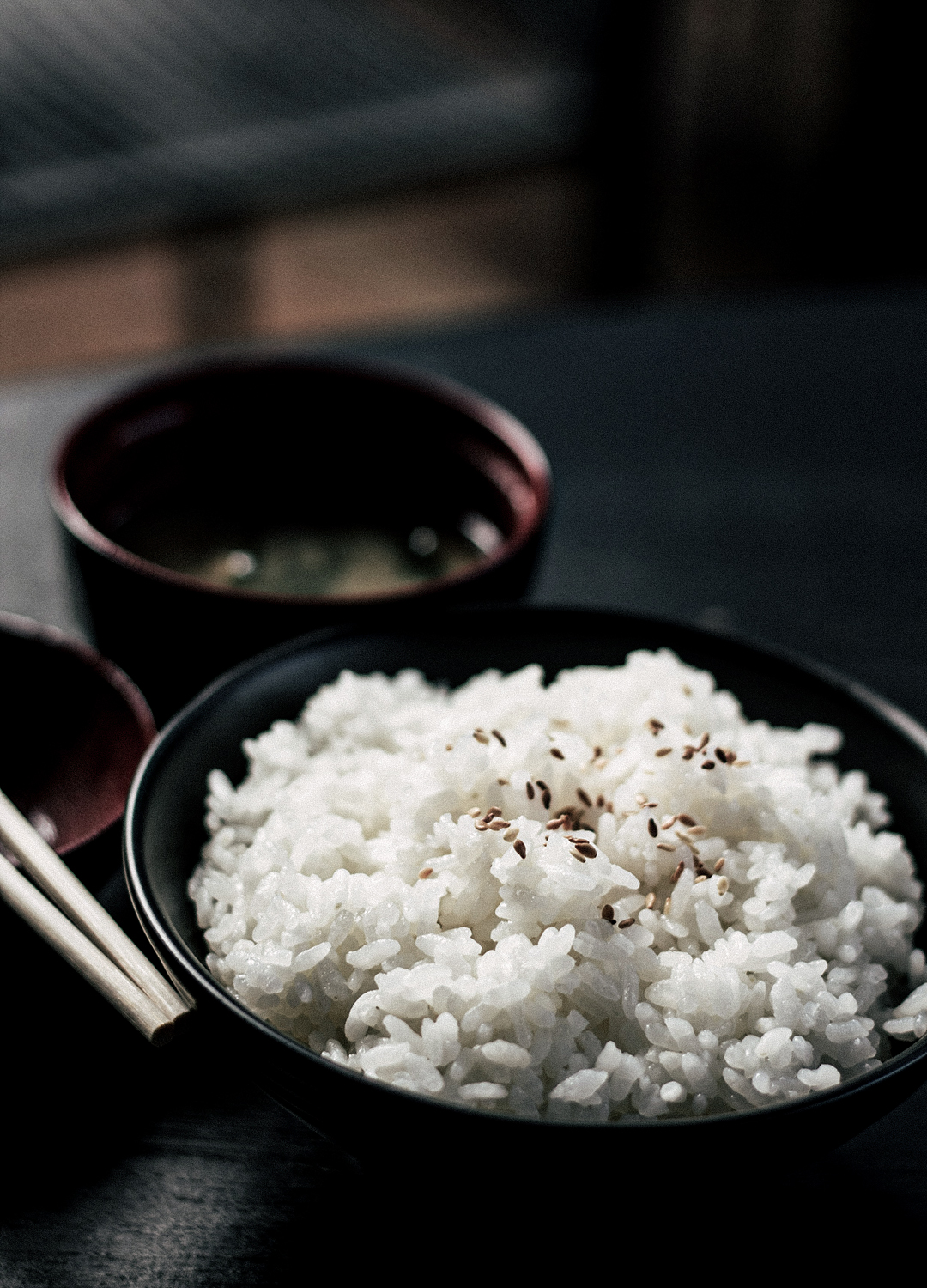
Japonica rice’s particular qualities are why it sits at the center of washoku. A bowl of hot rice alongside a main dish and a bowl of 味噌汁 miso soup — the standard 定食 teishoku, or set meal — is the everyday form this takes.
But if there is one dish worth seeking out for the rice itself, it is one built directly around cooked rice — gohan — as the main event. The following are the dishes that do exactly that.
Onigiri (Omusubi)
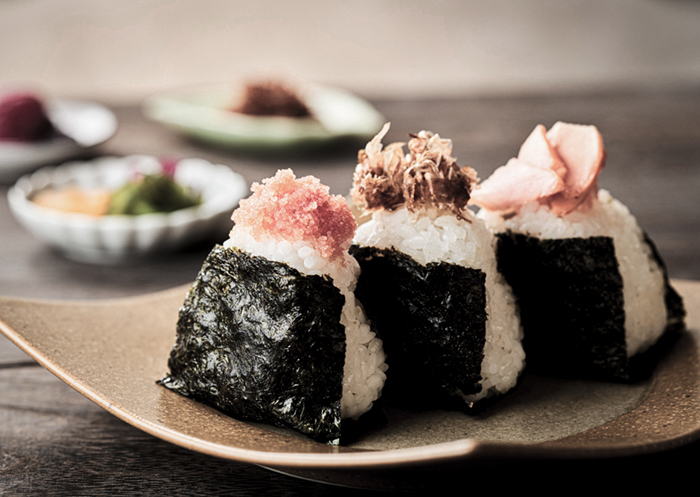
おにぎり onigiri, rice ball is a food made from rice and fillings. In other parts of Japan, it is also called “おむすび omusubi.”
Terminology varies by region; there is a tendency to call them “onigiri” in western Japan and “omusubi” in eastern Japan.
Shape varies just as freely — triangular, round, or the cylindrical tawara shape — by region and household alike.
Onigiri are made by wrapping fillings in cooked rice. Common fillings include pickled 梅 ume, pickled plum and おかか okaka, bonito flakes mixed with soy sauce. To prepare them, the rice is shaped by hand and wrapped in a sheet of 海苔 nori, dried seaweed .
Because they can be easily eaten with one hand, they are a staple for picnics, お花見 ohanami, cherry blossom viewing, and packed lunches.
Onigiri‘s history runs deep. It appears to have served as portable food as far back as the Yayoi period, roughly 2,000 years ago: a lump of carbonized rice unearthed at the 杉谷チャノバタケ遺跡 Sugitani Chanobatake archaeological site in Ishikawa Prefecture is considered its prototype.
By the Heian period (794-1185), a version called 屯食 tonjiki was distributed at the imperial court. Through the Kamakura and Sengoku periods, onigiri served samurai as 兵糧 hyōrō, military provisions, typically filled with pickled plum. With the spread of nori in the Edo period, onigiri reached ordinary households and settled into something close to its present-day form.
A dish with wide variation
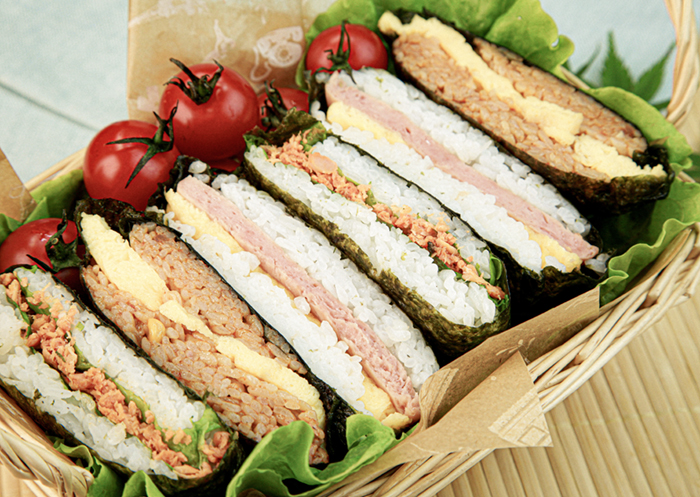
“おにぎらず onigirazu“ is a new style of rice ball. Instead of shaping the rice by hand, you place the rice in the center of a sheet of dried seaweed and fold the edges of dried seaweed over to wrap it up. The name “Onigirazu” literally means “not squeezed” or “not molded by hand.” It has gained popularity because it can be eaten much like a sandwich, allowing for preparation and consumption without getting one’s hands dirty.
Sushi
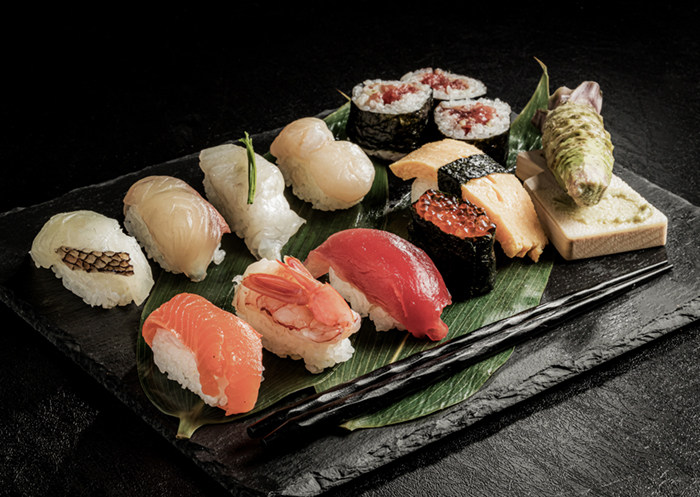
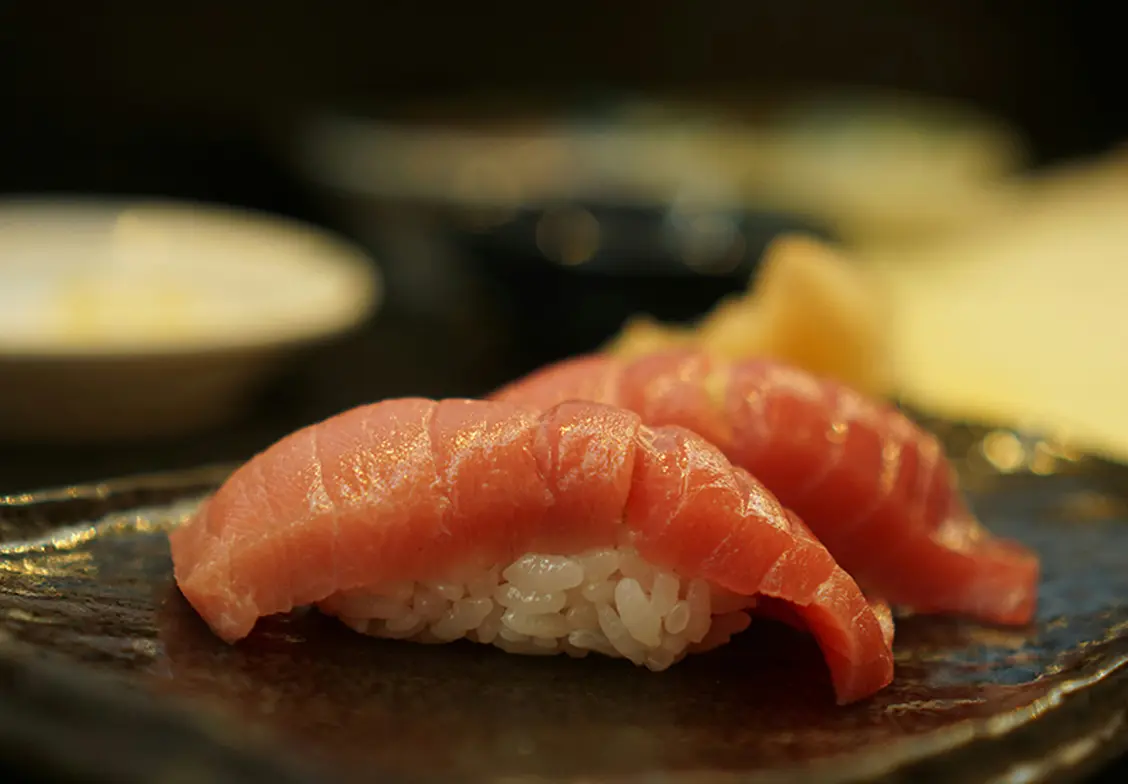
寿司 sushi is one of the most famous Japanese dishes in the world. It consists of seafood placed atop シャリ shari, vinegared rice. This type is generally referred to as 握り nigiri.
There is also a wide variety of sushi styles. Specific examples include ちらし寿司 chirashi-zushi, where the ingredients are scattered over the rice, and 押し寿司 oshi-zushi ,pressed sushi, which is made by packing the ingredients and rice into a mold and pressing them down.
Sushi carries an image of high-end dining today. However, during the late Edo period, it was a form of fast food sold at street stalls. Rather than the refined experience of dining at a counter—which many visitors expect today—it was more akin to a stall selling hamburgers, kebabs, or dim sum.
Takikomi Gohan
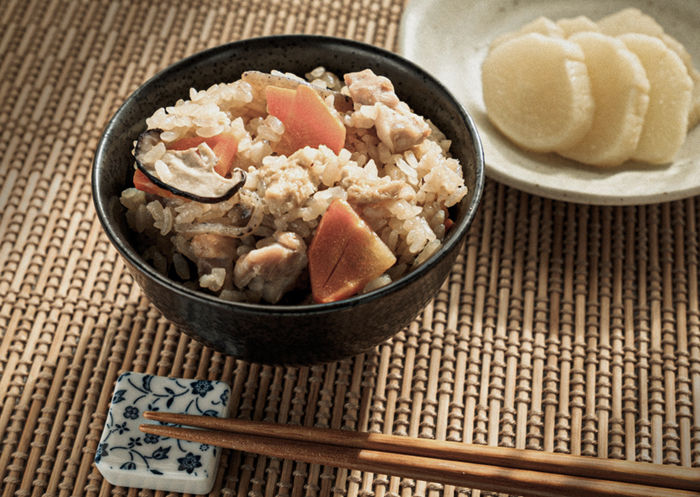
Rice cooked together with ingredients and seasoning in a single pot. The crust that forms at the bottom, おこげ okoge, is a small reward in itself. Common additions include carrot, fried tofu, and chicken.
Two related dishes are worth distinguishing from it.
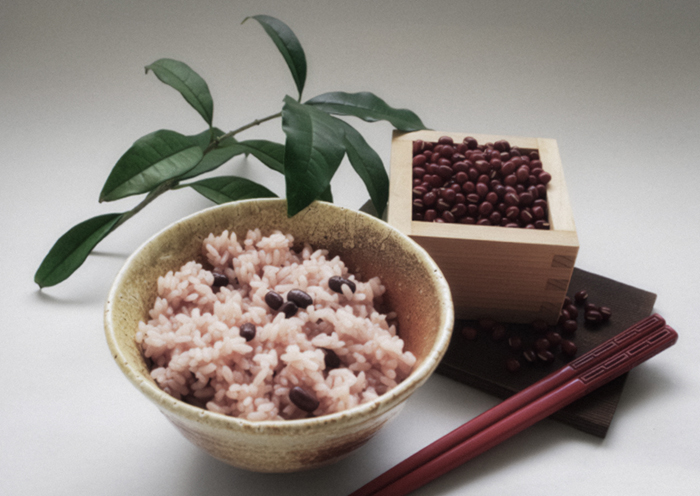
– 赤飯 Sekihan — Glutinous rice cooked with ささげ sasage, a type of cowpea, and topped with sesame salt. The rice takes on a faint red tint and is traditionally served on occasions worth celebrating, such as a child’s school entrance. Azuki beans have largely replaced sasage in recent years — though, as this author’s grandmother maintains, sekihan made with sasage has a fuller flavor, and she still buys them specially on the rare occasions she makes it.
– おこわ Okowa — Glutinous rice steamed with ingredients such as wild mountain vegetables, pork, or mushrooms.
At first glance, okowa looks similar to takikomi gohan. However, there are subtle differences.
The Difference Between takikomi gohan and okowa:
takikomi gohan — okowa
Rice used — うるち米 Uruchimai — もち米 Mochigome
Cooking method — Cooked with ingredients — Steamed with ingredients
Tamago Kake Gohan
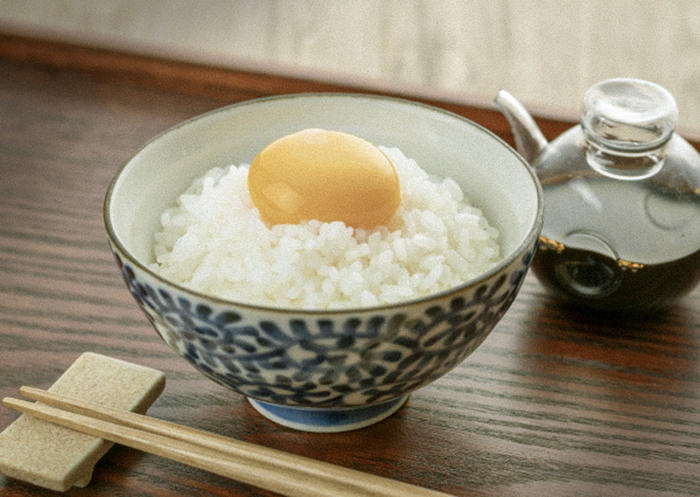
White rice topped with a raw egg and soy sauce. Using a raw egg may sound alarming to some readers, but there is little cause for concern: eggs produced in Japan are subject to strict hygiene standards. That said, always use an egg within its expiration date, and this dish is best avoided by infants, the elderly, pregnant women, and anyone with a weakened immune system.
There is more than one accepted method:
– Mix-first — the egg is beaten before it goes onto the rice
– Crack-direct — the egg is cracked straight onto the rice
– Fluffy-style — the egg white is whipped into a meringue, with the yolk placed on top afterward
This author favors the crack-direct method, paired with a soy sauce built on fish stock — oyster soy sauce or pike conger soy sauce among them — for an added layer of umami that fills the mouth the moment it hits the tongue.
Ochazuke
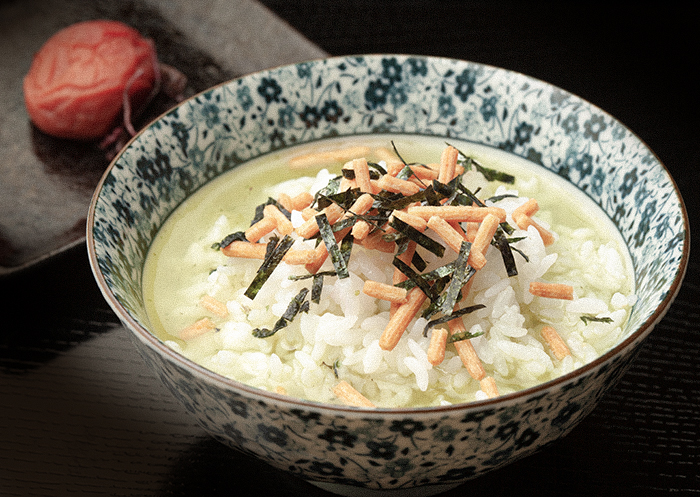
Hot tea, or hot water, poured over rice topped with a chosen ingredient. It is said to have originated in the Edo period as a way to make cold leftover rice palatable while guarding against food poisoning.
煎茶 sencha or ほうじ茶 hōjicha are the standard teas, though 出汁 dashi broth and even chilled tea have become common more recently. Typical toppings include pickled plum, nori, and salmon.
In Kyoto, the same dish goes by another name: ぶぶ漬け bubuzuke. It also lends its name to an old Kyoto phrase — “Care for some bubuzuke?” — once used, indirectly, to signal that it was time for a guest to leave. The phrase belongs to the past; it is not used in Kyoto today.
(Readers interested in Kyoto’s dialect and its indirect turns of phrase may want to read this author’s separate article on the subject.)
Furikake Gohan
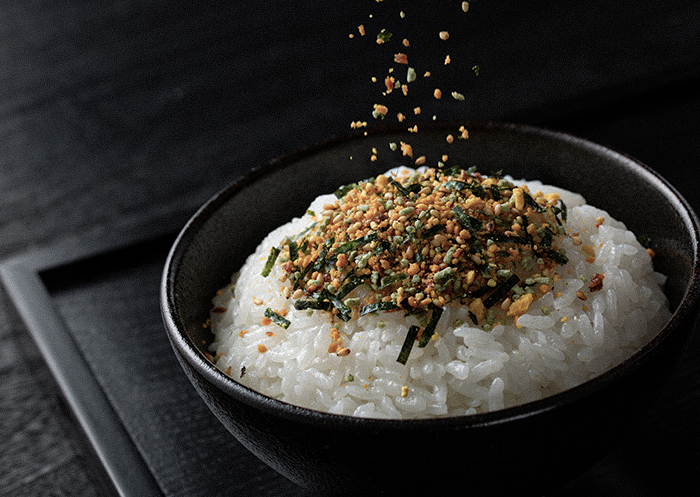
Rice topped with ふりかけ furikake, a dry seasoning blend that comes in flavors built around bonito flakes, salmon, egg, and more. It is said to have originated in the early Taishō era as a way to address calcium deficiency; the earliest versions were made from powdered small fish mixed with nori and sesame. Today it is sold in everything from family-size bags to bento-ready single packets.
A furikake memory from this author’s student days
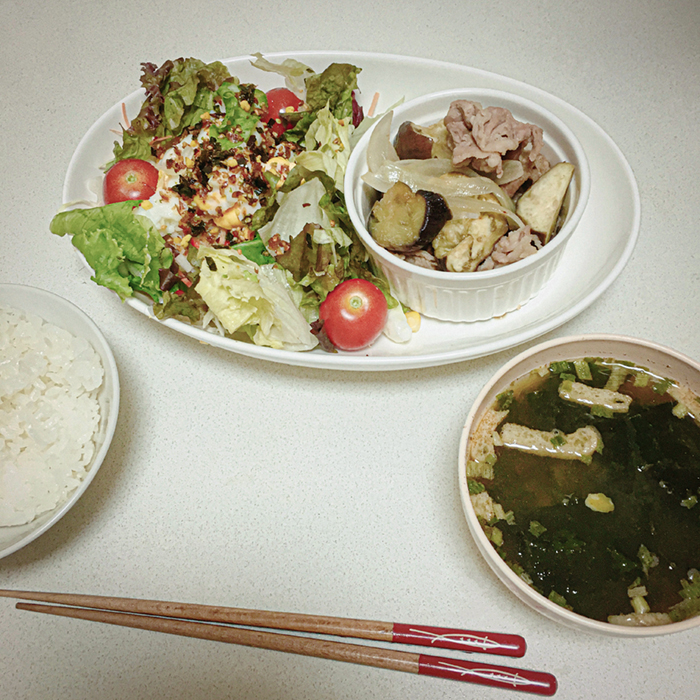
For anyone thinking, “I’d like furikake, but I don’t often eat plain rice” — there is another use for it. As a university student, this author once used furikake in place of salad dressing: a pleasant saltiness with a bit of crunch made for a surprisingly good salad. Family members were startled to learn furikake could be used that way at all.
Later, a television feature on furikake specialty shops showed an overseas visitor saying they wanted to use furikake as a dressing for vegetables — and the memory of that college dinner came rushing back. Watching from the other side of the screen, the reaction was simple: try it, it’s good.
Furikake, in short, is not only for rice. Anyone visiting Japan would do well to find a favorite.
Donburi
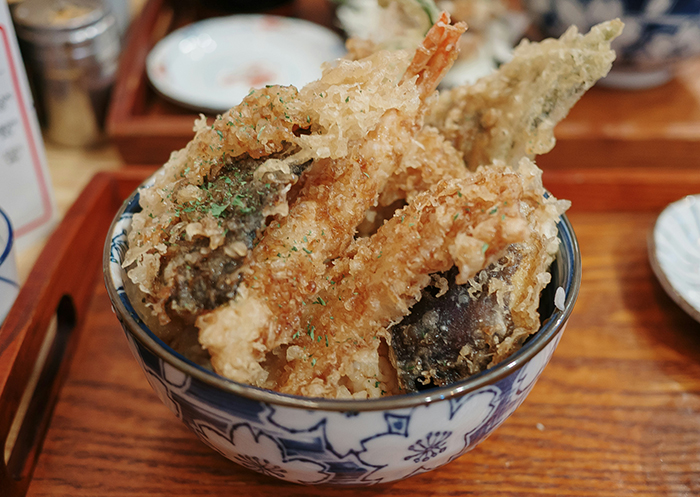
A bowl roughly three times the size of an ordinary rice bowl, filled with rice, a topping, and often a sauce. The category is said to trace back to the Edo period, with grilled eel served over rice — 鰻丼 unadon — as its origin point.
Common types include:
– 天丼 Tendon — tempura, such as shrimp or sweet potato, over rice; the same tempura pairs just as well with soba
– 牛丼 Gyūdon — beef and onion simmered in a savory sauce over rice, now a staple of Japanese fast food
– 親子丼 Oyakodon — chicken and egg simmered in a sweet-savory sauce; the name, “parent and child,” refers to the relationship between the chicken and the egg
– 海鮮丼 Kaisendon — a seafood assortment, such as tuna, salmon, or salmon roe, that varies by shop and by the day’s catch
A hot bowl of rice pairs well with almost any seasoning, which is exactly what makes donburi such a direct showcase of what Japanese rice can do.
Sweets and Drinks Made From Rice
Rice does more than feed a meal. Ground or fermented, it also becomes sweets and drinks with their own long histories.
Dango
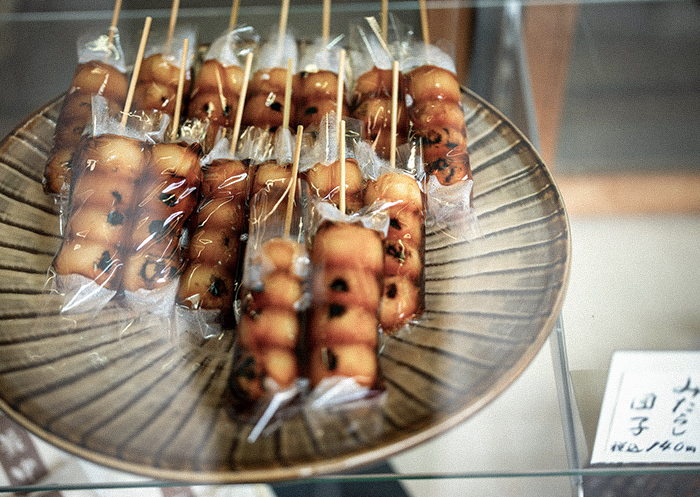
Rice flour kneaded with water, then either boiled or steamed. Flavors range from sweet red bean paste to みたらし mitarashi, a sweet-salty soy glaze. 団子 dango is a fixture of seasonal occasions such as ohanami, and 月見 tsukimi, moon viewing, and typically takes the form of a few rounds skewered on a bamboo stick — 串団子 kushi dango.
The dango that became a social phenomenon. In 1999, a song called “だんご三兄弟 Dango San Kyōdai (The Three Dango Brothers) “aired on the Japanese children’s program おかあさんと一緒 Okāsan to Issho (Together with Mother), its melody playing on the near-rhyme between dango and tango. It became enough of a hit that at least one shop known for selling skewers of four dango is said to have switched to three.
Senbei
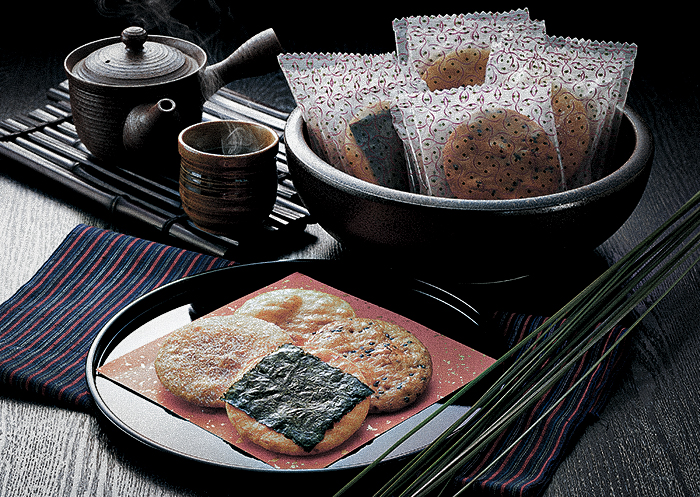
A dough of ground uruchimai flour, flattened and grilled. Countless flavors and textures are sold today, but the traditional version is glazed with soy sauce and sugar. Its dough-making process resembles dango’s — a resemblance that runs deeper than technique, given how the two are said to be connected by origin.
How senbei got its name
In the Meiji era(1868-1912), a woman known as おせん Osen ran a dango shop in Sōka, then a post-station town on the road leaving Edo. One day, as she was about to throw a batch of stale dango into the river, a passing samurai stopped her and suggested she flatten and grill them instead. The grilled, flattened dango were a hit, and became known — “the dango Osen grilled” — as 煎餅 senbei.
Senbei has even made a cameo in global pop culture: a scene in the hit manga and anime Demon Slayer shows the protagonist Tanjiro making senbei with his siblings.
Sake
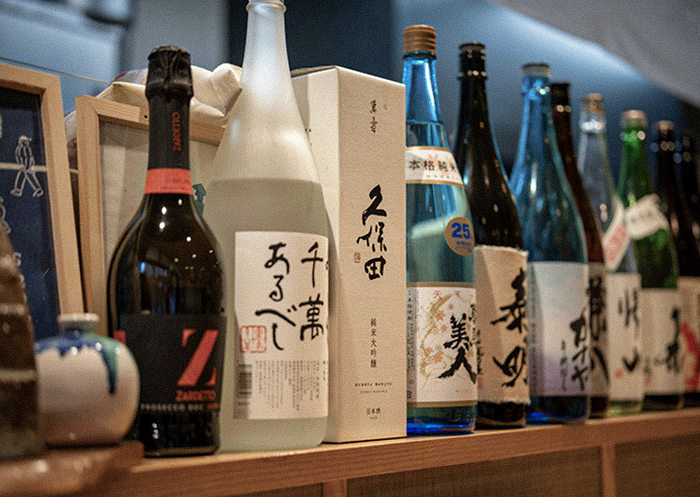
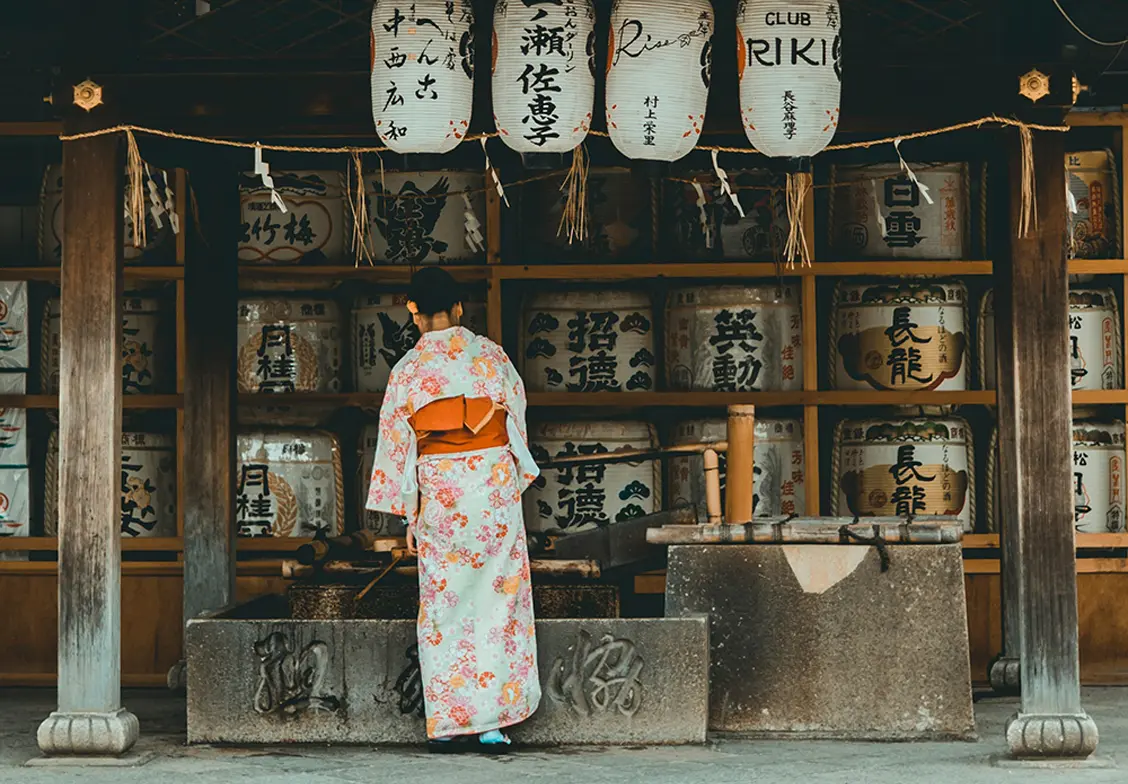
Japan’s traditional rice wine, brewed from rice, rice-kōji, and water. It is made using an age-old technique called 並行複発酵 heikō fukuhakkō, parallel multiple fermentation, in which 糖化 tōka — converting the rice’s starch into sugar — and 発酵 hakkō — converting that sugar into alcohol — happen at the same time. The result suppresses unwanted bacterial growth while producing a notably mellow flavor, and the method is considered rare by world standards.
Several styles of sake exist, but to legally be called 日本酒 nihonshu, a sake must meet two conditions: it must be brewed from rice grown in Japan, and it must be produced within Japan.
The rice sake is made from. Sake uses a distinct variety known as 酒米 sakamai, sake rice. It can be cooked and eaten like ordinary rice, though it is less sticky and plainer in flavor than uruchimai, which suits it to dishes like risotto or fried rice that call for a firmer bite; cooking it with a little extra water brings it closer to the familiar chewy texture. Sakamai is mainly a Japonica strain, but its grains are larger than ordinary eating rice and contain a feature called 心白 shinpaku, a white core, not found in table rice — a trait that is said to make it easier for 麹 kōji to take hold inside the grain.
Rice Flour, a Rising Alternative
米粉 Komeko, rice ground into flour, was once used mainly for sweets like dango. In recent years, driven by concerns over food self-sufficiency and a growing health-consciousness, it has drawn attention as a substitute for wheat flour.
A few things rice flour can make:
– Bread
– Okonomiyaki
– Meatballs, as a binder
– Gratin and stew, as the base for a white sauce
– Cake
This author has eaten both rice-flour cake and rice-flour bread, and found both enjoyable for the gentle sweetness rice brings to them — the bread especially, for a chewy texture that is distinctly rice’s own.
The name for rice flour also changes with the rice used to make it:
Name — Made from
上新粉 jōshinko — Uruchimai
白玉粉 shiratamako — Mochigome —
In Closing: A Grain Still Finding New Forms
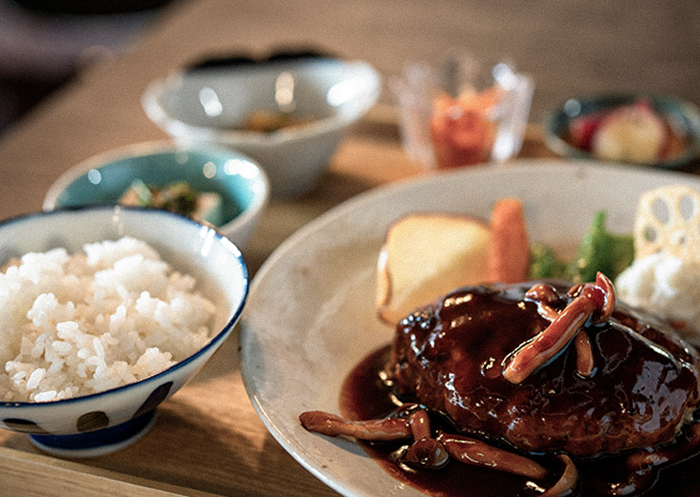
Rice in Japan continues to do more than feed a meal. Whatever the dish beside it — washoku or Western food, meat or fish — a bowl of hot rice tends to fit right in, and that adaptability is a large part of its appeal.
At the same time, other staples are gaining ground even in Japan; more than one acquaintance of this author has said outright that breakfast, for them, means bread. That shift has raised quiet concern about rice slipping out of daily meals, and it is part of why questions of food self-sufficiency have brought new attention back to rice, from individuals and companies alike.
What can be done to keep Japan’s rice culture intact is a question this author found worth sitting with while writing this article. If it has done anything to introduce readers around the world to the food and the culture rice built in Japan, that alone will have been worth it.
KOTO is a journal of Japanese craftsmanship, culture, and the aesthetic sense behind them.
- SHARE
-


( food )