





What Is Bushido? The Samurai Code That Still Shapes How Japan Thinks
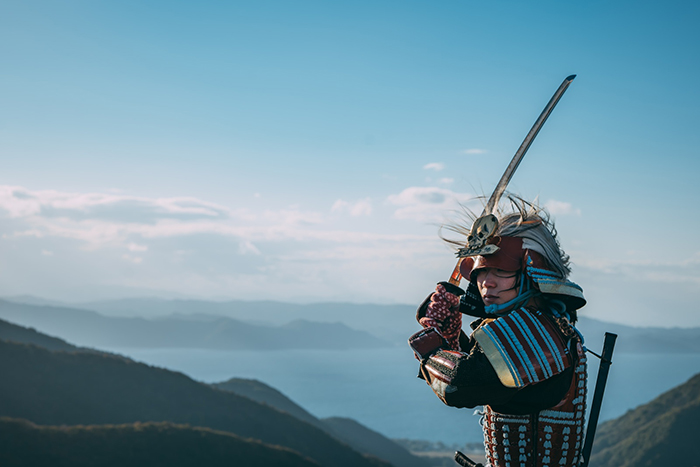
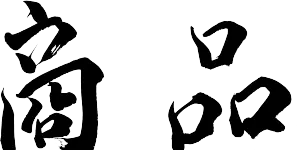
武士道 Bushido. It is a philosophy of life born in Japan, spread by the class of warriors who once ruled it: the 侍 samurai.
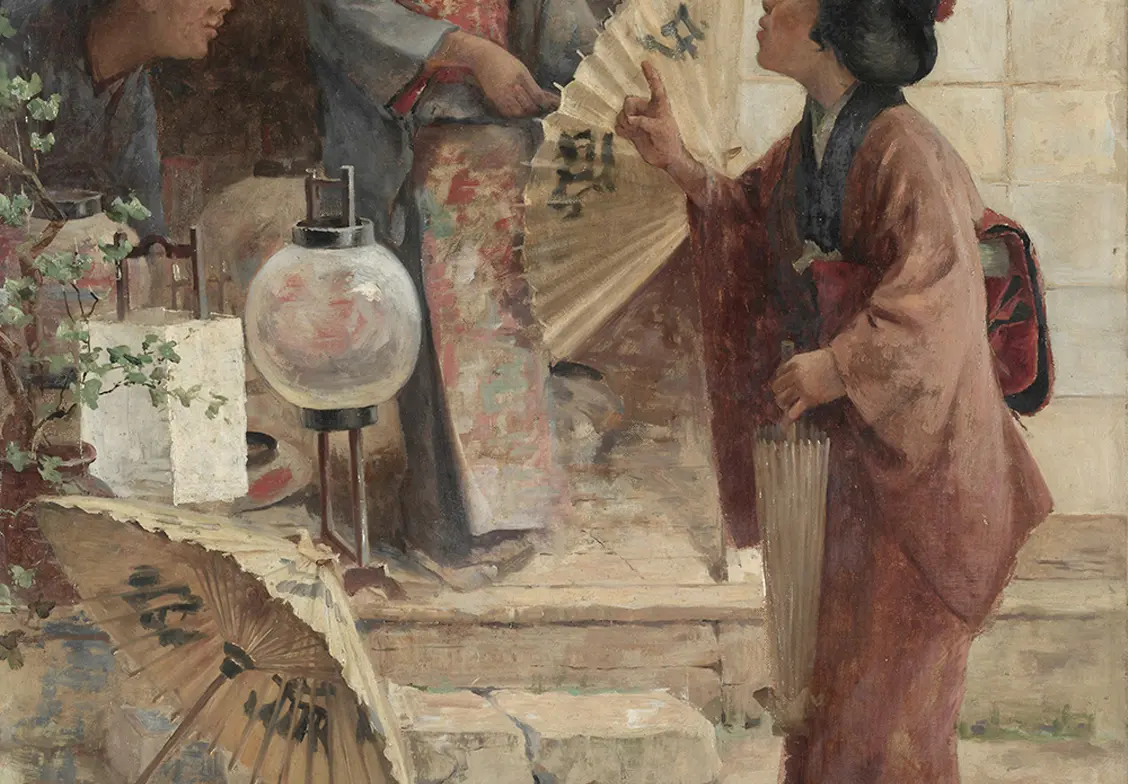
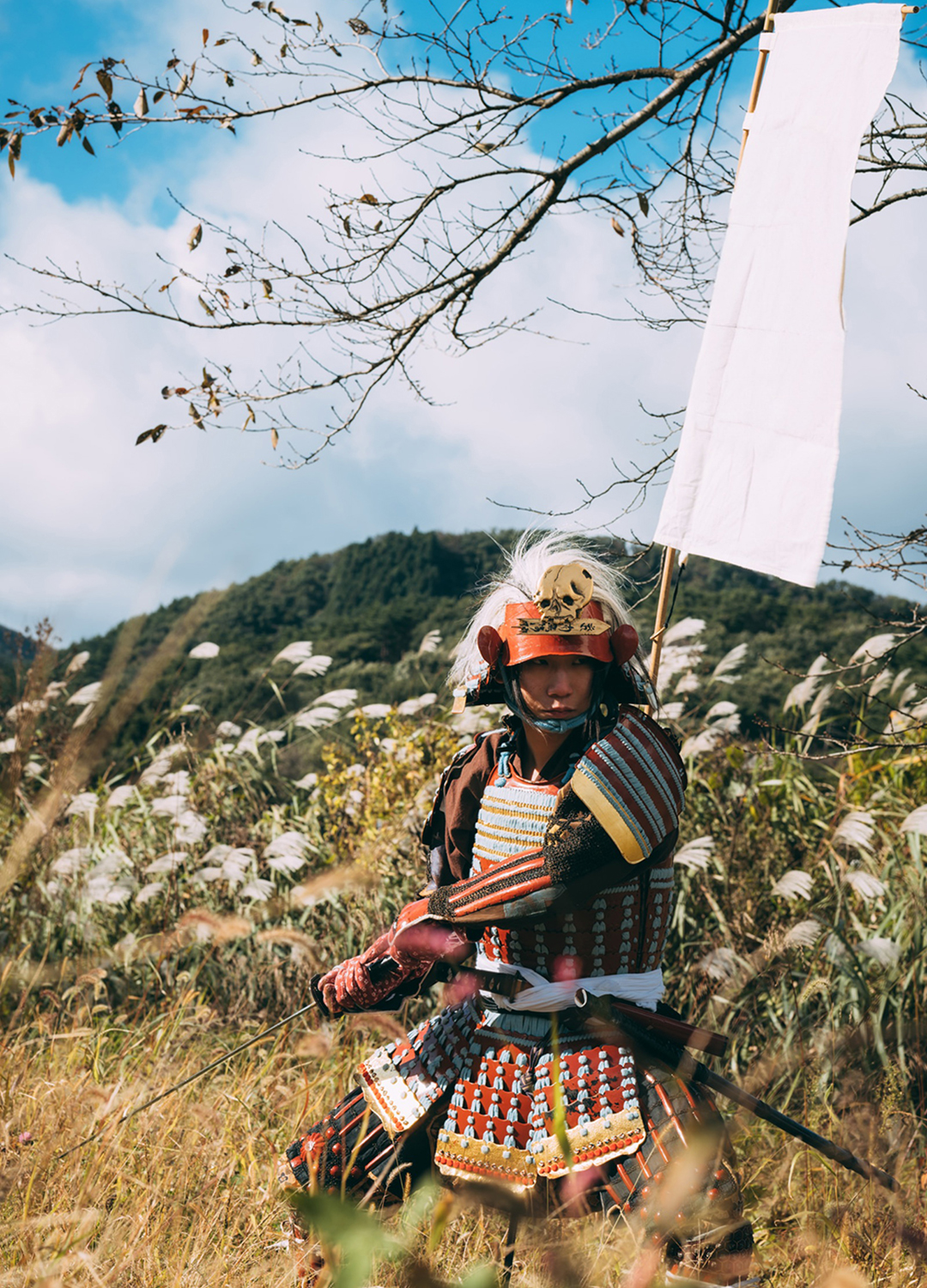
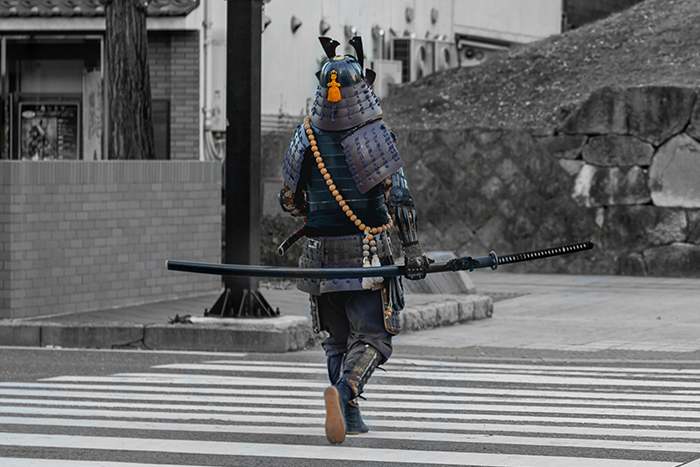
The samurai has own unique icon; their hair were top knitted, clad in hakama and armor, and carried a sword at their waist. They left a mark on Japanese culture and on the Japanese mind that long outlasted their battles.and Their fame crossed oceans, and with it went their code: the word Bushido entered English dictionaries as-is.
So what exactly did this code ask of the samurai? In this article we trace Bushido — the idea that traveled the world — through the history and culture that produced it, and through the lives of the samurai themselves.
What Is Bushido?

Bushido is the body of moral and ethical rules a samurai was expected to live by. Its foundations date to the Kamakura period (1185–1333), when the samurai first rose to power, and it is said to have taken its mature shape under the influence of Confucian thought — in particular the Zhu Xi school — during the Edo period (1603–1868).
At its heart stand what are called the seven virtues.
The Seven Virtues of Bushido
義 Gi — Righteousness — do what is right, not what is convenient
勇 Yu — Courage — the nerve to act on that judgment
仁 Jin — Benevolence — strength owes kindness to the weak
礼 Rei — Respect — courtesy toward every person one faces
誠 Makoto — Sincerity — no falsehood between word and deed
名誉 Meiyo — Honor — live so that you are never ashamed before yourself
忠義 Chugi — Loyalty — absolute devotion to one’s lord
Simply wielding power did not make a samurai. Precisely because he carried power, he was required to follow his conscience and carry out justice without deceit. Absolute loyalty to his lord and compassion for the people in his care were just as essential. Strength alone was never enough: gentleness, dignity, and courtesy completed the warrior.
Hagakure, the Book That Spoke for Bushido
No book is more tied to Bushido than 葉隠 Hagakure, a collection of samurai precepts dictated by Yamamoto Tsunetomo in the mid-Edo period. Its most famous line — “The Way of the Samurai is found in death” — became, for many, the sentence that embodies the code. We return to what it actually means below.
Then, in 1899, the educator and thinker Nitobe Inazo took up Bushido as the root of Japanese morality. His book Bushido: The Soul of Japan — written in English and compared point by point with Western ethics — carried the word around the world.
(The novelist Yukio Mishima, decades later, kept Hagakure as his personal bible.)
Who Were the Samurai, Exactly?
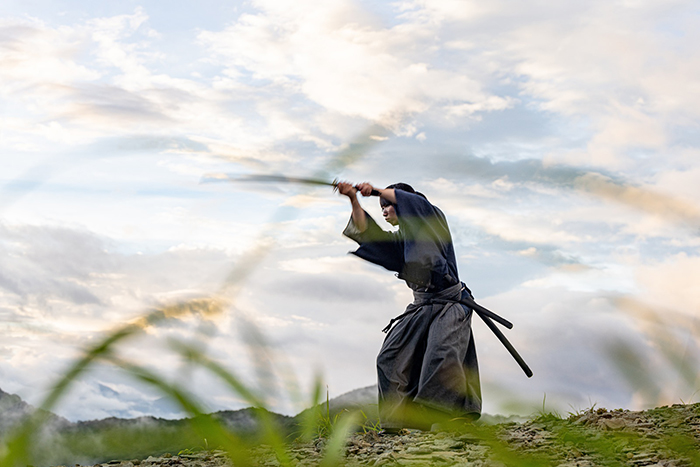
And who were these people who held the code so dear? There is a deeper story here than “men who fought with swords.”
The Definition
A samurai was a man of the ruling warrior class who made martial arts his profession and served a lord or the state — the dominant class of medieval and early-modern Japan, from the Kamakura period to the end of the Edo period.
Where They Came From
Theories differ, but the ancestors of the samurai are generally traced to provincial military families — and, famously, to two clans of imperial descent: the 源氏 Genji and the 平家 Heike Both lines descended from emperors. At the end of the Heian period the two fought for supremacy; the Minamoto won, founded the Kamakura shogunate, and began roughly 700 years of warrior rule.
They are remembered as archrivals — yet both traced their roots to the imperial line. History has a taste for irony.
What a Samurai Actually Did
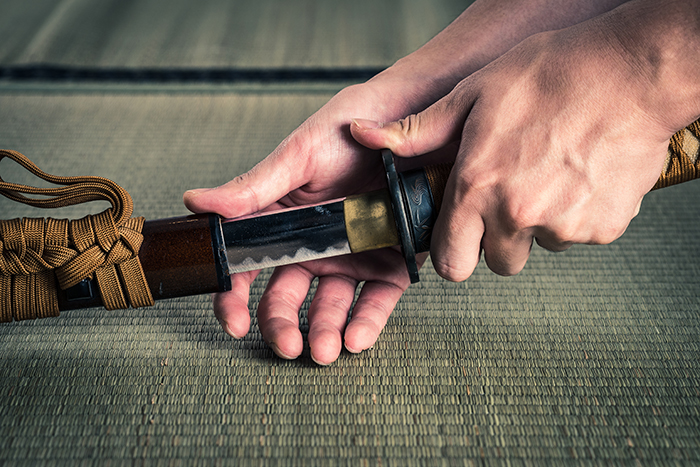
The image is all battlefield, but a samurai’s duties were surprisingly varied — including, in peacetime, a great deal of what we would now call desk work: administration, record-keeping, governing the domain. The job changed with each era; the code did not.
Why Is Bushido So Entangled with Death?
Stories about samurai return, again and again, to the scene of seppuku — a defeated warrior taking his own life before the enemy can take it. Why choose death, when survival might mean another chance?
The answer lies in one of the seven virtues: honor.
Honor, the Virtue That Explains It
Honor, in Bushido, does not mean reputation in others’ eyes. It means answering one question, continually, to oneself: am I living in a way I am not ashamed of?
In the wars of the samurai era, a defeated commander was not merely killed. Capture ended in execution and public display of the head — as happened to Ishida Mitsunari, who fought 徳川 家康 Tokugawa Ieyasu, and centuries later to Kondo Isami, commander of the Shinsengumi. To be taken alive and paraded was, for a samurai, the deepest disgrace. Worse: the punishment often did not stop with the commander. Heirs, family, retainers could follow him to the grave.
Seen from inside that world, seppuku was a grim exchange: the commander acknowledged defeat, took responsibility with his own life — and bought the lives of his family and his men. Dying before falling into enemy hands protected the two things a samurai could not surrender: his people and his name.
A Modern Echo: Roronoa Zoro
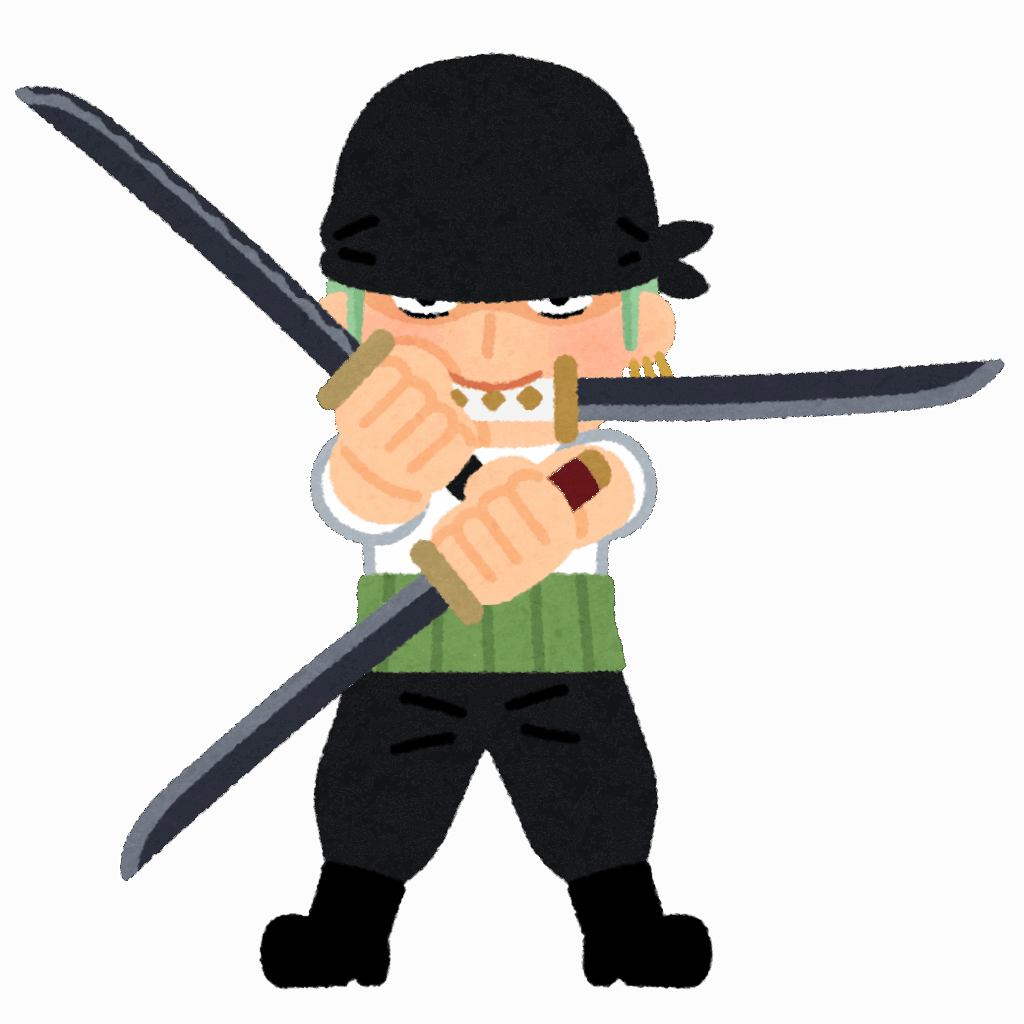
Readers of the manga One Piece already know a character built on this code: the swordsman Roronoa Zoro, who once refused to turn his back in a duel he could not win — scars on the back are a swordsman’s shame — and took the blade across his chest instead. His rival honored the spirit of it. Among the Straw Hat crew he is the most bound by duty and loyalty; another character even nicknames him “Mr. Bushido.” The code survives in unexpected places.
“The Way of the Samurai Is Found in Death”
Which brings us back to the Hagakure and its notorious line. Read in full, it is not a celebration of dying. Yamamoto Tsunetomo packs at least four meanings into it:
1. When forced to choose between life and death — that is, between the easy path and the hard one — choose the hard one without hesitation.
2. Acting as if your life depended on it draws out your utmost.
3. Keeping death in view teaches the value of life, and how to truly live.
4. Live prepared, so that those around you are not left helpless whenever you go.
The point is to hold death in mind in order to fulfill the duties in front of you — Tsunetomo himself adds that he is quite fond of living. The line warns against a wasted life, not in favor of a discarded one.
The Samurai Vanished. Bushido Didn’t.
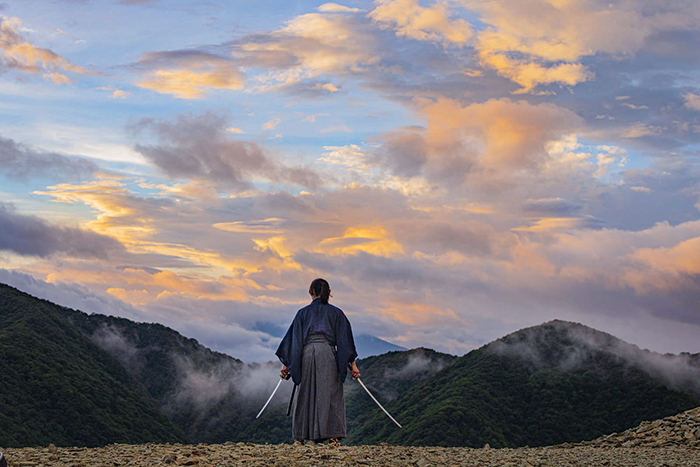
There are no samurai in Japan today — and yet the code runs on, generation to generation. Here is how that happened.
How the Samurai Disappeared
The return of power to the Emperor in 1867 (大政奉還 Taisei Hokan) ended roughly 700 years of samurai government. Under the new Meiji state the samurai became 士族 shizoku — a paper aristocracy. The 廃刀令 Haitorei, sword abolishment edict took away their blades; Western fashion took the topknot. The remnants of the class were formally erased by the postwar Constitution of 1947.
Why the Code Survived
The abolition of the warrior class and the rush to Westernize provoked real rebellion from former samurai. The Meiji government pressed on anyway, driven by one idea: 富国強兵 fukoku kyohei, “enrich the country, strengthen the military.” Faced with the West’s technology and unequal treaties, Japan chose rapid modernization to survive as a nation — not to discard its own culture, but to protect it.
And Bushido, alone among the trappings of the warrior class, was deliberately kept: recast after the Meiji Restoration as a national morality, a standard of conduct for every citizen. The warriors could vanish; their way of living, someone decided, should not.
Bushido Now
Today the samurai live on in what the world calls Cool Japan: period dramas, films, manga, anime. From taiga dramas to global hits, the samurai-coded characters that audiences love share one trait — a life lived so cleanly it is almost painful to watch. The roles changed era by era; the spirit, somehow, never did.
In Closing: A Code the Present Still Needs
Face the people and the work that matter to you with sincerity. Value courtesy. Live so that you are not ashamed before yourself. These are Bushido’s answers, and they have quietly shaped Japanese values for a century and a half.
Modern life rewards speed and measurable results. But strip out sincerity — toward your own heart, toward the people you deal with — and efficiency hollows out fast. In a restless age, Bushido keeps asking the old question: what does it mean to live well as a human being?
It is a question worth carrying into tomorrow’s work.
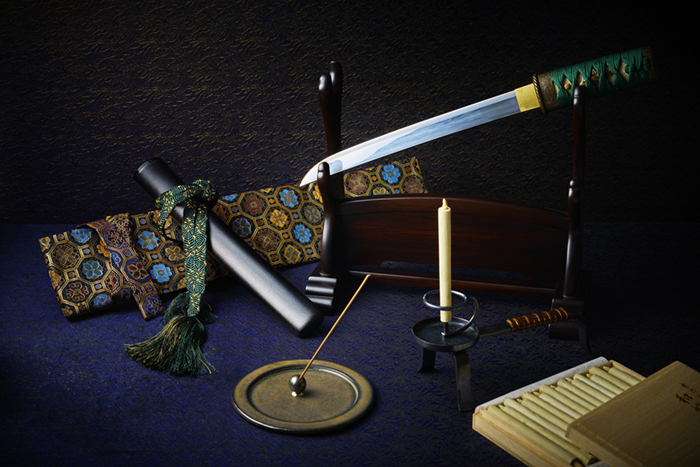
KOTO offers pieces made for those who wish to keep the samurai’s discipline within reach — a Japanese sword and a hand-made candle, produced to order by craftsmen working in traditions two thousand years old. Because each is made individually, no two are ever the same.
- SHARE
-


( philosophy )