







The Shinto Calendar: How Ritual Marks Every Season in Japan
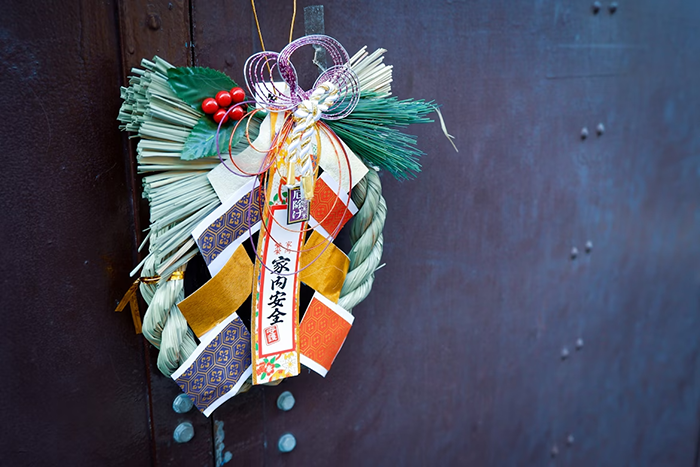
Across Japan, the calendar year is marked by a recurring sequence of observances — 年中行事 nenchu gyoji, annual events, and the しきたり shikitari, or customs, that surround them.
Most trace back to Shinto or Buddhism, and carry meaning: a prayer for a good harvest, a rite to drive off misfortune, a gesture of thanks to one’s ancestors. None of this belongs only to the past. These observances have carried into the present, and they remain woven into how people in Japan live.
Rituals That Follow the Four Seasons
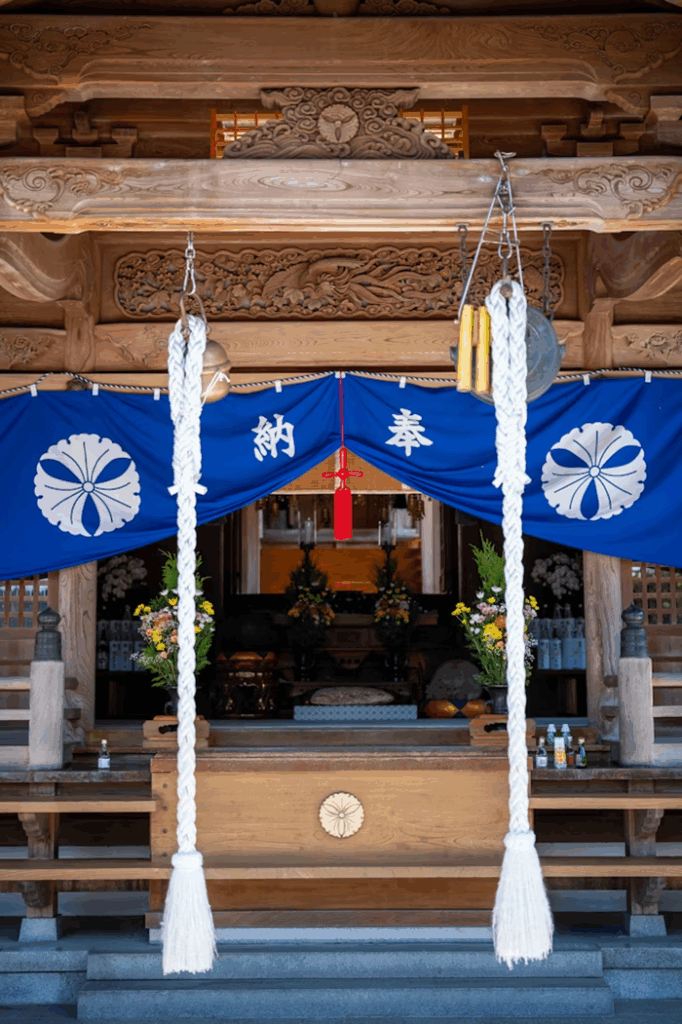
Shinto 神事 shinji — sacred rites — are bound up closely with a particular disposition: the care Japanese culture places on nature and on the turning of the seasons. The prayers performed at each point in the year continue, even now, to be understood as a form of protection carried forward across the year.
Welcoming the New Year
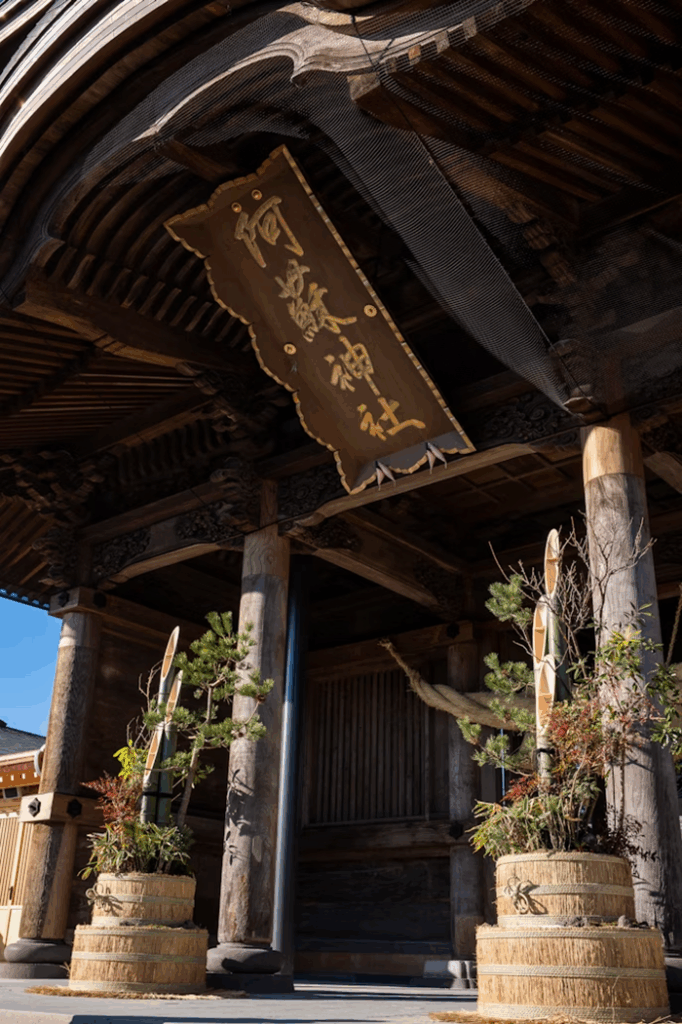
正月 Shogatsu, the New Year, opens the year with the greatest concentration of ritual.
The Emperor performs 四方拝 Shihohai, a rite of prayer for the peace of the coming year. Households set out 門松 kadomatsu, pine-and-bamboo decorations, to welcome the 年神 toshigami — the deity of the incoming year — into the home. People make 初詣 hatsumode, the year’s first visit to a shrine. And households perform 鏡開き kagami-biraki, breaking open the round rice cake that had been offered to the toshigami.
Each of these gestures gives thanks that the old year passed without incident, and asks for good health and the prosperity of the family in the year ahead.
On January 15, a further observance follows: 小正月 Koshogatsu, the “Little New Year.” It carries prayers for a good harvest in agriculture and for safety within the household — a continuation, in a quieter register, of the New Year’s opening prayers.
Prayers Woven Into Spring
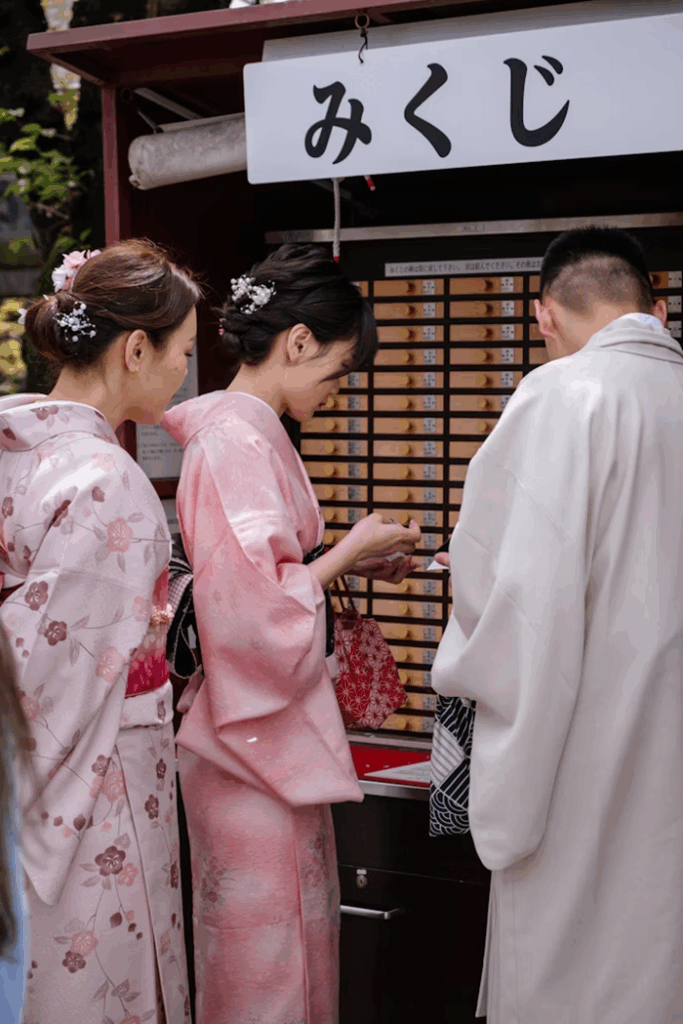
As spring arrives, 節分 Setsubun is observed to drive off misfortune, and 雛祭り Hinamatsuri, the Doll Festival, carries prayers for the healthy growth of children.
At the spring equinox, when the length of day and night come into balance, お彼岸 Ohigan is observed — a period set aside to make offerings to one’s ancestors.
Prayers That Color the Summer
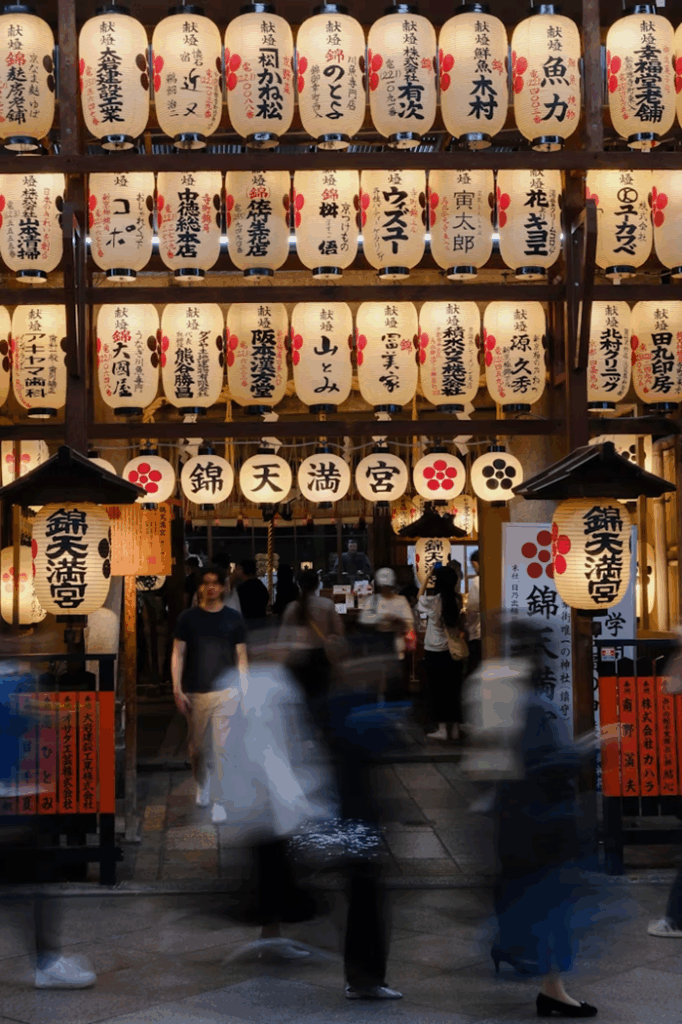
In 水無月 Minazuki, the traditional name for the sixth month, 大祓 Oharae is performed — a rite of purification that clears away half a year’s accumulated impurity and wrongdoing. In 文月 Fumizuki, the seventh month, 七夕 Tanabata is observed, when wishes are addressed to the stars.
Summer also brings お盆 Obon, when the spirits of one’s ancestors are welcomed back and honored with memorial rites. A 迎え火 mukaebi, or welcoming fire, is lit to call the ancestors home, and a 送り火 okuribi, a send-off fire, sees them on their way again. The custom captures something central to how people in Japan relate to family and to the dead: a felt connection that is kept alive, deliberately, across generations.
Prayers That Ripen in Autumn
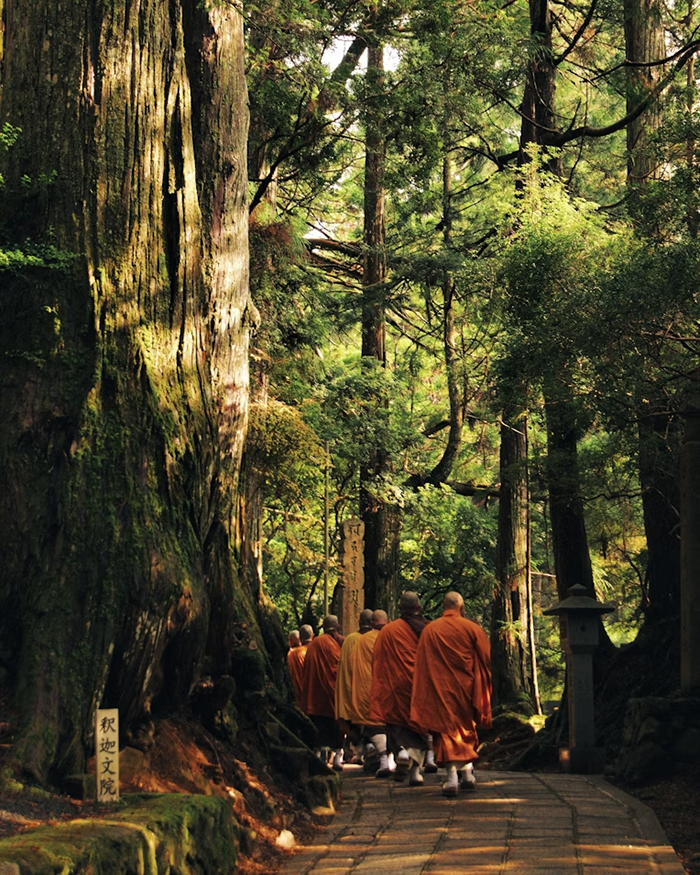
Autumn is the season of harvest. Across the country, 収穫祭 shukakusai, harvest festivals, are held to give thanks and to pray for 五穀豊穣 gokoku hojo — the abundant harvest of the five grains.
At the autumn equinox, お彼岸 is observed again, as it was in spring, as a further occasion to express gratitude toward one’s ancestors.
Shinto Woven Into Daily Life
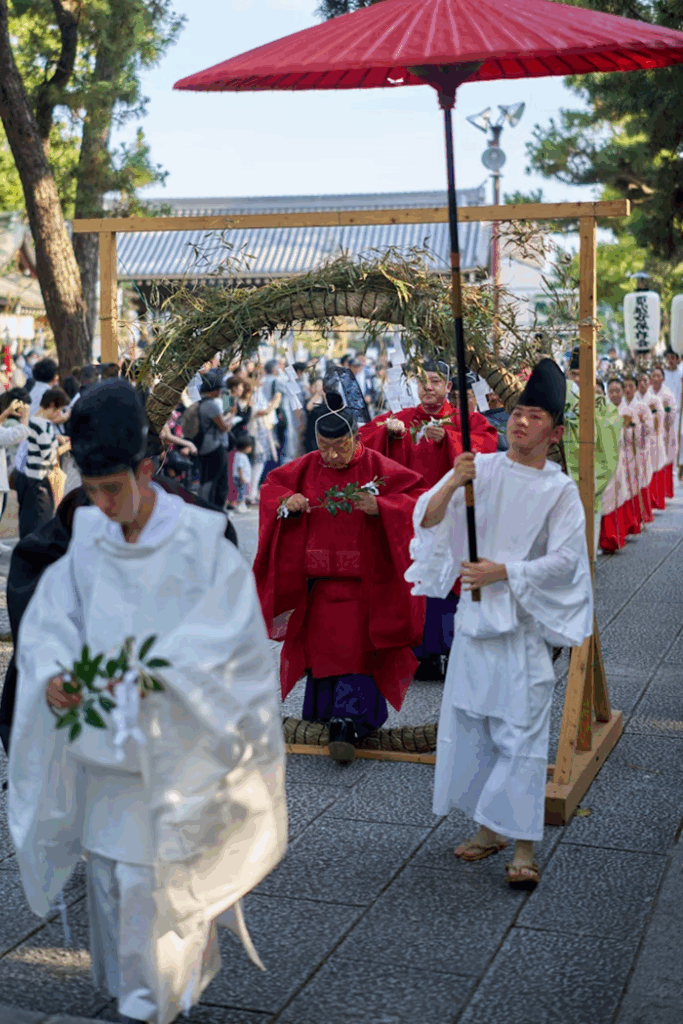
Shinto ritual is not confined to the annual calendar. It also runs through the milestones of ordinary life.
When a house is built, 地鎮祭 jichinsai, a ground-purification rite, is performed to pray to the god of the land for safety. When the frame is raised, 上棟式 jotoshiki, a ridge-raising ceremony, follows. And before the household moves into the finished house, 竣工祭 shunkosai, a completion rite, is performed, praying for the safety and prosperity of the people who will live there.
In farming communities, rites tied to rice planting and to the harvest are held to pray for abundance. In coastal regions, rites praying for a good catch — 大漁 tairyo — continue as well. None of these are mere habit. They are a way of putting into form a felt sense of gratitude for living by the grace of nature.
The Gratitude at the Root of It All
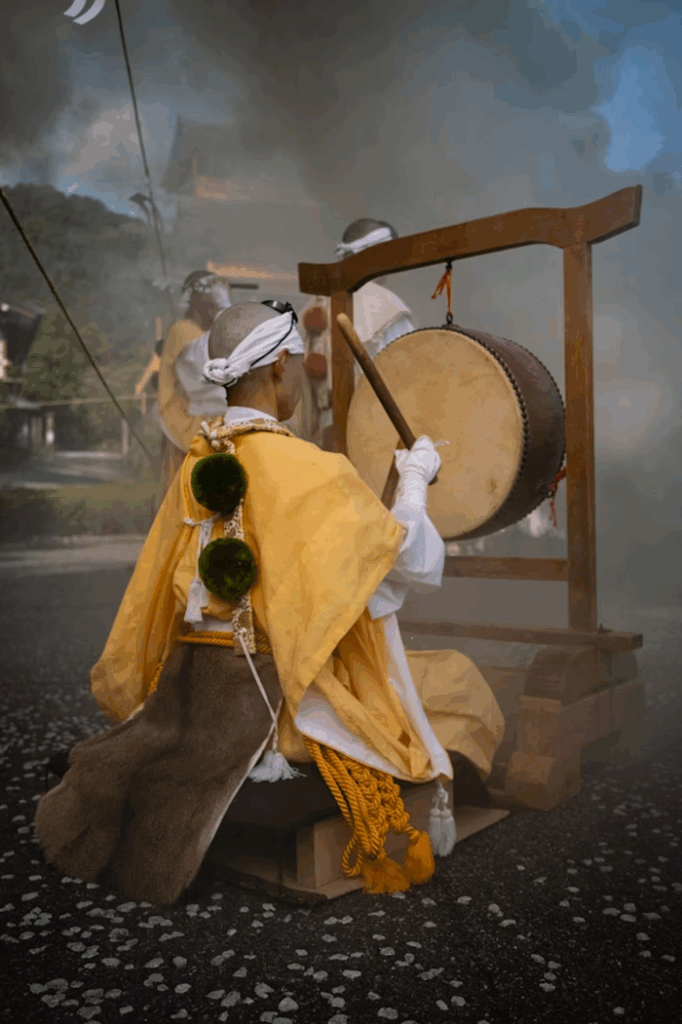
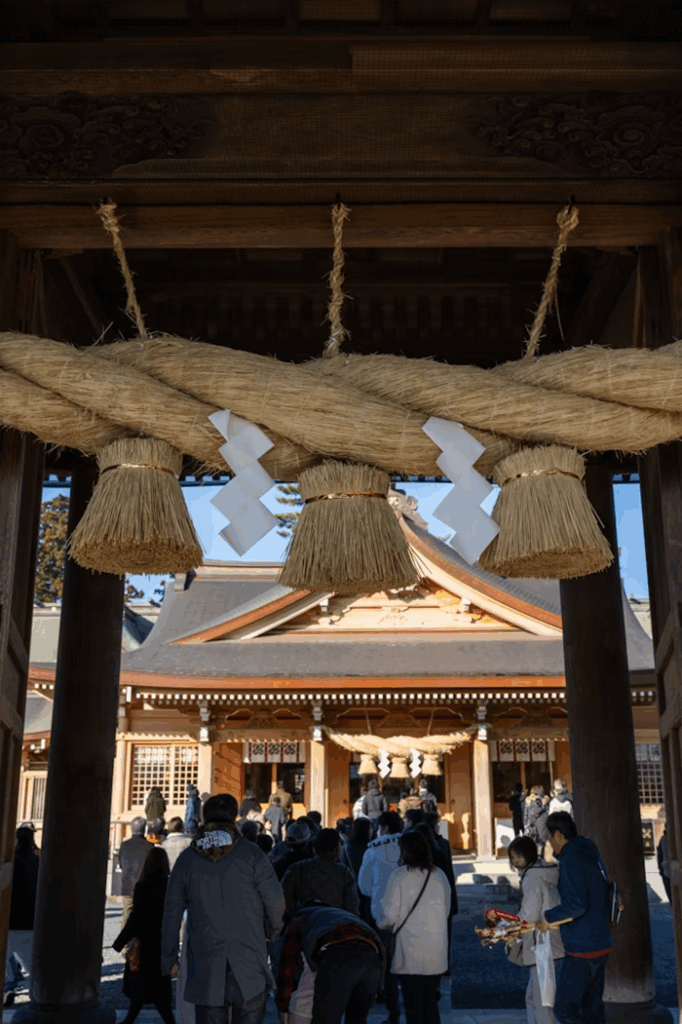
At the foundation of Shinto ritual sits a single disposition: gratitude. Gratitude for the start of a new year. Gratitude that no disaster has struck. Gratitude for the health of one’s children and family. Gratitude toward one’s ancestors.
Every Japanese observance, in its own way, holds onto that feeling of thanks, and carries a prayer toward what cannot be seen.
Viewed from outside Japan, these rites can look purely formal — a sequence of gestures without content. But each one carries meaning, and the people who perform them have lived, generation after generation, conscious of their connection to nature and to those who came before them.
Close to daily life rather than set apart from it, these rituals continue to support how people in Japan live, and to give shape to the mind that keeps returning to gratitude.
KOTO is a journal of Japanese craftsmanship, culture, and the aesthetic sense behind them.
- SHARE
-


( philosophy )