






The Old Japanese Month Names: What Mutsuki, Satsuki, Minazuki, and All 12 Wafugetsumei Mean
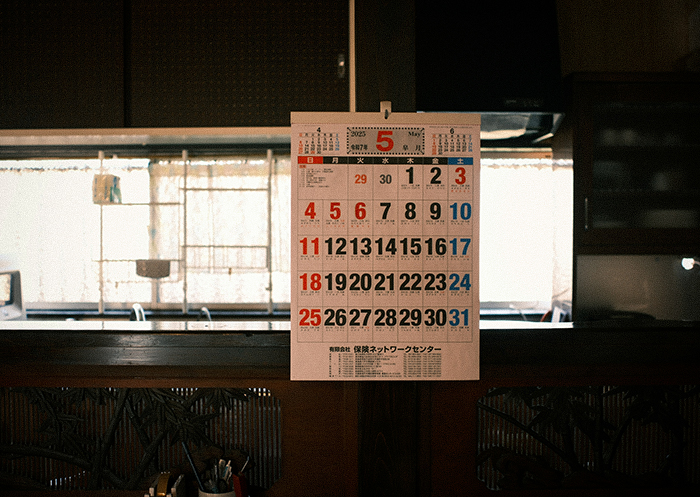

Japan today numbers its months the way most of the world does: January, February, March. But that numbering is a relatively recent habit. For centuries, Japan kept time by a lunar calendar, 太陰暦 taiinreki, built around the movements of the moon rather than the sun, and each month under that system carried its own name rather than a number.
Those names are called 和風月名 wafugetsumei — literally “Japanese-style month names.” They were not chosen at random. Each one is drawn from the scenery, weather, or annual events particular to that point in the year, which means that behind every name sits a small piece of the country’s relationship with its seasons.
The lunar calendar itself runs one to two months behind the solar calendar in use today, so a name coined for a lunar month does not always match the modern month sharing its number in an obvious way. Even so, the seasonal image each name points to still holds. Once the offset is understood, the logic behind each name becomes easy to picture.
This author’s grandmother is where many of these came from — the wordplay in particular, further down this page. What follows is the full set: what each of the twelve names means, where it comes from, and three pieces of calendar-related wordplay still passed down in Japan today. As with most etymologies this old, more than one explanation survives for several of the names; where that is the case, both are given here rather than one being presented as settled fact.
There is a companion article on the lunar calendar itself, 太陰暦について, for readers who want the mechanics behind how it was calculated.
The Twelve Wafugetsumei at a Glance
– Month 1 (January): 睦月 Mutsuki — month of closeness
– Month 2 (February): 如月 Kisaragi — month of layering on more clothing
– Month 3 (March): 弥生 Yayoi — month plants grow ever more thickly
– Month 4 (April): 卯月 Uzuki — month of the u no hana flower
– Month 5 (May): 皐月 Satsuki — month of planting the young rice shoots
– Month 6 (June): 水無月 Minazuki — month of water (for the rice paddies)
– Month 7 (July): 文月 Fumizuki — month of writing / of ripening rice ears
– Month 8 (August): 葉月 Hazuki — month the leaves begin to fall
– Month 9 (September): 長月 Nagatsuki — month of the lengthening nights
– Month 10 (October): 神無月 Kannazuki — month of the gods (or: the gods’ month away)
– Month 11 (November): 霜月 Shimotsuki — month the frost sets in
– Month 12 (December): 師走 Shiwasu — month even a teacher runs
Month by Month
睦月 Mutsuki — Month of Closeness (Month 1 / January)
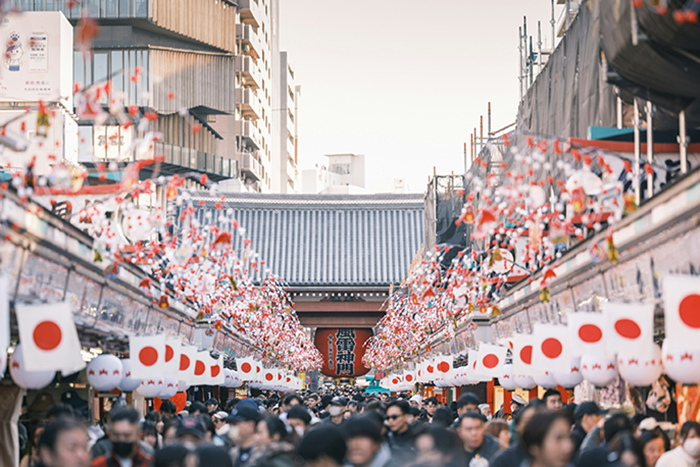
In Japan, New Year is traditionally a time when family and relatives gather under one roof to welcome the year together. The word for the warmth and closeness of that kind of time spent together is 睦び mutsubi, and Mutsuki is thought to come directly from it.
How the New Year is spent varies by household. As a child, this author’s own family would travel to the grandparents’ home in the greater Tokyo area, go shopping at a large mall unlike anything near home, and make the customary trip to the National Museum of Nature and Science in Ueno, Tokyo. Time spent close to grandparents seen only rarely the rest of the year has stayed, in memory, close to a kind of treasure.
如月 Kisaragi — Month of Layering On More Clothing (Month 2 / February)

The name was originally written 衣更着 — “clothes,” “further,” “wear” — describing the scene of layering more clothing on against lingering cold. The kanji used today, 如月, were borrowed instead from a Chinese name for the second month, read nyogetsu or jogetsu, in which the character 如 carries the sense of plants stretching toward spring and living things beginning to stir.
February in Japan is still deep in cold. But it is also the month of risshun, the traditional first day of spring on the old calendar, after which the approach of the season becomes gradually easier to feel — which makes both explanations, read together, fit the month well.
弥生 Yayoi — Month Plants Grow Ever More Thickly (Month 3 / March)

Yayoi comes from the phrase 草木弥生い茂る kusaki yayoi shigeru — “plants and trees grow ever more abundant.” The character 弥 carries the sense of “increasingly” or “more and more.”
The old calendar’s third month falls, in modern terms, somewhere from late March to early May, which makes the image of greenery thickening and spreading an easy one to picture. It is a season this author associates with warm, glittering light filtering through new leaves — the kind of light that lifts the spirit simply to look at.
卯月 Uzuki — Month of the U no Hana Flower (Month 4 / April)
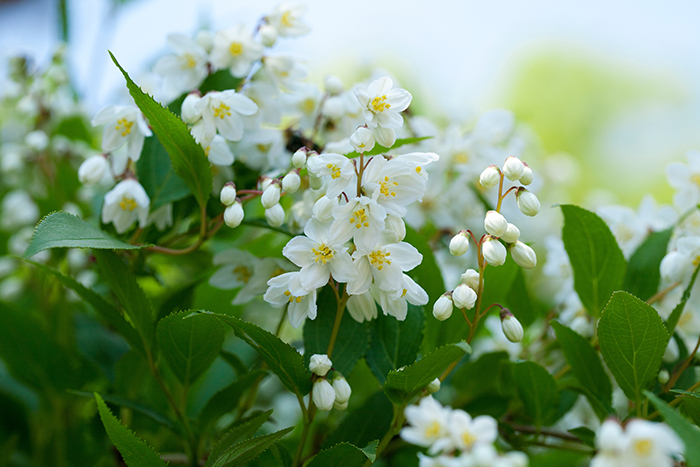
The name comes from 卯の花 u no hana, the white flowers that bloom in early summer on a shrub called 空木 utsugi — read uzuki.
The same small, pale, delicate flower also lent its name to okara, the soy pulp left over from making tofu, which is sometimes called u no hana for its resemblance to the blossom. Simmered, or worked into cookies, it is worth trying either way.
A second theory holds that Uzuki began instead as 植月 uzuki — “planting month” — for the rice-planting season that starts around this time, and shifted over time to the current spelling.
皐月 Satsuki — Month of Planting the Young Rice Shoots (Month 5 / May)
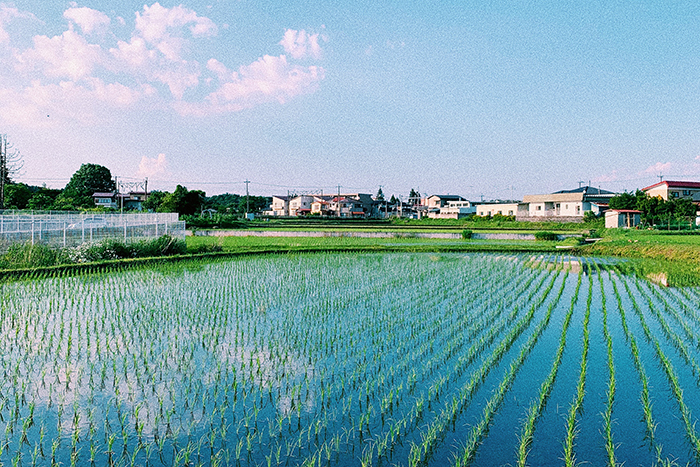
Satsuki is named for 早苗 sanae, the young rice seedlings planted in the paddies during this month, and the name is sometimes written 早月 as well. The character 皐 itself carries the sense of rice offered up to the deity of the rice paddies.
In ancient Japan, rice was not only food; it was also what ordinary people paid as tax to local officials. Praying for a good harvest was, in a very literal sense, inseparable from daily life.
The Studio Ghibli film My Neighbor Totoro gives two sisters the names Satsuki and Mei, and both are said to trace back to the month of May — Satsuki from the wafugetsumei itself, Mei from the English word “May.” A number of other characters share the name Satsuki as well.
水無月 Minazuki — Month of Water (Month 6 / June)
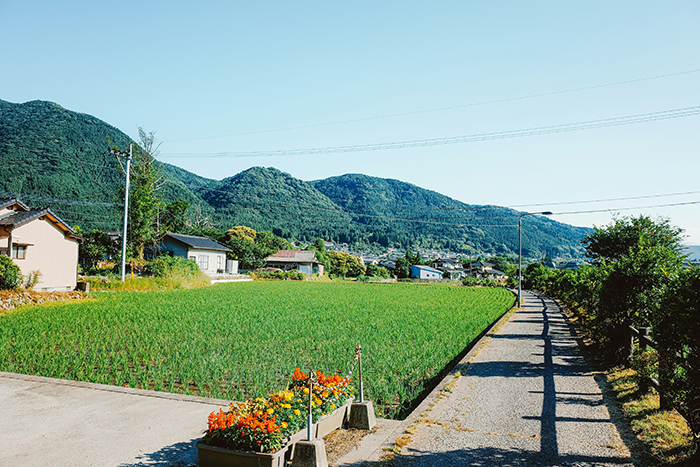
The most widely held theory reads Minazuki as “the month of drawing water into the rice paddies.” The character 無, usually “without” or “nonexistent,” is doing different work here: it functions as the possessive particle no, so the name reads as 水の月, “month of water,” rather than “month without water.”
A second theory reads it the other way. Because June, under the solar calendar, sits just after the rainy season ends and summer begins, some hold that the name really does mean 水(雨)が無い月 — “the month without water (rain).” Both explanations remain current.
文月 Fumizuki — Month of Writing, or of Ripening Rice (Month 7 / July)
Fumizuki has more than one accepted origin.
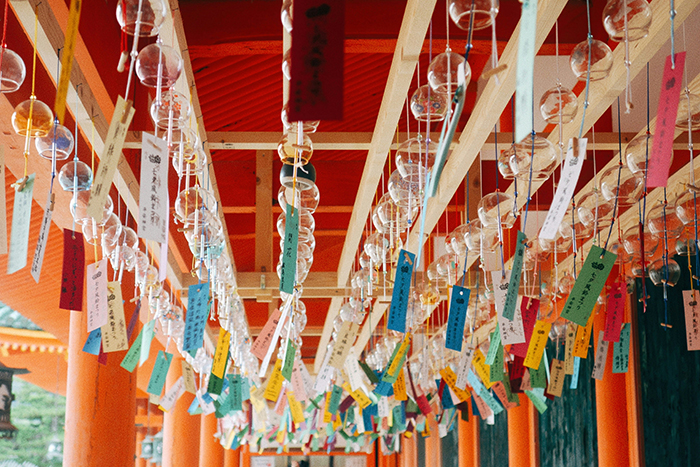
The first ties it to Tanabata, the star festival held every July 7th, during which people write poems and wishes on strips of paper and air out books and scrolls in the evening breeze. The custom of “opening writings,” 文被く月 fumihiraki-zuki, is said to have shortened over time to Fumizuki.
The second points instead to the rice fields: as the ears of rice begin to swell with grain, the month was called 穂含月 hofumizuki, which is thought to have shifted into Fumizuki as well.
Tanabata is still marked with festivals across Japan today, and there is something appealing in a name that reaches, for its origin, not toward the stars behind the festival’s legend but toward the very human act of writing.
葉月 Hazuki — Month the Leaves Begin to Fall (Month 8 / August)

The name is a shortened form of 葉落ち月 ha-ochi-zuki — “month the leaves fall” — as autumn deepens and the trees begin to shed their leaves.
Modern August sits at the height of summer, with greenery still at its deepest, which can make the name feel out of step at first. But the old calendar’s eighth month corresponds to roughly September through early October under the solar calendar in use today — a period when leaves really do begin to turn and fall, which brings the name back into focus.
A few further theories are also attached to the name: 穂張り月 hoharizuki, “month the rice ears swell,” and 初雁月 hatsukanzuki or 初来月 hatsukizuki, both referring to the first geese arriving for the season.
長月 Nagatsuki — Month of the Lengthening Nights (Month 9 / September)

As the year moves toward the winter solstice, days shorten and nights stretch out, and the month was known as 夜長月 yonagazuki — “month of long nights” — a name that is thought to have shortened into Nagatsuki.
This is the season Japan calls aki no yonaga, “the long nights of autumn,” traditionally given over to reading, study, listening to music, or a long, relaxing bath — quiet pursuits suited to the season’s stillness, and to time turned toward one’s own growth.
A second theory ties the name instead to 長雨 nagame, the long rains that arrive with the autumn rain front moving across the Japanese archipelago, giving 長雨月 nagamezuki, which is thought to have shifted into Nagatsuki as well.
神無月 Kannazuki — Month of the Gods (Month 10 / October)
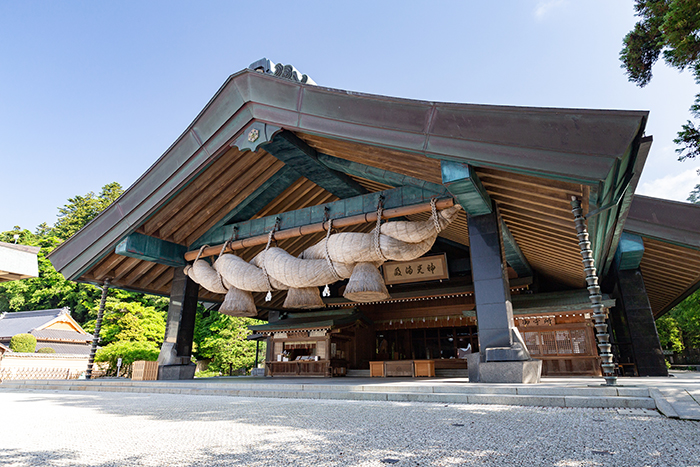
Each year around this time, the countless kami of Japan’s Shinto tradition — traditionally spoken of as 八百万の神 yaoyorozu no kami, “the eight million gods” — are said to gather at Izumo Taisha, the grand shrine in Shimane Prefecture. Two explanations for the name grow out of that belief.
The first reads 無 once again as the possessive particle no, the same reading found in Minazuki, which would make the name “the gods’ month,” 神の月.
The second reads the character at face value: with the gods traveling to Izumo, every other region of Japan is, for the time being, left without them — 神が無い月, “the month without gods.”
Of the twelve wafugetsumei, October is the only one tied directly to the gods rather than to the natural world. That a place was made for the divine, alongside the seasons, in naming a calendar month says something about the sensibility of the people who built it. Readers curious about Shinto’s place in everyday Japanese life, or about the treasures long associated with the imperial line, will find that context covered in this site’s companion articles on those subjects.
霜月 Shimotsuki — Month the Frost Sets In (Month 11 / November)

The name comes directly from the season: the cold deepens, and frost begins to form.
This author still remembers, as a child, the enduring cold made bearable by the pleasure of walking to school crunching over frost columns pushed up from the ground — the feel underfoot, and the sound, addictive every time.
This is also, traditionally, the season of 新嘗祭 Niiname-sai, the rite in which the Emperor offers the year’s new rice to the gods. A second theory for the name traces it to that harvest report — 食物 oshimono, offerings of food, giving 食物月 oshimonotsuki, “month of food offerings,” which is thought to have shifted into Shimotsuki over time.
師走 Shiwasu — Month Even a Teacher Runs (Month 12 / December)
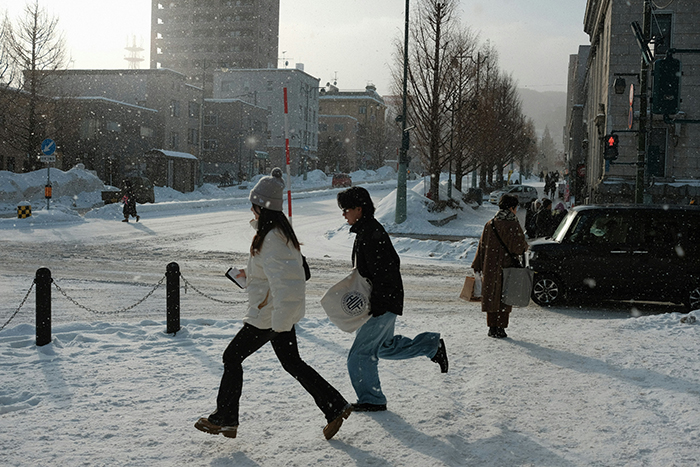
The name comes from the idea that this is a season busy enough to send even a 師 shi — a teacher, or a priest — running (走 hashiru). Even today, the month is packed with the year-end cleaning, preparing of year-end gifts, and writing of New Year’s cards that the name implies.
For people in salaried work, this is also when nenmatsu chosei, the year-end tax adjustment, comes due, along with the paperwork it requires. This author, working outside that system, instead spends the early months of the following year — January through March — running through kakutei shinkoku, the annual tax return most self-employed people in Japan file for themselves. Getting an early start next year remains, every year, the plan.
Wordplay Built Around the Calendar
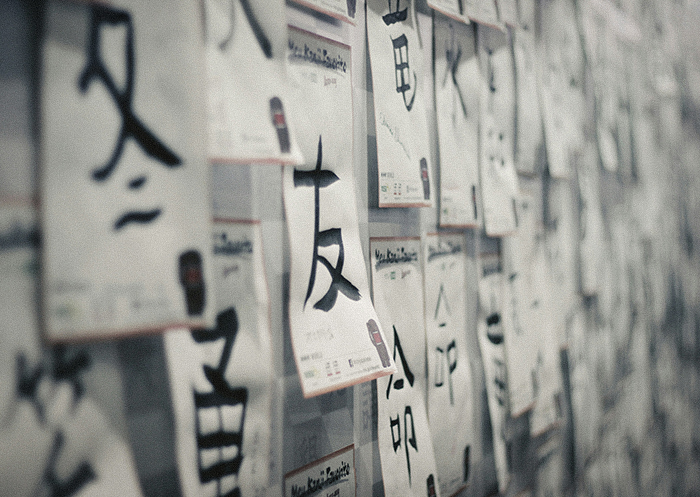
Japanese has also produced a handful of wordplay built on the calendar itself. Three of the best known follow.
“January Goes, February Flees, March Departs”
1月は「行く」、2月は「逃げる」、3月は「去る」 — Ichigatsu wa iku, nigatsu wa nigeru, sangatsu wa saru — is a saying about how quickly time passes, especially across the first three months of the year. Each month is paired with a verb of leaving: January “goes,” February “flees,” March “departs,” the sound of each verb echoing off the month’s own number.
The pairing of numbers and sounds is sharp enough that this author, hearing it from a grandmother for the first time, could only answer with an admiring “well put.” As a child, time in the classroom dragged, one eye always on the clock waiting for lunch. Once work began, it flipped entirely — a sense of “wasn’t it just the start of the month?” arriving again and again at month’s end. Different eras, different lives, and the same surprise at how fast time moves seems to be a constant regardless.
西向く侍 — “The Samurai Facing West”

西向く侍 nishi muku samurai is a mnemonic for the months that do not end on the 31st: February, April, June, September, and November.
The trick works like this. Write those five months as kanji numerals: 二、四、六、九、十一. Stack the numeral for eleven, 十一, vertically, and it forms the character 士. Read that character alongside its reading of “shi,” and the same character can also be read as 侍, “samurai.” Line the remaining readings up — 二 ni, 四 shi, 六 mu, 九 ku — and, with 士 read as “samurai,” the whole sequence reads nishi-mu-ku-samurai: “the samurai facing west.”
神在月 — “The Month the Gods Are Present”
The wafugetsumei for October, as covered above, is 神無月 Kannazuki. In the Izumo region of Shimane Prefecture, however, a different name is used for the same month: 神在月 Kamiaridzuki, since this is the region the gods are believed to travel to, rather than away from.
The opposite of 無, “absent,” would normally be written with 有, “present” — which makes 神有月 the spelling one might expect. The correct spelling, however, uses a different character, 在, which carries the sense of a divine presence being in a place. It is a small but easy mistake to make.
In Closing
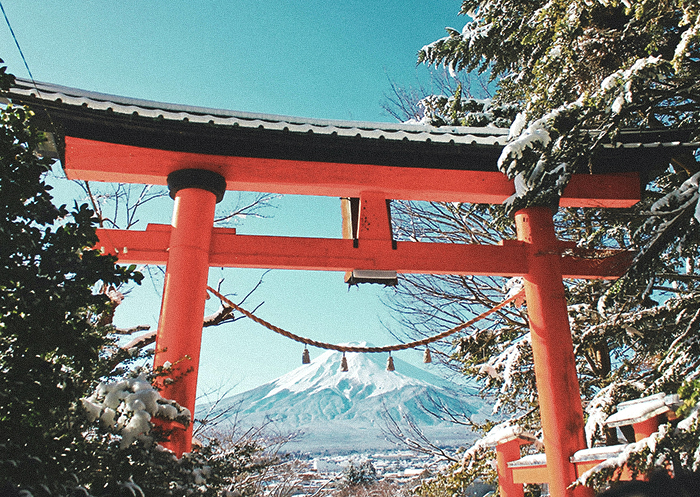
A handful of modern calendars and fictional characters still carry the wafugetsumei today, and knowing what stands behind each name tends to make everyday Japanese life and culture feel a little closer at hand. They make good material to share as a small piece of Japan trivia. This author hopes the wordplay covered here finds a use alongside them.
KOTO is a journal of Japanese craftsmanship, culture, and the aesthetic sense behind them.
- SHARE
-


( language )