







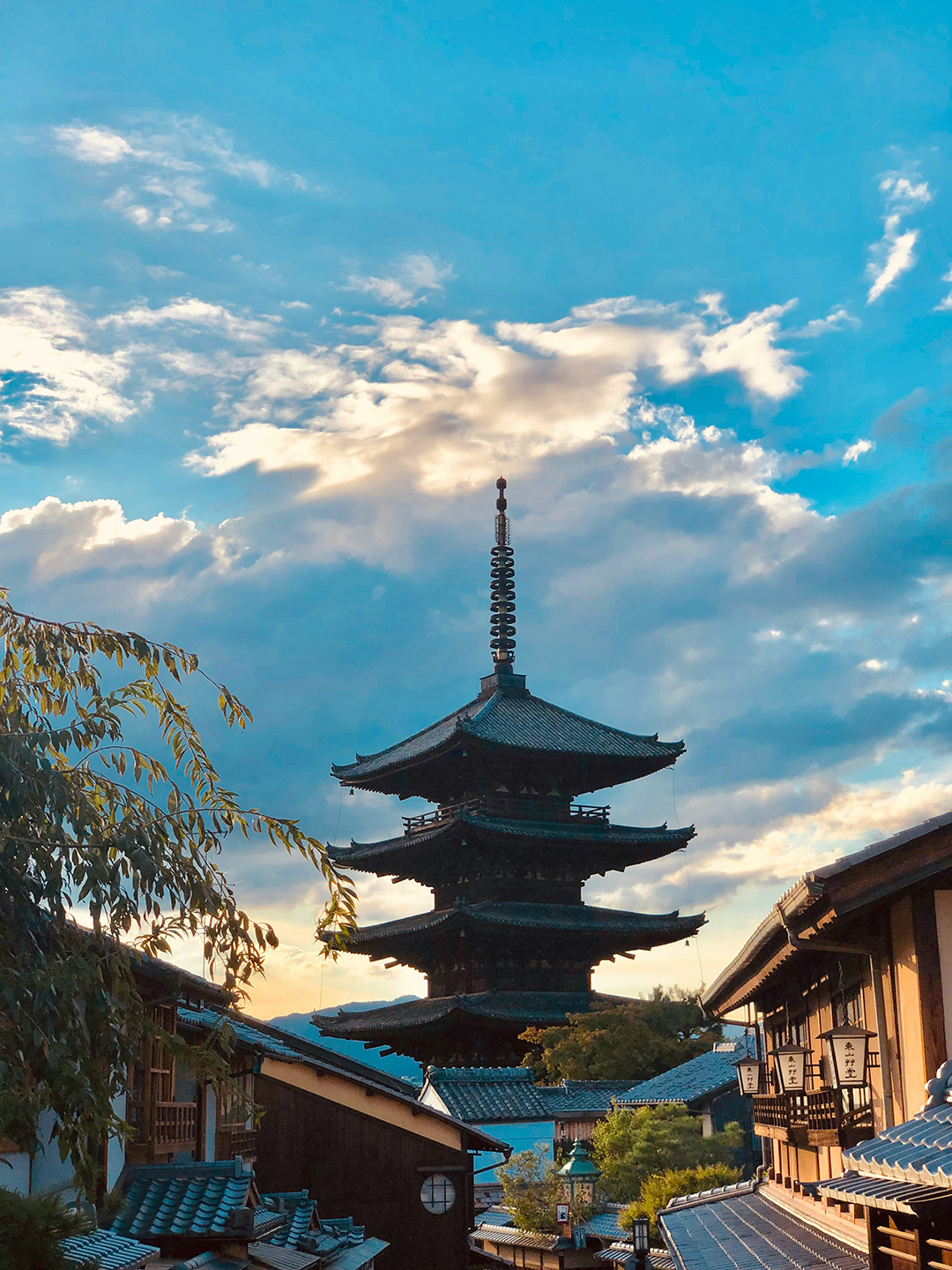
Kyoto Traditional Culture: A Guide to Real Japan Through Tea, Kimono, and Hidden Temples
Kyoto is Japanese classic capital.
It has long been one of the country’s most visited destinations among travelers from abroad, prized as the place where Japan’s atmosphere is easiest to feel.
For a first trip to Kyoto, knowing something of the city’s history, culture, and manners in advance makes the visit considerably richer.
This guide sets out:
– the foundations and history of Kyoto’s traditional culture
– hands-on activities visitors can take part in
– the aesthetic of 侘び寂び wabi-sabi, and a few quieter, lesser-known cultural spots
– a few points of etiquette worth carrying with you
You will be able to ready arriving the true of Japan if you read on this article.
The Foundations of Kyoto’s Traditional Culture
Kyoto’s traditional culture is rooted in its history as the capital for a thousand years. Since the establishment of 平安京 Heian-kyo, The imperial capital of Japan during the Heian period(794–1185), Kyoto has remained the spiritual heart of Japanese culture.
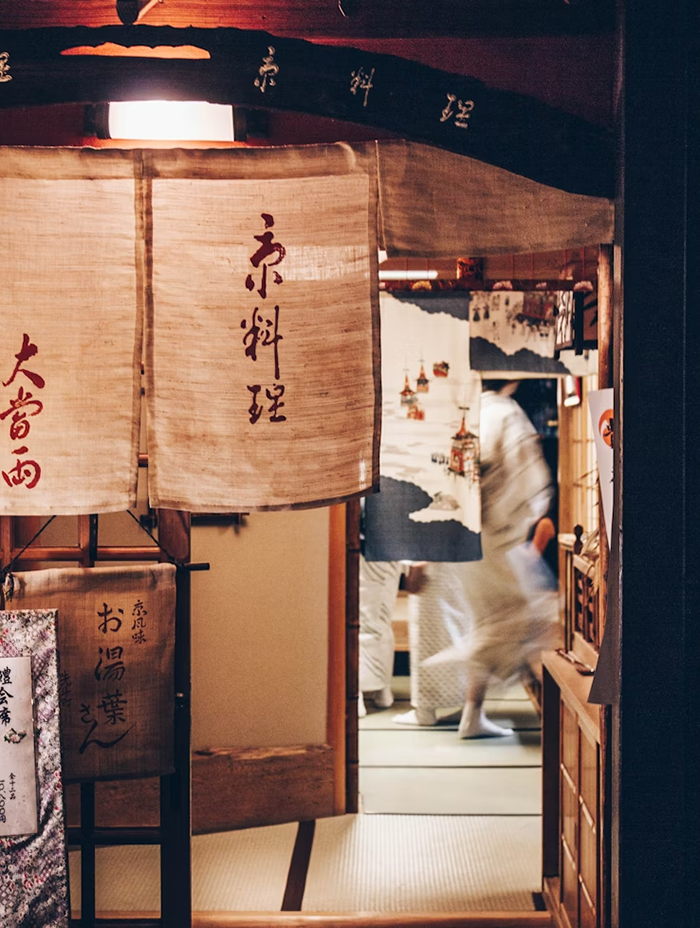
茶道 sado, the way of tea, developed under the influence of Zen Buddhism and was brought to its refined form by 千利休 Sen no Rikyu. 華道 kado, the way of flowers — known in the West as 生け花 ikebana — grew out of floral offerings made to the Buddha. 雅楽 gagaku, the music of the imperial court, was treasured as court music, and 京料理 Kyo-ryori, Kyoto cuisine, remains indispensable to the city’s seasonal observances. Kimono, for its part, traces back to the 十二単 junihitoe, the twelve-layered robe worn by women who worked in the court of Heian-era, and a refined sense of dress was pursued within the warrior class as well.
In this way, Kyoto’s traditional culture was refined through its ties to religion and to those in power, and — as the rising merchant and artisan class, the 町衆 machishu, gained standing — the culture of the upper classes came to spread among ordinary townspeople too. 歌舞伎 kabuki, one of Japanese classical theater and 浮世絵 ukiyo-e, woodblock prints were among the new forms of culture that flowered alongside it.
The traditional culture of Kyoto as it survives today is a crystallization of what many different people, over many generations, built through the ordinary business of living.
Cultural Experiences to Try in Kyoto — A Quiet Hour Given Over to the Japanese Aesthetic
Feeling Kyoto’s culture directly, hands-on, is a rare chance to come into contact with the Japanese sense of beauty. Below are some of the popular activities that put visitors in touch with the city’s history and culture.
Tea Ceremony
At 茶道 sadou, tea ceremony schools belonging to the 裏千家 Ura-senke and 表千家 Omote-senke lineages, visitors can learn the etiquette and preparation behind the tea gathering, be shown how matcha is properly received, and take part in a full tea service.
Kimono Rental and Photography
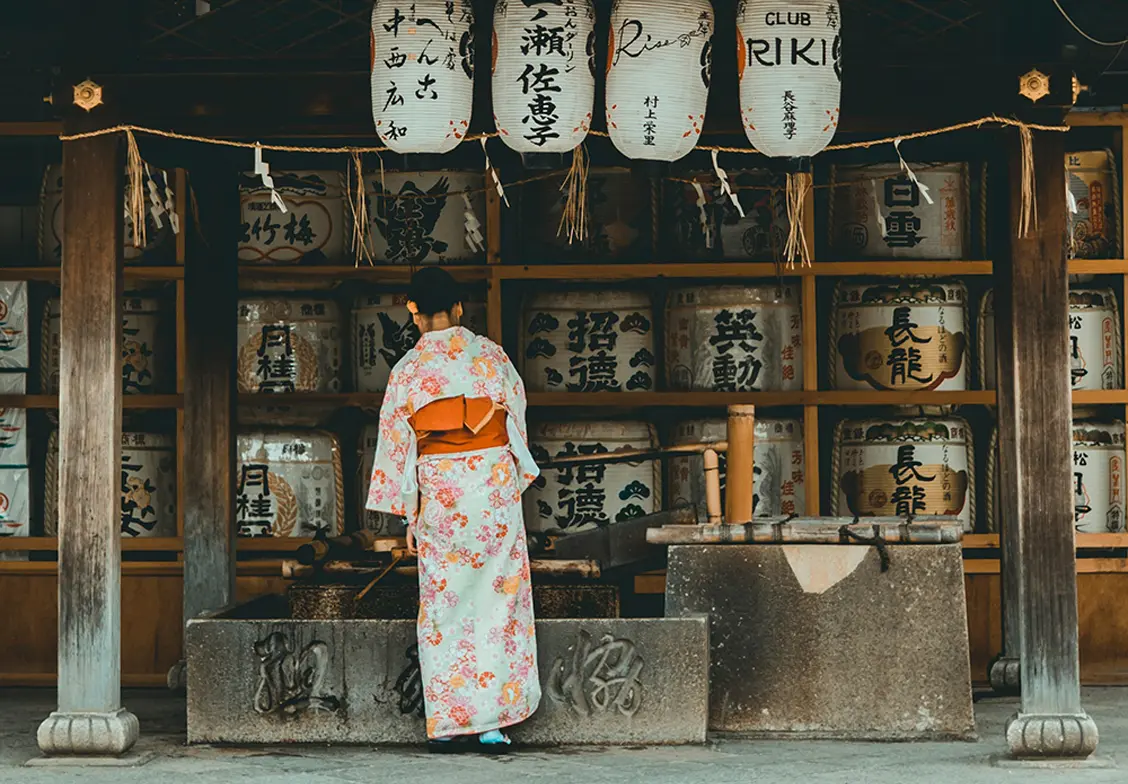
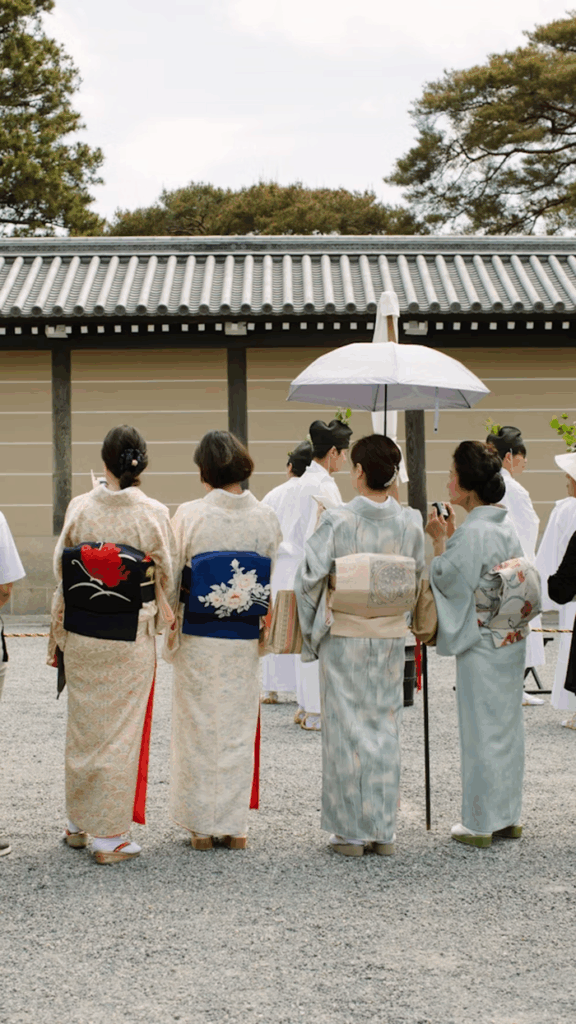
A favorite way to make a lasting memory against the backdrop of Kyoto’s streets: after being dressed in 着物 kimono, a professional photographer takes portraits at some of the city’s well-known locations.
Wagashi-Making
Taught by an established maker of 和菓子 wagashi — traditional Japanese confections — visitors can try their hand at making a sweet of their own.
Introduction to Kodo
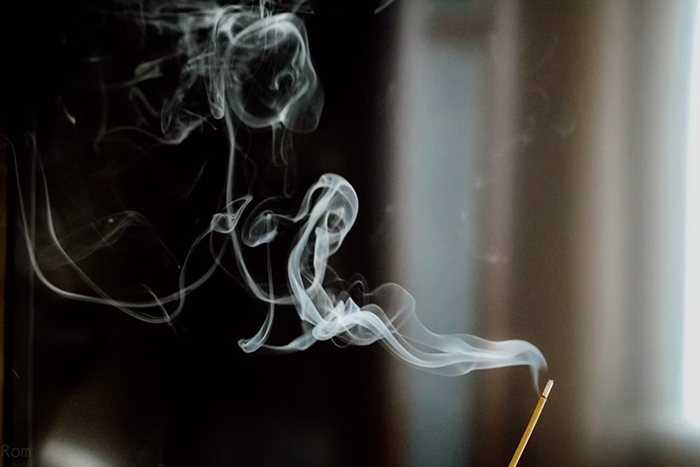
香道 kodo, the way of incense, lets visitors enjoy the subtle differences between fragrant woods and experience firsthand a sense — smell, refined into an art — that runs through Japanese culture.
Urushi Lacquer Experience
Under the guidance of a traditional craftsman, visitors make a piece of lacquerware of their own and get a direct feel for the beauty of 漆 urushi lacquer, glossy in black or vermilion.
A Short Lesson in Nihon Buyo
Visitors learn the beauty of the movements and the meaning behind them, trying a short passage of 日本舞踊 nihon buyo, traditional Japanese dance, set to 長唄 nagauta and 小唄 kouta songs or to regional folk music.
Swordsmithing Demonstration and a Mock Cutting
After watching the process by which a Japanese sword is forged, a master of 居合 iaido — the art of drawing and cutting with the sword — performs a demonstration with a training blade.
Through experiences like these, take in an hour given over to the quiet flow of Japanese time. Kyoto’s culture runs deep, and it is very likely to show you something new.
Sitting With the Aesthetic Sense Called Wabi-Sabi
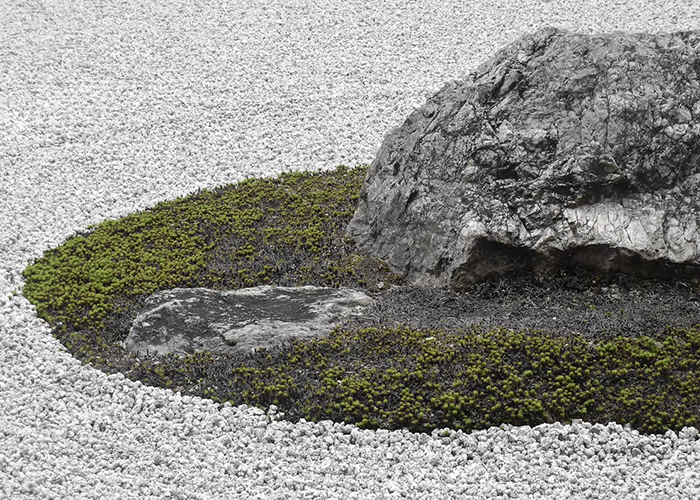
佗び寂び wabi-sabi, an aesthetic that has drawn attention abroad as well, is a way of seeing the world that finds beauty in imperfection and asymmetry, and loves plainness left as nature made it. A bowl with a crack or an irregularity, plain wildflowers, a door worn soft with age — wabi-sabi is not a pursuit of perfection but a humility that accepts things as they are.
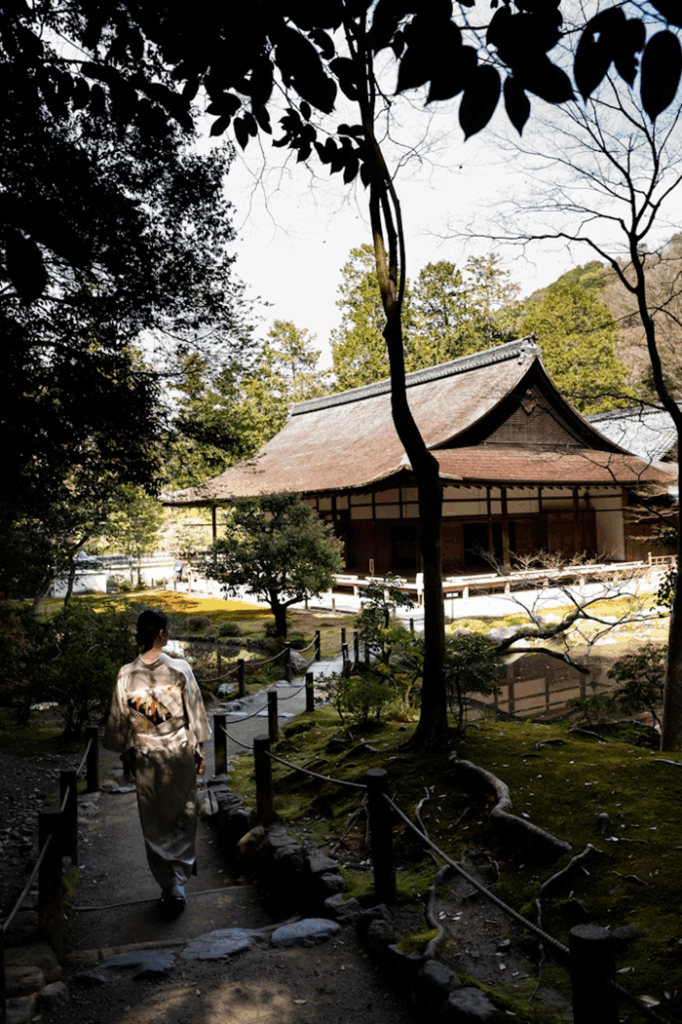
If you travel to Kyoto, it is worth carrying the spirit of wabi-sabi with you. Moss spreading at your feet, a stone path weathered by the years — simply standing in front of them is enough for a vivid world of wabi-sabi to open up.
Feeling Culture in the Quiet — A Few of Kyoto’s Lesser-Known Spots
Kyoto draws large numbers of visitors, from Japan and abroad alike. Even so, the city holds places where the heart of Japanese culture can be felt in real quiet. Below are a few spots set a little apart from the busier circuit.
Shisen-do
詩仙堂 Shisen-do is the Zen temple where the Edo-period poet 石川丈山 Ishikawa Jozan spent his later years. Its dry-landscape garden and painted sliding doors condense the aesthetic sense of Zen into a single space.
Taizo-in, Myoshin-ji
The dry-landscape garden at 退蔵院 Taizo-in, one of the 塔頭 tacchu — sub-temples — within the 妙心寺 Myoshin-ji temple complex, is a celebrated garden associated with the 狩野派 Kano-ha, Kano school . Let your thoughts wander through the abstract beauty made by white sand and arranged stone.
Funaoka Onsen
船岡温泉 Funaoka Onsen is a 銭湯 sento, Japanese public bathhouse distinguished by an atmosphere that evokes the Showa era (1926–1989). Its building, featuring the gently curved lines of the 唐破風karahafu style blends seamlessly into the Kyoto cityscape.
Murin-an
無鄰菴 Murin-an was the villa of the Meiji-era(1868-1912) entrepreneur 山縣有朋 Yamagata Aritomo. It brings a Japanese garden and a Western-style building together in one composition — a space where Western and Japanese sensibilities meet with real elegance, and one worth seeing for that alone.
Kamishichiken
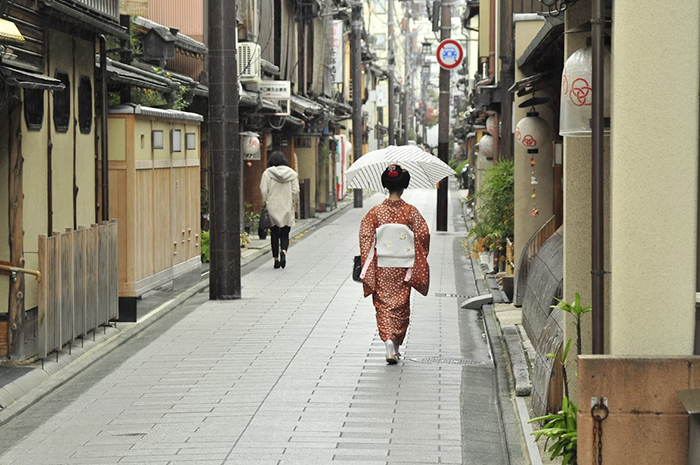
At 上七軒 Kamishichiken, Japanese classic 町家 machiya — traditional townhouses — have been converted into gallery spaces where contemporary art and traditional culture meet.
Every spot introduced here is a place where the depth of Japanese culture can be discovered in quiet. They are very likely to show you a side of Kyoto you have not seen before.
Etiquette for Engaging With Kyoto’s Culture — Giving It Your Full Attention
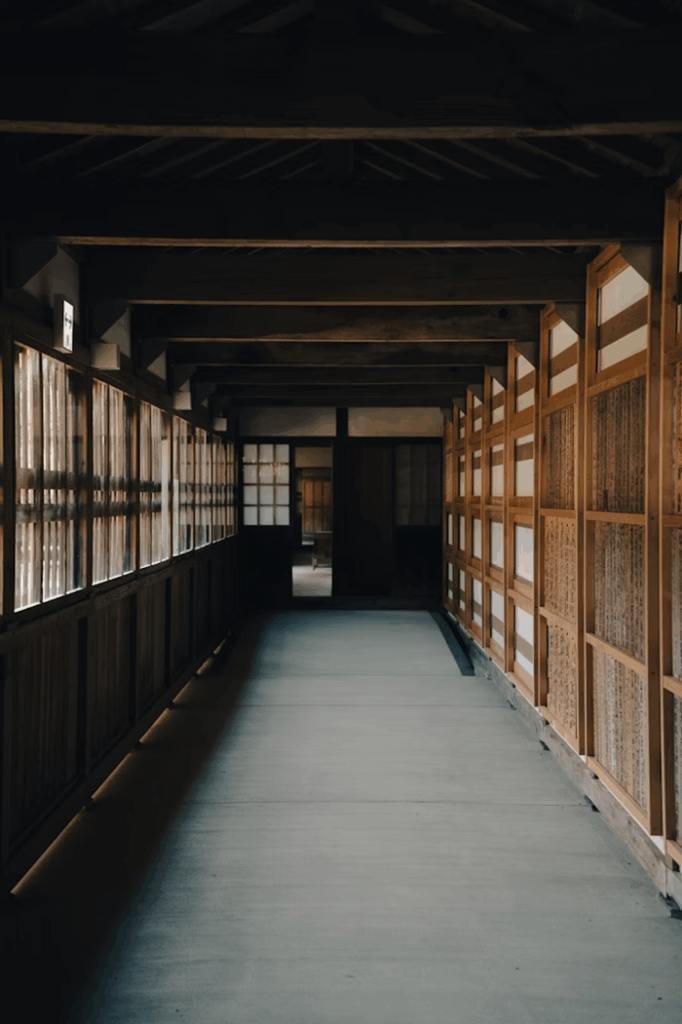
There is a Japanese proverb that says, 郷に入っては郷に従え Go-ni-itteha-go-ni-shitagae (English translation: “When in Rome, do as the Romans do.”)
It means that “once you set foot in a place, you follow that place’s customs. “
Below are a few points of manners and Japanese custom worth knowing when sightseeing in Kyoto.
Keep Conversation to a Minimum
In quiet spaces, even ordinary conversation carries and echoes.
How Shoes Are Removed and Arranged
Shoes are expected to be aligned heel to heel and set down neatly, side by side.
Understand What “No Photography” Means
A no-photography rule is not an arbitrary restriction — it carries a concern for protecting cultural properties. Even where photography is permitted, it is worth asking first whether a photograph may be taken, and saying a word before you do.
Approach It as Participation
Real understanding comes from exchange with the people who carry a culture forward. Follow the rules, and from there, take the initiative yourself in engaging with the culture and history in front of you.
One Step Beyond Sightseeing, Into a Conversation With Culture
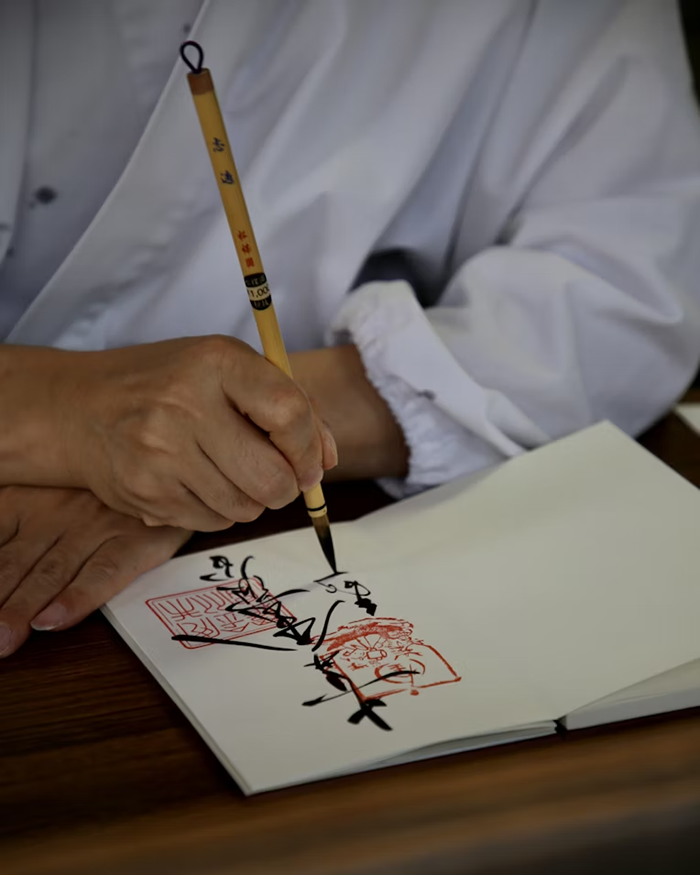
Kyoto’s traditional culture is a crystallization of the Japanese aesthetic sense, shaped over a thousand years of history. The way of tea, the way of flowers, the way of incense — the many arts woven together in quiet. The aesthetic of wabi-sabi, living on in old townhouses and gardens. And the honest exchange with the people who protect and pass on Kyoto’s culture.
If you travel to Kyoto, consider going one step beyond sightseeing. Make the trip not a matter of surface observation but of conversation with the culture itself. There, almost certainly, is a discovery that will enrich you. Come to Kyoto, and experience the heart of Japanese culture firsthand.
KOTO is a journal of Japanese craftsmanship, culture, and the aesthetic sense behind them.
- SHARE
-


( landscape )