





The Japanese Year-End Checklist: From Winter Solstice to Toshikoshi Soba
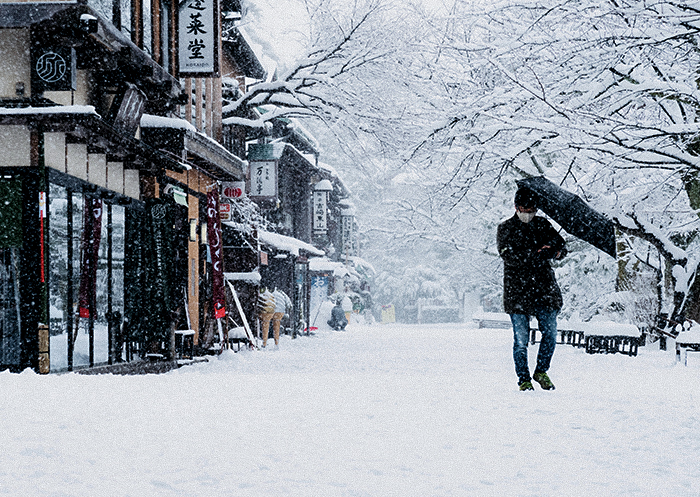
2025 is almost over, and 2026 is on its way in. This stretch of the calendar is known in Japan as 年末 nenmatsu, the year-end, and it falls within 師走 shiwasu, the old name for December that literally suggests even a teacher is too busy to stand still. Of all the busy weeks in shiwasu, this final one is the busiest.
It is also, for many people, the most anticipated — a run of events packed close together, each with its own small ritual attached. Here is what fills a Japanese December, from long-standing tradition to more recent custom.
Around December 21–22: Toji, the Winter Solstice
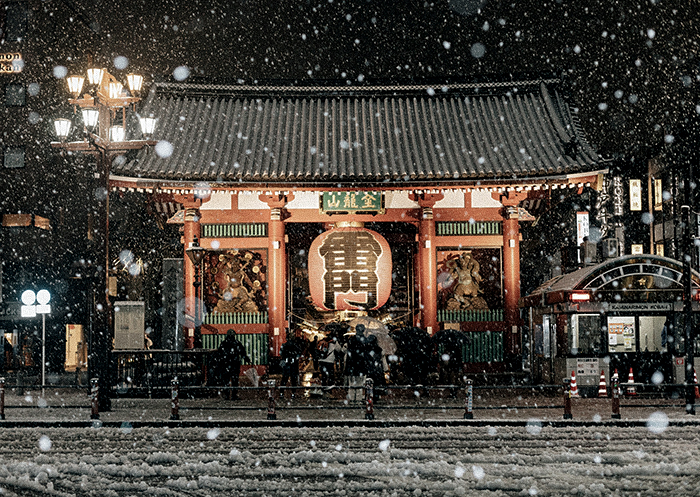
冬至 tōji, the winter solstice, is the day with the shortest period of sunlight in the year. Astronomically it falls on December 21 or 22 each year; in 2025, that was Monday, December 22.
The shortest day of sunlight was traditionally read as the day the sun’s own vital energy was at its weakest. Certain customs on this day were understood as ways to ward off misfortune and settle body and mind ahead of the coming year’s good fortune.
What People Do at Toji
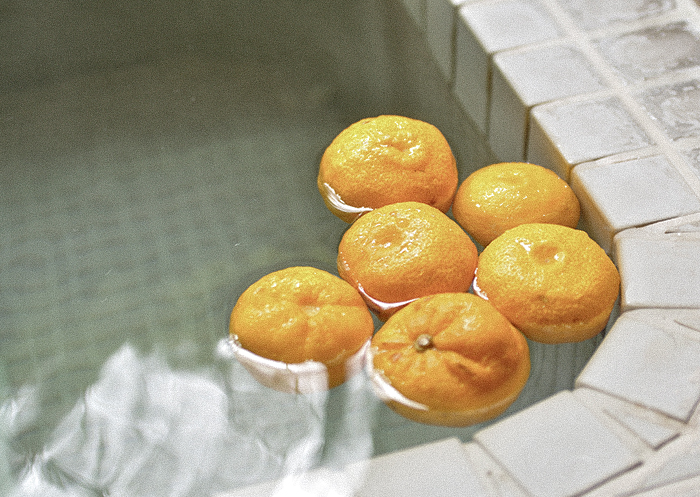
Taking a yuzu bath. A ゆず湯 yuzu-yu — a hot bath with whole yuzu citrus floated in it — is meant to purify the body. Its main effects are said to be warding off bad luck and preventing colds, though the custom is also thought to lean on a wordplay: yuzu echoes 湯治 tōji, therapeutic bathing, and 融通 yūzū, flexibility or good fortune. Yuzu also carries a clean, citrus scent that lends the bath a genuinely relaxing quality — enough that, personally, this author would happily take a yuzu bath more often than once a year.
Eating kabocha. The red color inside a kabocha, Japanese pumpkin, is considered effective against bad luck, and its high nutritional value makes it useful, like the yuzu bath, for warding off winter colds. Simmered kabocha is a personal favorite; a kabocha soup would presumably warm you up just as well.
Eating foods containing the syllable “n” (ん). The idea here is to draw in 運 un, luck, for the year ahead — a pun on the sound “n.” Foods commonly eaten for this include udon noodles, renkon (lotus root), and ninjin (carrot), most of which happen to be warming winter foods in their own right. Kabocha qualifies too, under its alternate name 南瓜 nankin.
December 24–25: Christmas
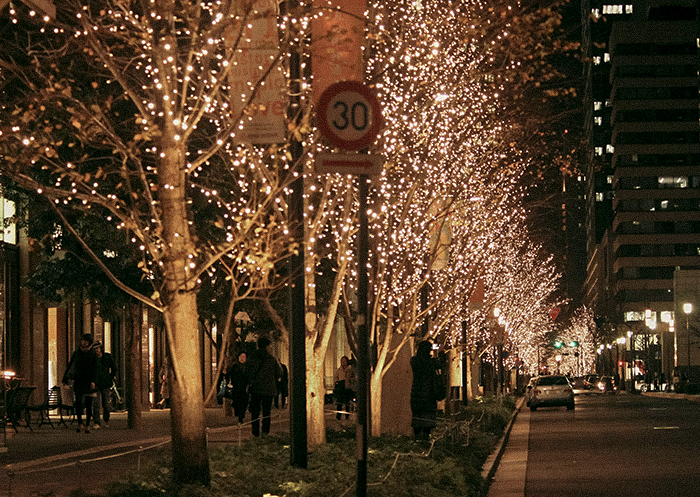
Christmas might look like an obvious import from the West, and in one sense it is — but it has taken root in Japan as a genuine tradition in its own right, with a shape distinctly its own.
How Christmas Culture Developed in Japan
Christmas first reached Japan in 1552, traced to a Mass held in what is now Yamaguchi Prefecture. It was later suppressed during the persecution of Japanese Christians, and did not resurface until the Meiji era (1868–1912), spreading initially through foreign settlements, Yokohama among them.
In 1900, Meidiya, a store that had opened in Tokyo’s Ginza district, began selling Christmas-themed goods — widely credited as the moment Christmas became broadly known to ordinary Japanese people.
It became a family occasion after 1945, once the confectionery company Fujiya began selling Christmas cakes. The postwar baby boom, and the surge in births that came with it, is thought to have helped cement the link between Christmas and family celebration. Department stores’ competing seasonal promotions did the rest, and the Christmas culture recognizable in Japan today took shape from there.
How Japanese Christmas Differs from Christmas Elsewhere
One: it reads as a holiday for couples and friends. Where Christmas abroad is typically a family occasion, in Japan it carries a stronger association with romantic partners and friends — viewing light displays, throwing parties. Its particular reputation as “a day for couples” is often traced to television dramas and songs from the bubble economy of the 1980s.
Two: fried chicken is the essential dish. Poultry shows up on the table either way, but the specifics differ. Where a whole roast turkey is the standard abroad, fried chicken is the standard in Japan — a custom traced to a Kentucky Fried Chicken marketing campaign. Every year, once fried chicken starts showing up in television ads and store displays, it reads, to this author at least, as the surest sign that Christmas is close.
Three: Christmas cake means strawberries and whipped cream. As Christmas approaches, cake is sold alongside the fried chicken. There are many varieties, but the standard image is a sponge cake layered with strawberries and whipped cream, topped with a small sugar figure of Santa Claus.
Eating cake specifically for Christmas is considered a distinctly Japanese custom, traced again to Fujiya’s Christmas cakes. Many Japanese elementary and middle schools go into winter break around this time (the exact dates vary by school year and region), and a number of schools serve Christmas cake in the school lunch. This author, as an elementary school student, remembers being offered a choice between a strawberry shortcake and a chocolate cake at lunch, and the genuinely difficult debate that followed with friends over which to pick.
A Holiday Without Much Religious Weight
Christmas is, at its origin, a sacred day within Christianity. In Japan, though, it registers first and foremost as a fun seasonal event. Read against Japan’s long-standing culture of 八百万の神 yaoyorozu no kami, “eight million gods,” and the layered coexistence of Shinto and Buddhist practice, that particular, secular take on Christmas is one more example of how the country tends to absorb outside traditions on its own terms.
Late December: Preparing Nengajo
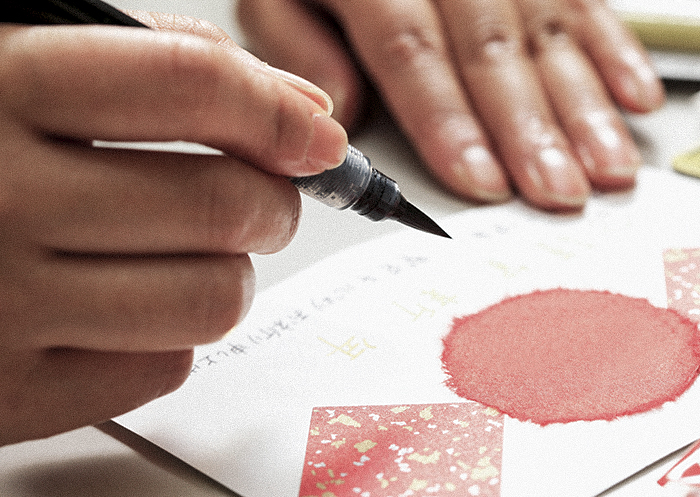
Two tasks are essential before the year ends: preparing 年賀状 nengajo, New Year’s postcards, and doing the year-end deep clean. A recent trend called 年賀状じまい nengajo-jimai — deciding to stop sending nengajo altogether — has been gaining ground, but the tradition is still worth understanding in full.
Preparing the Cards
Nengajo are postcards timed to arrive on New Year’s Day itself, carrying a greeting for the new year. Their design is traditionally built around that year’s zodiac animal (2026 is the Year of the Horse, so horse motifs are typical).
More recently, many people instead use family photos or images from the past year, or bring in traditional textile patterns associated with kimono. Separately from nengajo proper, manga and anime titles often produce their own New Year’s illustrations — scenes of characters in kimono eating mochi or playing hanetsuki (a New Year’s badminton-like game) are a small seasonal genre of their own, worth looking out for.
Nengajo Etiquette Worth Knowing
One: send a kanchū-mimai instead, to households in mourning. A household that has lost a family member in the past year is said to be in 喪中 mochū, mourning. Sending a nengajo to a household in mourning is considered inappropriate; a 寒中見舞い kanchū-mimai, a winter greeting card sent slightly later, is the substitute. A household in mourning, for its part, is expected to notify others in advance with a 喪中はがき mochū hagaki, ideally sent between mid-November and roughly December 10, so recipients know not to prepare a nengajo for them.
Two: avoid unlucky words, and punctuation where possible. Because nengajo are a celebration of the new year, words associated with misfortune — 失 (loss), 無 (nothingness), 壊 (breaking), 苦 (suffering), 終 (ending) — are avoided outright. The everyday word 去年, “last year,” is avoided too, since 去る means “to leave” or “depart”; 昨年, an alternative word for “last year,” is used in its place. Punctuation is also generally left out of the greeting text itself.
Three: watch two-character greetings, and punctuation, when writing to someone senior. Two-character New Year’s greetings such as 迎春 or 賀正 are considered a breach of etiquette when addressed to someone of higher status; a four-character greeting such as 謹賀新年, “a respectful celebration of the new year,” is the standard choice instead. The same caution about avoiding punctuation applies especially to cards sent to seniors.
Four: aim to have it arrive by January 7 at the latest. The goal is arrival within 松の内 matsu no uchi, the traditional New Year’s period that runs through January 7. Because nengajo are processed and delivered in bulk by the postal service, anyone who wants guaranteed delivery on New Year’s Day itself should drop the card in the mail by the post office’s recommended deadline of December 25.
Late December: Osoji, the Year-End Deep Clean
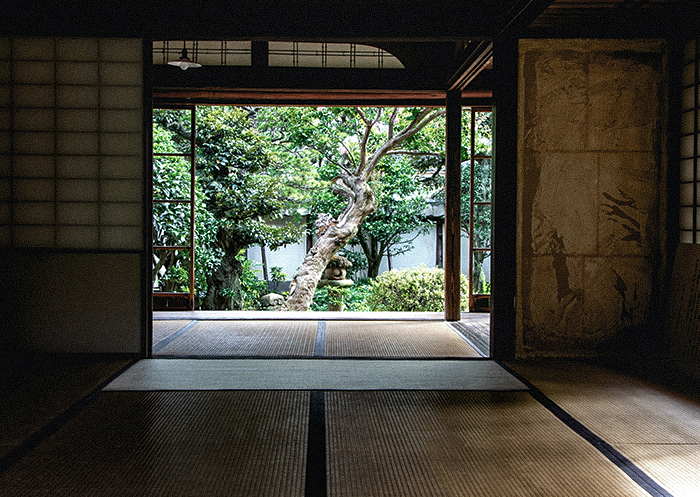
大掃除 ōsōji, the year-end deep clean, is meant to clear away a year’s accumulated grime and prepare a clean home to welcome 年神様 Toshigami-sama, the deity of the incoming year.
The custom traces to 煤払い susuharai, “soot-sweeping,” which began in the imperial court during the Heian period (794–1185) as a way of clearing soot and dust that had built up in the home. It was understood to ward off misfortune and invite good fortune in its place.
In an ordinary household today, ōsōji typically means tackling the spots that go untouched the rest of the year all at once: dusting light fixtures, cleaning exhaust fans, and the like.
Dates to Avoid
Ideally, ōsōji is finished before the winter solstice, though that is a tall order for most people’s schedules today. At minimum, it should be done by December 28. The days after that are best avoided, for the following reasons:
December 29: the number nine, in this date, doubles into 二重苦, “double suffering” — an unlucky wordplay best avoided.
December 30: under the old lunar calendar, this date fell on New Year’s Eve itself, and cleaning on it was considered disrespectful to the gods.
December 31: a last-minute rush of New Year’s preparation on New Year’s Eve itself is known as 一夜飾り, “one-night decoration,” and is generally avoided as bad form.
December 28, for its part, is considered auspicious: the number eight, written as 八 in kanji, is associated with 末広がり, “spreading out toward prosperity.” Anyone worried about finishing by the 28th can also simply start earlier, cleaning one area of the house at a time from November onward.
Temples and Shrines That Still Hold Susuharai
Susuharai survives as a public, traditional event at a number of Japanese temples and shrines. A few notable examples:
Nishi Honganji and Higashi Honganji, Kyoto. Held every year on December 20. Monks carry out the susuharai, and the sight of dust being fanned into the air with large uchiwa fans is one of the season’s familiar images in Kyoto.
Nikko Toshogu and Nikko Futarasan Shrine, Tochigi Prefecture. Held every December. Shinto priests and shrine maidens, dressed in traditional kariginu robes and eboshi caps, use specially made bamboo-leaf brooms to clear away dust with care, so as not to damage the shrine’s carvings and gold leaf.
A separate susuharai, timed to 正月事始め Shōgatsu Kotohajime, the traditional December 13 start of New Year preparations, is also held on that date each year: monks use bamboo poles roughly ten meters long to sweep dust from the ceiling, main hall, and Buddha statues.
December 28 Onward: Shigoto-Osame, the Last Day of Work
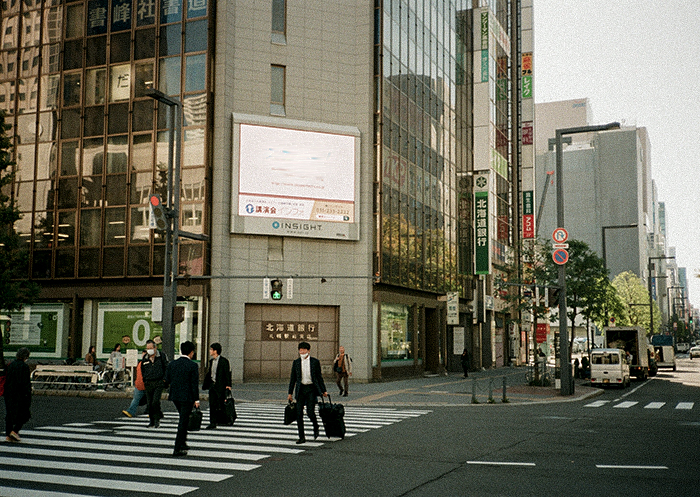
仕事納め shigoto-osame marks the close of the year’s work and the start of the year-end holiday. Along with wrapping up whatever tasks can be finished before the break and preparing for the year ahead, it is customary to greet the people one has worked with over the year before parting for the holidays.
In government offices, this is called 御用納め goyō-osame, and the holiday period, by law, runs from December 29 to January 3. In the private sector, the exact schedule varies by company; financial institutions, for instance, close from December 31 through January 3. Some industries, including parts of the service and manufacturing sectors, continue operating through the New Year as usual.
The Homecoming Rush
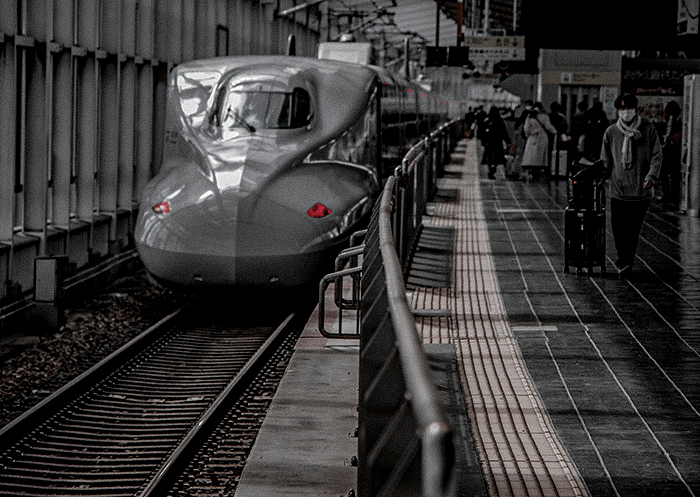
Once the year’s work is done, the long-awaited year-end and New Year holiday begins. Large numbers of people travel to see family, producing a homecoming rush comparable to Japan’s Golden Week travel period in spring.
News broadcasts forecast the peak travel dates each year, so anyone planning to travel over the New Year holiday is well served by checking transportation schedules ahead of time. Tickets for some long-distance trains and Shinkansen services can sell out early, so booking in advance is worth doing. Heavy snow and other winter weather can also disrupt services during this period, so checking the forecast alongside transit information is worthwhile.
December 29–31: Preparing Osechi and Toshikoshi Soba
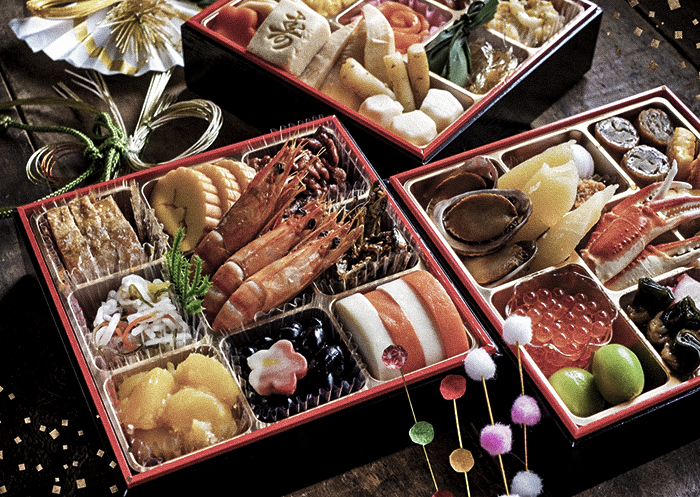
The final stretch of the year is for preparing おせち osechi, the New Year’s food, and 年越しそば toshikoshi soba, the noodles eaten on New Year’s Eve.
Osechi is built from foods considered lucky, but it also served a practical purpose: avoiding kitchen work during 三が日 sanganichi, the first three days of the New Year.
Why Avoid Kitchen Work During the First Three Days
One: water washes fortune away. Washing dishes or cooking with water risked rinsing away the good fortune that Toshigami-sama, the New Year deity, was believed to bring into the home.
Two: fire might anger the kitchen god. Cooking over a flame during the first three days risked angering 荒神様 Kōjin-sama, the god of the hearth, and using fire was also simply seen as inviting the kind of household mishap best avoided at the start of the year.
Three: a blade might cut a good relationship. Kitchen knives, essential as they are for cooking, were thought capable of “cutting” good relationships if used during this period.
For all these reasons, people prepared osechi in advance — dishes that keep well — specifically so the kitchen could stay untouched. Today, osechi is often bought ready-made in tiered lacquer boxes (重箱 jūbako), and many households simply purchase it rather than prepare it at home.
The Origins of Toshikoshi Soba
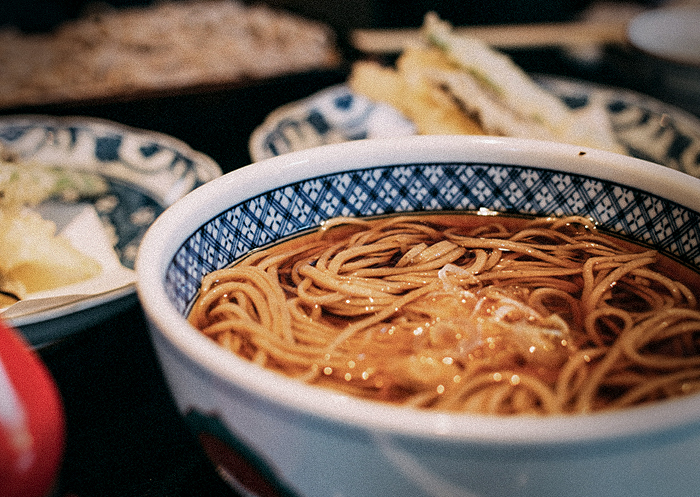
年越しそば toshikoshi soba is the bowl of soba noodles eaten every year on December 31, New Year’s Eve. Depending on the region, it also goes by names such as 年取りそば, “age-taking soba,” 縁切りそば, “relationship-cutting soba,” and 長寿そば, “long-life soba.”
The custom of eating soba on New Year’s Eve dates to the Edo period, and rests on a handful of associations. It is typically eaten in the evening or late at night on the 31st; in some regions, the custom is to eat it only after 除夜の鐘 joya no kane, the temple bells rung just before midnight, have begun.
One: soba noodles break easily. The way the noodles snap while being slurped was read as a symbol of cutting off the misfortunes of the year now ending.
Two: thin, long noodles. Soba’s long, thin strands were connected to health and long life; the way soba plants, before harvest, bend under wind and rain and then spring back upright was read the same way.
Three: soba flour and gold dust. Goldsmiths once used soba flour to help gather up stray flecks of gold dust, and the association is credited with soba’s reputation as lucky for financial fortune.
This author, whenever toshikoshi soba comes up, thinks back to a newspaper advertisement from roughly twenty years ago, in which a family was shown eating not only soba but udon and pizza as well on New Year’s Eve — udon for its own long noodles, pizza for its stretching cheese. Even as a child, the idea of pushing past an established tradition in that particular, playful direction left a real impression.
In Closing
Shiwasu, “even the teacher runs,” lives up to its name: December in Japan is packed with things to do. But the density of the schedule is also what makes the year-end genuinely enjoyable — not least the chance to see relatives and friends who are otherwise hard to catch up with, time that is hard to replace with anything else.
Once the list is checked off, the best way to close out the year is at a table with the people who matter, sharing a good meal, and stepping into the new year with things in order.
KOTO is a journal of Japanese craftsmanship, culture, and the aesthetic sense behind them.
- SHARE
-


( daily-life )