







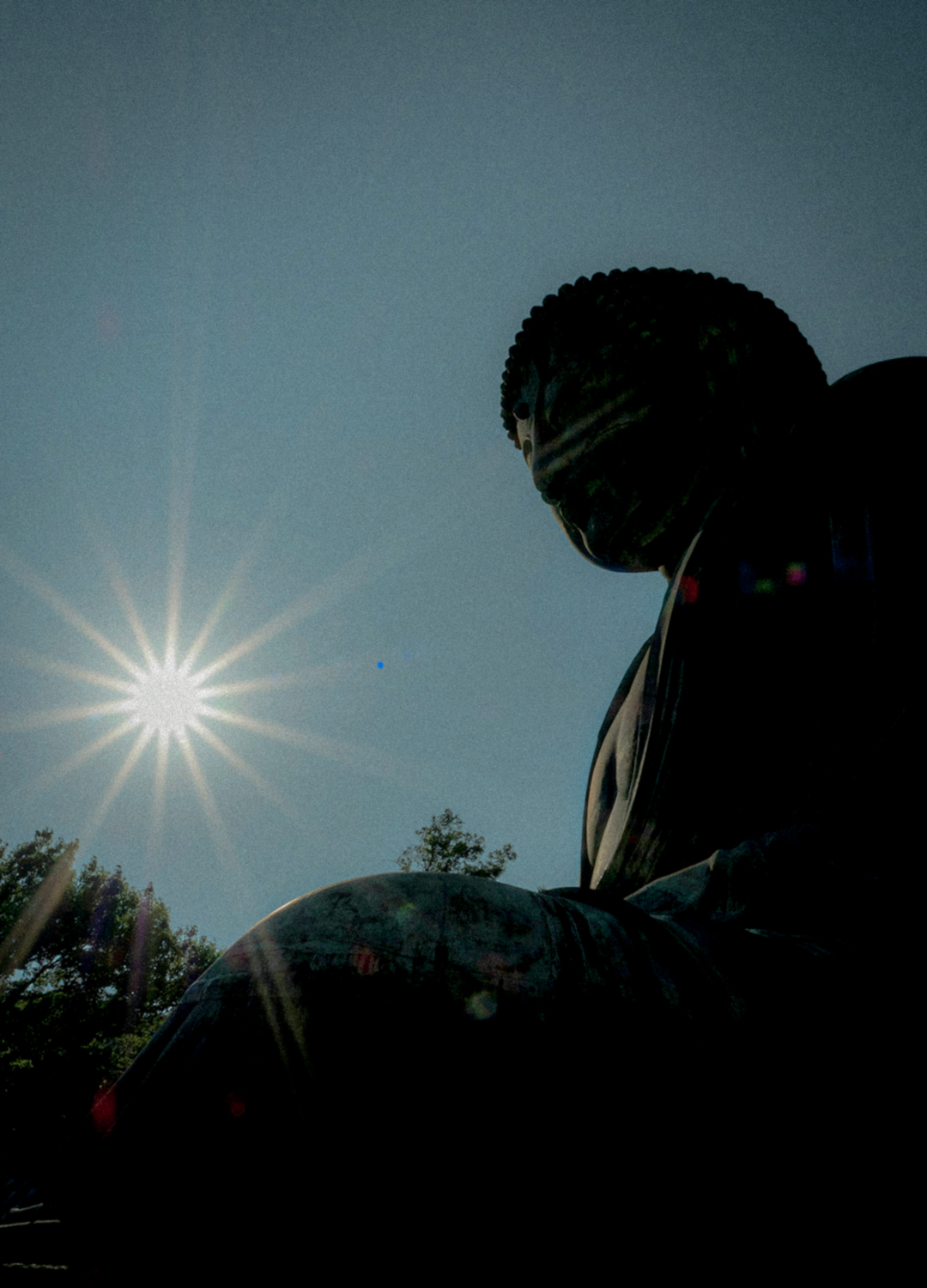
Zen Meditation and the Samurai: How Buddhism Shaped Bushido
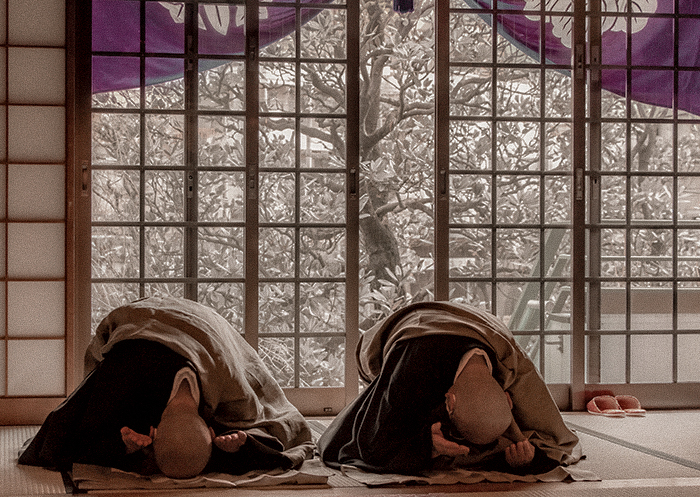
Over the past decade, mindfulness has entered everyday vocabulary in Japan much as it has in the West. Meditation in particular has been taken up as a method for steadying the mind — first and most visibly by people in business.
What is rarely said is that this is not a foreign practice arriving for the first time. Meditation in Japan is bound tightly to Buddhism, it has an unexpected affinity with Shinto, and it runs straight through the warrior class. The samurai are remembered abroad for the sword. They sat in silence with the same seriousness.
This article traces the relationship between meditation, Buddhism, and Bushido — and asks what, if anything, survives of it that is still usable today.
仏教 Bukkyō — Buddhism, Briefly Revisited
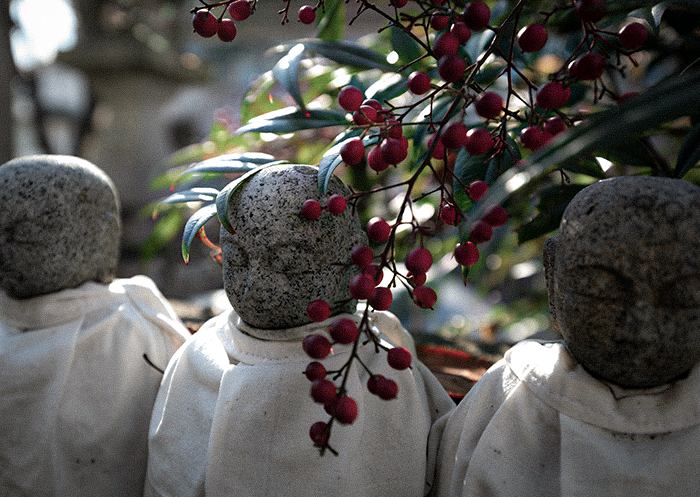
Buddhism, one of the world’s three great religions, was founded by Shakyamuni — the Buddha — around the fifth or sixth century BCE. Beginning in India, it spread across Asia, and reached Japan from China around the sixth century, during the Asuka period (592–710). Accounts of the exact date and route differ; the transmission was gradual rather than a single event.
Today it is followed by an estimated 350 to 500 million people worldwide.
Two teachings sit at the center of it: 四諦 shitai, the Four Noble Truths, and 八正道 hasshōdō, the Eightfold Path. Together they form a way of looking clearly at the suffering no human life avoids, and a set of practices for moving through it.
The destination of all of this is an awakening to a single truth: that everything changes, that nothing holds its form. To see this fully is to be released from confusion and from attachment, and to arrive at a state of settled, sufficient calm. That state is called 悟り satori — awakening — and in Buddhism it is the ideal.
瞑想 Meisō — Where Meditation Enters
Among the disciplines of Buddhism, meditation occupies a particular place. It exists in order to practice the awareness described above — the awareness that leads out of suffering. For that, the mind has to be cleared of stray thought and brought into order.
The method is deceptively plain: govern the breath, govern the posture, govern the attention. Do that, and awareness comes nearer.
In Japan the bond between Buddhism and meditation was drawn tight by 禅宗 Zenshū — the Zen school — which took root in the Kamakura period (1185–1333), in the thirteenth century. Its defining practice is 坐禅 zazen: to sit, and in sitting to look directly at the condition of one’s own mind. The purpose of that sitting was to notice 仏性 busshō, the buddha-nature held to be innate in every person, and through that noticing to arrive at awakening.
Zen adds one more claim, and it is the claim that matters most for what follows: to look into the truth of your own mind — your original nature — is itself buddha. Not a doctrine to be received from outside. Something to be found by facing yourself.
It is not difficult to see why a warrior who studied Zen ended up examining his own way of living, and with it the code he lived by.
神道 Shintō — A Different Path, and the Same Stillness
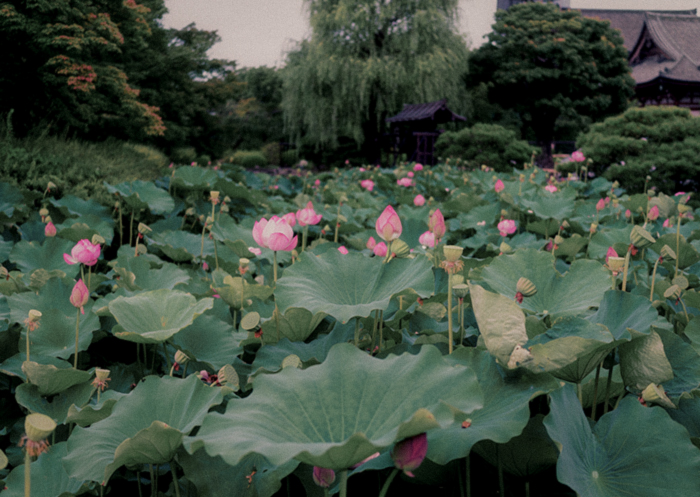
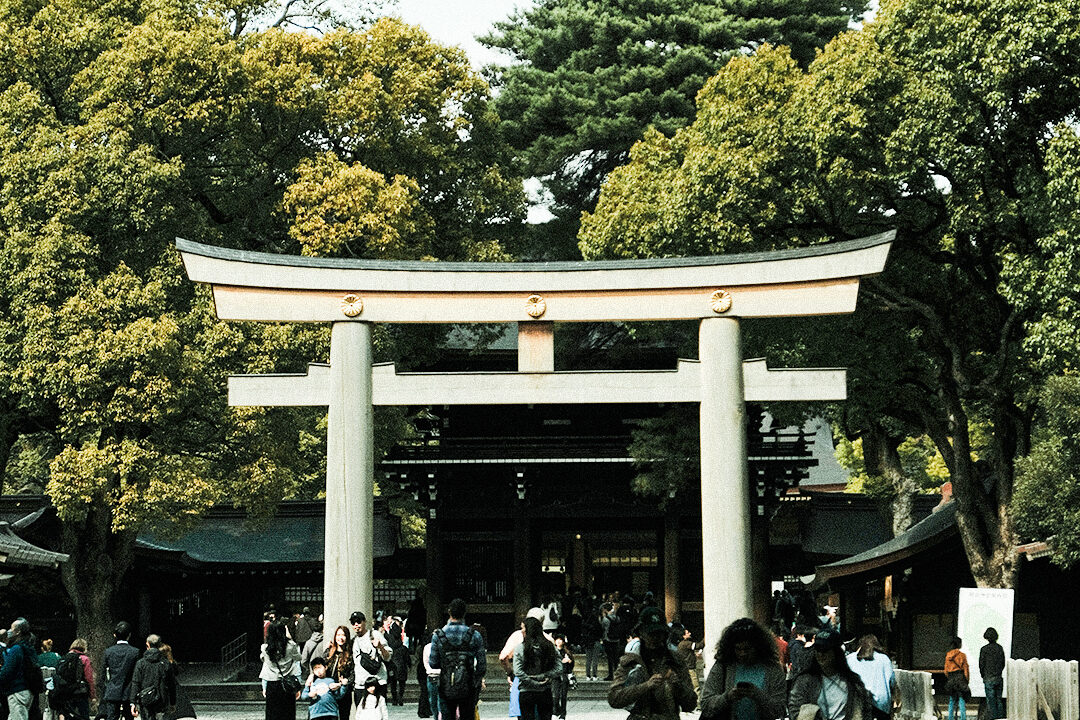
Shinto, the indigenous tradition woven through Japanese culture, is built on the worship of 八百万の神 yaoyorozu no kami — the countless gods of Shinto. Its founding idea is deep continuity with nature — a different order of thought from Buddhism, arriving from a different direction.
And yet meditation sits comfortably inside it.
Shinto asks for 清き明き心 kiyoki akaki kokoro — a clear, bright heart. The phrase describes a mind that is clean, without falsehood, without a single clouded place in it. Not a moral achievement so much as a condition to be returned to and maintained.
It asks, too, for 中今 nakaima — literally “the middle present,” the here and now. Attention is not to be spent on the past or the future, but given carefully and wholeheartedly to what is directly in front of you. Working this way steadies the axis of the self and removes the wobble from the mind.
Meditation was understood as an effective means of reaching both states.
Buddhism and Shinto think differently. In Japan both were, and remain, essential supports for the inner life, and rather than compete they merged: 神仏習合 shinbutsu shūgō, the syncretism of kami and buddhas, a coexistence that has continued from antiquity in an unbroken line.
We cover Shinto in depth in a companion article: 「神道」とは.
Meditation, Buddhism, and the Warrior
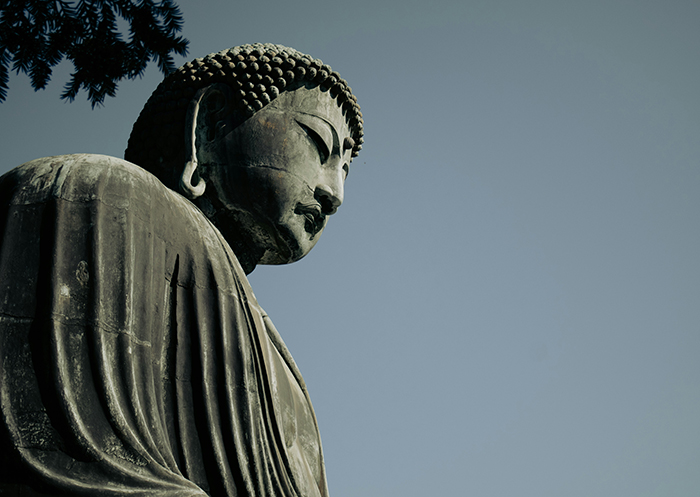
Japanese animation is fond of the meditation scene — the character who sits, breathing, and comes back stronger. The image is so familiar that it reads as shorthand.
The question is what it looked like in the real world, among men whose profession was martial skill. What, in practice, did meditation have to do with the samurai?
This section follows the school with which they were most closely bound: Zen.
For those who want to hold the world of the samurai, not only read about it.
KOTO produces a set of traditional pieces made for exactly this hour of the day — the hour of facing yourself. Details of the BUSHIDO set are here.
Why the Warrior Class Backed Zen
From the Kamakura period onward, warrior society became Zen’s patron.
The first reason was one of fit. Zen offered a practical road to awakening — one walked by sitting, not by mastering scripture or commissioning elaborate ritual — and that suited the position the samurai occupied. Settling the spirit through zazen became a genuine support for men who lived permanently beside death.
The second reason was political. The Kamakura shogunate was at odds with the established religious powers of the day, the Tendai school among them, and a new school with no stake in the old order was useful. There was also a matter of talent: the emissaries from Song and Yuan China who carried Zen to Japan were men of high learning, and the shogunate had every intention of putting that learning to work. They were retained as diplomatic and political advisers as much as spiritual teachers.
The influence outlasted the century. Traces of Zen appear in the anecdotes told of figures who came long after, among them Miyamoto Musashi and Uesugi Kenshin.
A body of thought in which awakening and action are required to coincide — where insight that does not show up in conduct is not insight — held enormous weight in a society organized around conduct.
悟り — What “Awakening” Meant to a Samurai
Awakening, for a samurai, was not necessarily religious liberation in the monastic sense.
What was held up as a virtue was something narrower and harder: the quiet preparation to accept death — held without display, without announcement to anyone, the mind ordered and the work carried out without fuss.
More than that, the two qualities most associated with Bushido — 潔さ kiyosa, a clean and unclinging bearing, and 覚悟 kakugo, resolve — resonate directly with the Buddhist concept of 空 kū, emptiness.
Emptiness holds that no thing possesses an unchanging substance of its own. Nothing is fixed; nothing can be held. Understood correctly, this is not despair. It is release: if nothing can be gripped, then attachment has nothing to grip.
Applied to a warrior’s life, the conclusion is stark and strangely bracing. To live this present moment with everything you have, and at the end to fall cleanly, without clutching — that was understood as release from the attachment to life itself.
This is close to the teaching of Hagakure, the treatise on Bushido compiled and published in the Edo period (1603–1868).
We examine Hagakure in detail in a companion article: 書籍『葉隠』.
Daily Life as Training for the Mind
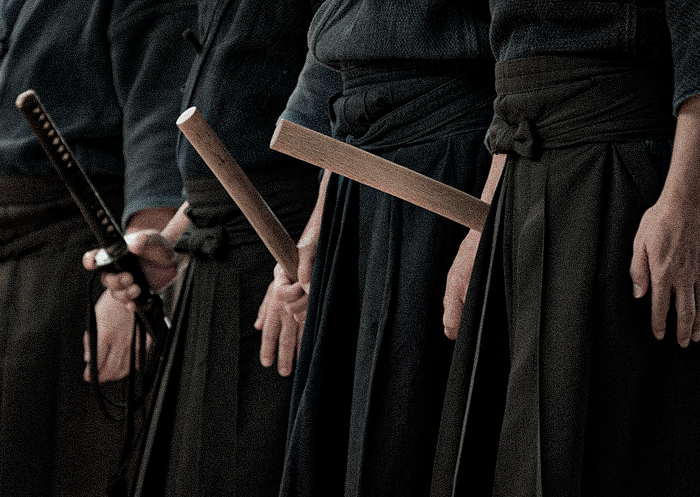
Zen’s formal discipline is zazen. Sitting in meditation, a practitioner holds attention on this moment and brings the mind into order.
But Zen does not confine training to the cushion. In Zen, the whole of daily life is the training. Meals, cleaning, the correct performance of everyday manners — putting the heart fully into ordinary physical actions is itself the method by which the spirit is unified.
This, more than anything, is the source from which modern mindfulness is thought to flow.
The same principle extended outward into the arts. Martial skill, calligraphy, the tea ceremony, the way of incense — each is a 道 dō, a Way, and each is understood as training. What the Ways ask is that a person maintain conscience, refine himself continuously, and keep putting the same question to himself: is the state of my mind correct? That question is what connects the Ways to Zen and to meditation.
True Strength Lives Inside, Not Outside
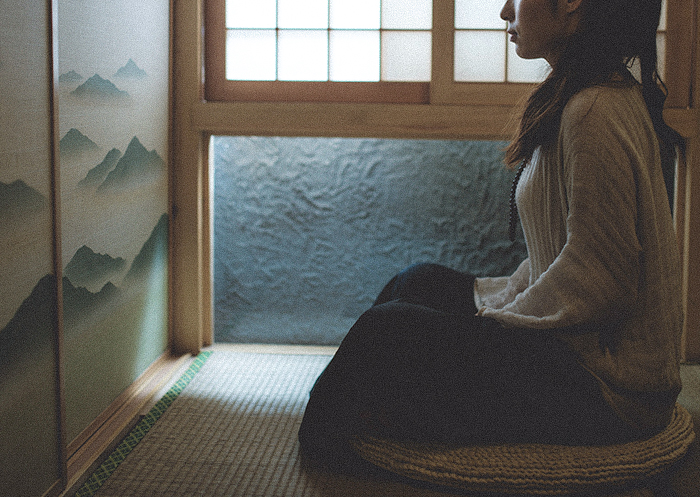
Say “martial arts” and the mind supplies an opponent being defeated.
For a samurai, real strength was defined in the opposite direction: to refuse to look away from your own weakness, and to overcome it. This is precisely why a discipline of sitting and facing oneself suited men of the sword. Meditation was practiced with two aims: to seal off self-interest and weakness, and to cultivate the composure to carry things out coolly. To serve a lord well, a retainer had to hold the condition of 無我・無心 muga and mushin — no-self and no-mind — and to judge without being pulled by private desire. A man governed by what he wanted was a man who could not be relied upon.
There is a physical corollary. Stripping away wasted force overlaps exactly with what Buddhism calls cutting off 煩悩 bonnō — the worldly desires and defilements that cloud the mind.
This, together with meditation, is also what the training of 蝋燭切り, candle-cutting, was meant to sharpen: a unified, undistracted spirit.
The Bond Seen Through Literature
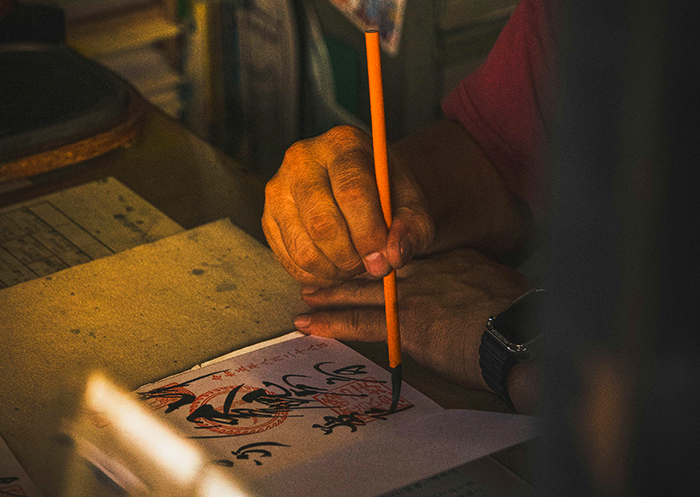
Literature offers another route into the relationship between Bushido, meditation, and Buddhism — perhaps the clearest one, since it records not the doctrine but the feeling.
Two works carry it.
① もののあはれ Mono no Aware — The Tale of Genji
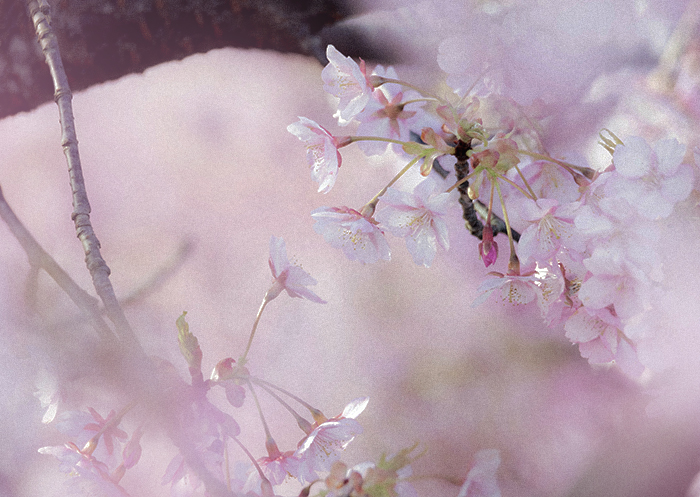
源氏物語 Genji Monogatari, The Tale of Genji, was completed in the mid-Heian period (the Heian period runs 794–1185) and follows the life of its protagonist, Hikaru Genji. Seen from outside, his life is one of splendor: beauty, rank, the court at its most refined. Seen from inside, and especially in his later years, it is a life with a great deal of suffering in it.
The emotion produced by that gap — the quiet, unresisting appreciation of transience and change — is called もののあはれ mono no aware.
A work that captured, in prose of extraordinary sensitivity, the fact that nothing is permanent and everything fades in the changing became the representative literature of its age.
The Tale of Genji has its own article: 『源氏物語』.
② 無常 Mujō — The Tale of the Heike
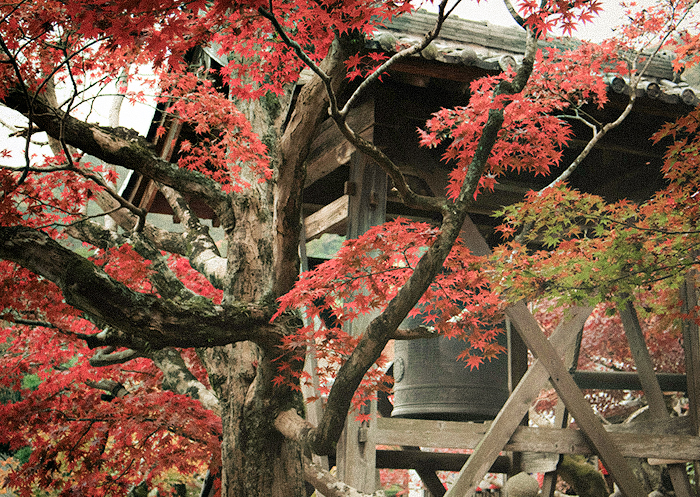
平家物語 Heike Monogatari, The Tale of the Heike, cannot be left out of this account. Where Genji gives the feeling, the Heike gives the law: 無常 mujō, impermanence — that nothing in this world holds its form — set against the rise and destruction of the Taira clan at the end of the Heian period.
Its opening lines are among the most widely recognized sentences in the Japanese language: the bell of Gion Shōja, sounding the impermanence of all things. This author, like most people schooled in Japan, memorized them for a class examination and has never quite been able to forget them.
The Taira did reach the summit. For a time they stood at the political center of the country, and the arrogance of that moment is preserved in a line attributed to one of them — that anyone not of the Taira was not a person at all. Read plainly: if you do not belong to our house, you do not count as human.
Then came the war with their rivals, the Minamoto, and the Taira were destroyed entirely.
A house swallowed by impermanence, in a single generation, having said that out loud. The Heike sets down what glory and what a human life are actually worth in duration: a moment, and no more.
What Mono no Aware and Mujō Gave to Bushido
Mujō is the principle — the truth that things change without pause. Mono no aware is the emotion — the way a person receives that truth and feels it fully rather than fleeing it.
Hikaru Genji and the Taira clan. Both reached the height of worldly flourishing. Neither could resist the ending of a life, and both went fleetingly.
Because a life and a glory feel permanent while you are inside them, and are in fact instantaneous, a question forms: how, then, should this present moment be lived?
For men who staked their lives, the question was not philosophical. Resolve in this one instant was a working requirement. And the fusion of mono no aware with mujō — of the feeling with the law — is what eventually hardened into the samurai’s characteristic manner of living and dying: unclinging, unhesitating, clean.
In Closing: Meditation, Bushido, and an Unchanging Truth About the Mind
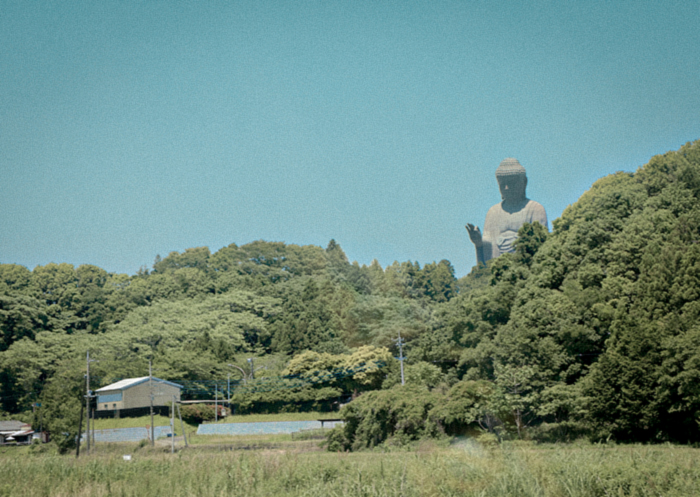
Buddhism, meditation, and Bushido are, on this reading, all connected by the same thing: the axis of the heart.
The posture they share — face yourself honestly, and live this present moment as though it mattered, because it is the only one you have — reads less like history than like a signpost left for whoever comes next.
Whatever the era, whatever the title on the business card, meditation and the thought that surrounds it keep offering the same hint about how to live. This author intends to take it up in earnest the next time the way forward is unclear — to sit, and let the mind come back into order.
The samurai are gone. The hour they set aside for facing themselves is still available to anyone willing to take it.
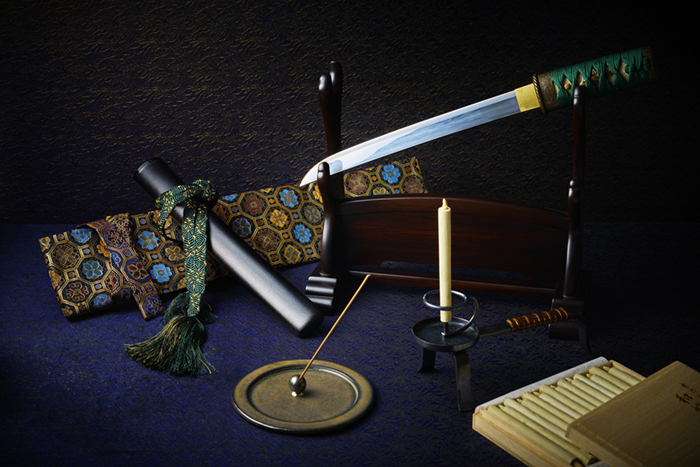
KOTO offers pieces made for those who wish to keep the samurai’s discipline within reach — a Japanese sword and a hand-made candle, produced to order by craftsmen working in traditions two thousand years old. Because each is made individually, no two are ever the same.
- SHARE
-


( philosophy )