






What the Japanese Tea Ceremony Looks Like When You Live in Kyoto
Say “tea ceremony” to someone who has never seen one, and a certain picture usually comes to mind: rigid posture, an exacting sequence of movements, a room where one wrong gesture might draw a disapproving glance. It is not an unreasonable picture. It is also not the whole one.
Live in Kyoto for any length of time, and 茶道 chado — also read sado, both meaning “the Way of Tea” — stops looking like a discipline reserved for specialists. It becomes something closer at hand, folded into the rhythm of an ordinary day.
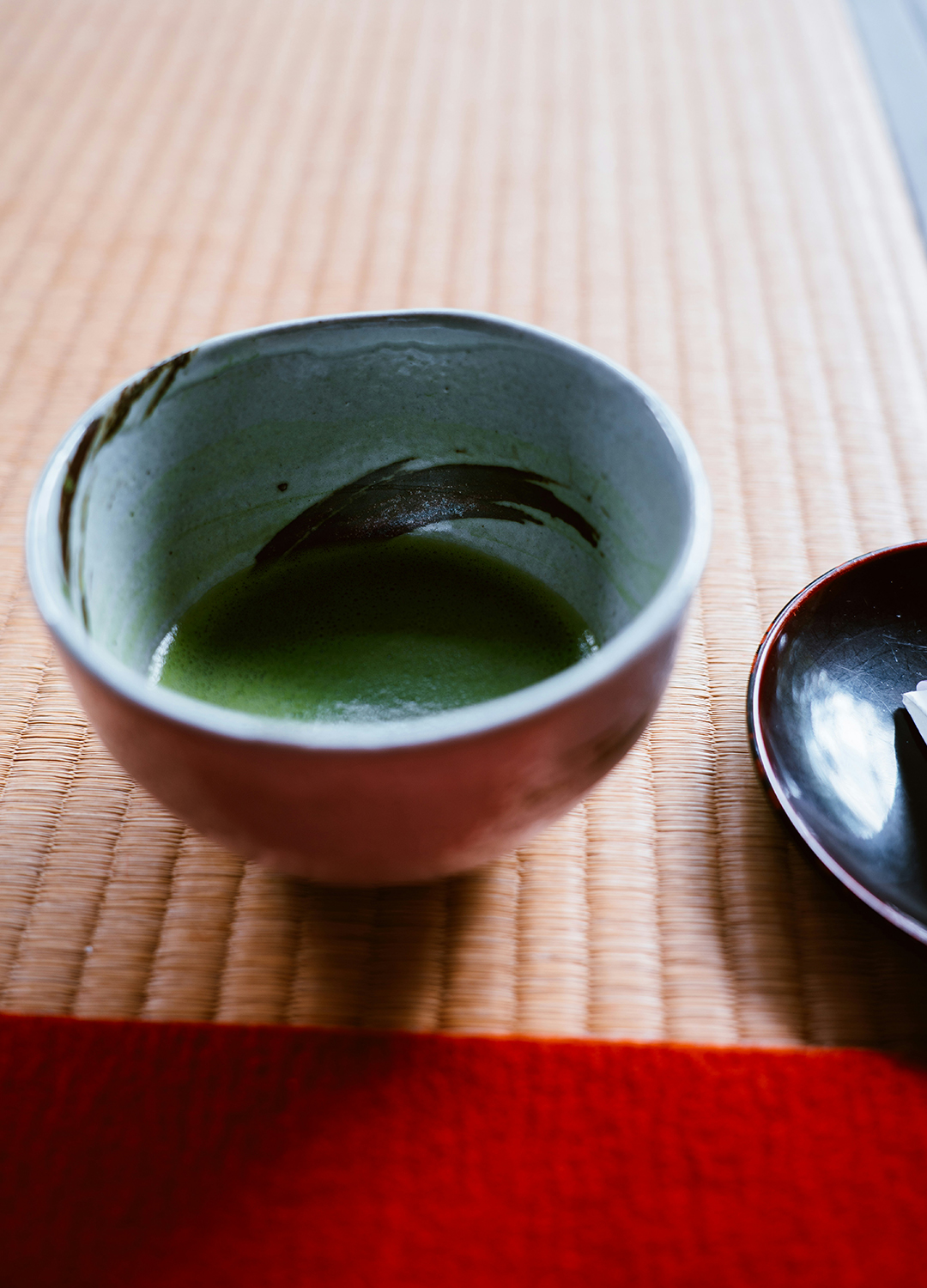
Walk one of the city’s narrow morning lanes and, every so often, the scent of 抹茶 matcha drifts out from behind an old 町家 machiya, a traditional wooden townhouse. Somewhere in the middle of an unremarkable day, a “tea time” turns up on its own. Stop for a moment during a rushed morning, accept a bowl someone hands you, and a strange, loosening calm settles in.
What Chado Actually Is
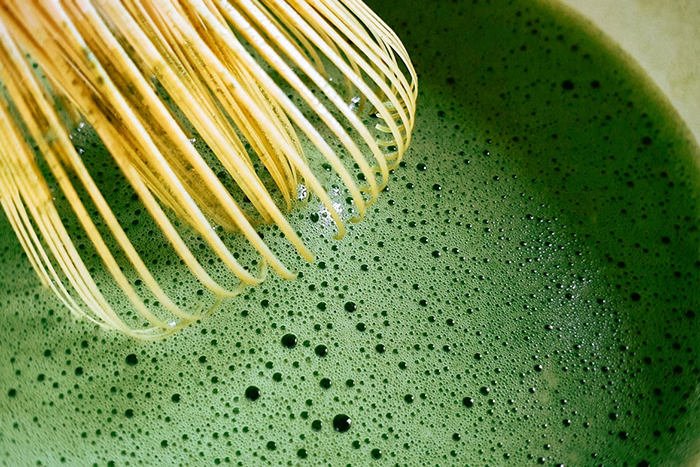
The common assumption is that chado means an exacting method, one where a person must move exactly as the form dictates. In Kyoto, the air around it is, in practice, freer and easier than that.
Chado was also never only about drinking tea. A hanging scroll and flowers chosen to reflect the season. A host’s care worked into every preparation. Meaning built into the tools themselves and into the way they are handled. Everything layers together, and what results is a beauty, and a sense of spaciousness, that belongs to that place and that moment alone.
Foreign friends sometimes ask this author how the tea ceremony is done in Japan. The honest answer, in Kyoto, is that it isn’t a special occasion at all — people enjoy tea informally, all over the city, in the ordinary run of things. “That’s rather lovely,” the reply usually comes back, and there is a small, quiet pride in hearing it.
Two Ways to Take Tea: Ochaseki and Chaji
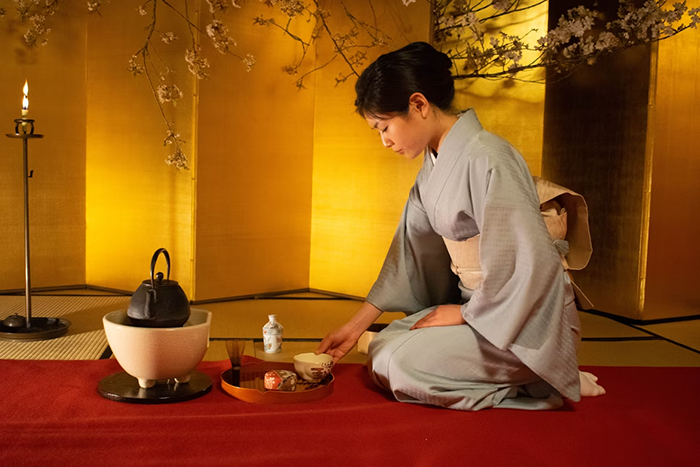
Kyoto’s tea culture runs on two registers: the casual お茶席 ochaseki, a tea sitting, and the more formal 茶事 chaji, a tea gathering. The two are worth telling apart.
Ochaseki: An Easy Pleasure
In Kyoto, 茶会 chakai — tea gatherings — are not confined to temples, shrines, and organized events. Neighborhood associations and circles of friends open a casual ochaseki just as readily, over matcha, wagashi, and sometimes a light meal, 点心 tenshin, taking in the season and the mood of the room along with the tea.
The formal image comes to mind first, but an ochaseki is, as often as not, simply a place people go to talk and laugh. That gap between reputation and reality is one of chado’s real pleasures.
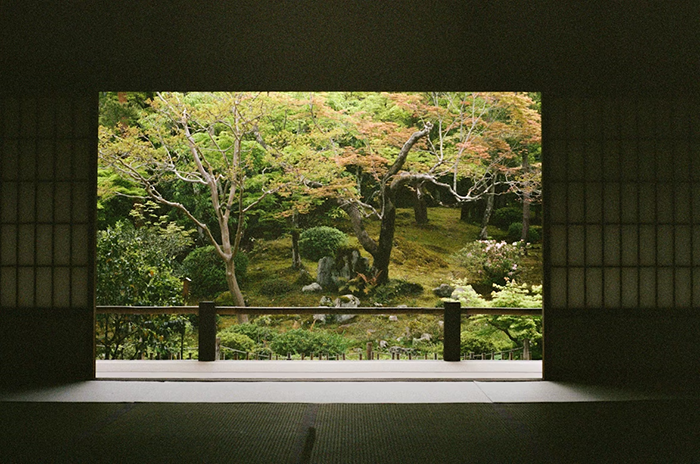
Picture a spring afternoon: sitting along the edge of a machiya’s veranda, a bowl of matcha and a cherry-blossom wagashi in hand, the conversation drifting — “the blossoms came early this year,” “this tea bowl is lovely” — nothing more consequential than that, and somehow it is enough. That kind of afternoon is one of the quieter scenes a Kyoto ochaseki can produce.
Chaji: Hospitality in Its Full Form
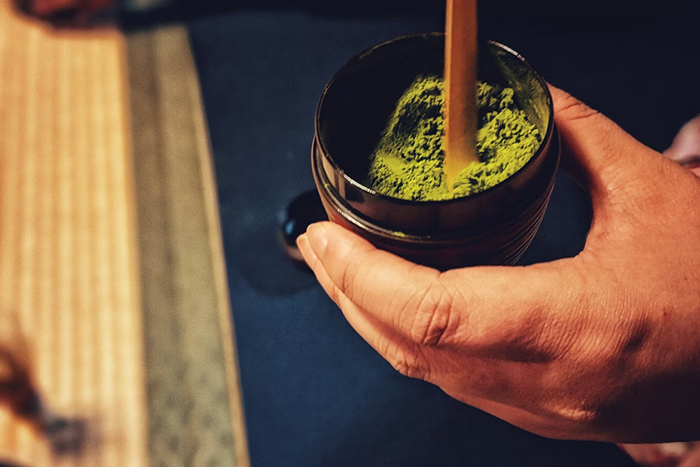
Called 茶事 chaji within chado, this is the more formal register, and the air around it turns correspondingly quiet.
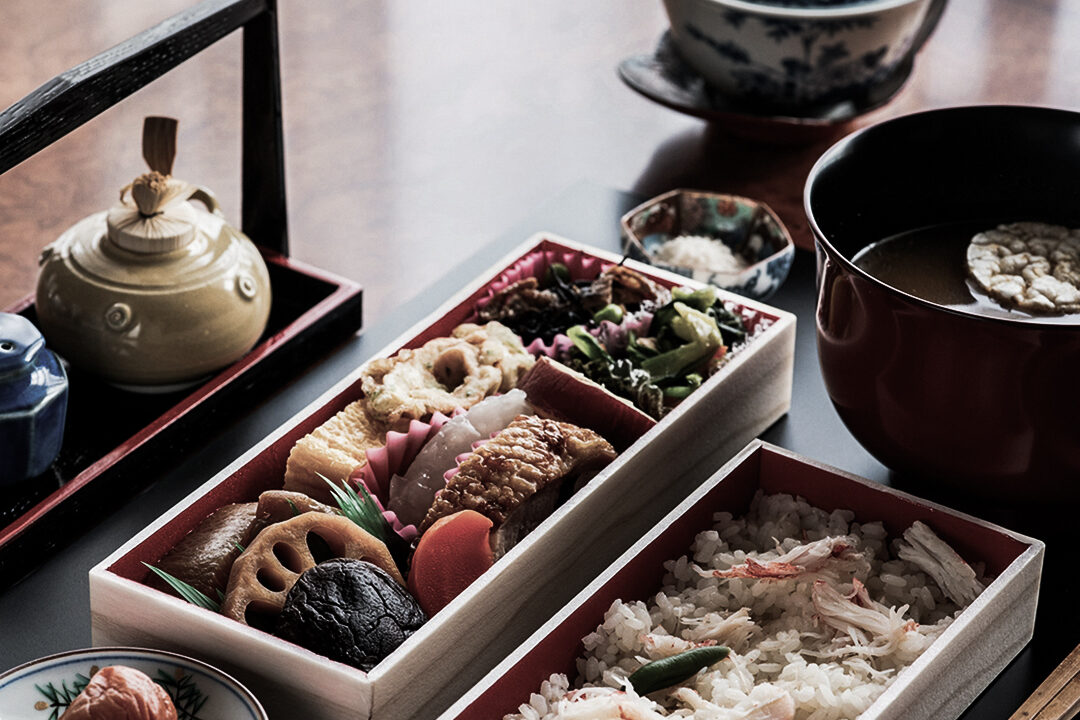
A host prepares a 懐石 kaiseki meal with real care, chooses the season’s flowers, selects the scroll. Every element carries meaning specific to that day, that hour, and no other. A chaji places enormous weight on 一期一会 ichigo ichie — one time, one meeting, the idea that this exact gathering will never happen again. A guest might sit across from a stranger for the first time, or face an old friend in near silence.
To give oneself over to the air of the room, and to sense, through the tea itself, thoughts that would not ordinarily be put into words — that may be something only a Kyoto chaji can offer.
Kyoto’s Three Tea Schools, and the World of Tea Utensils
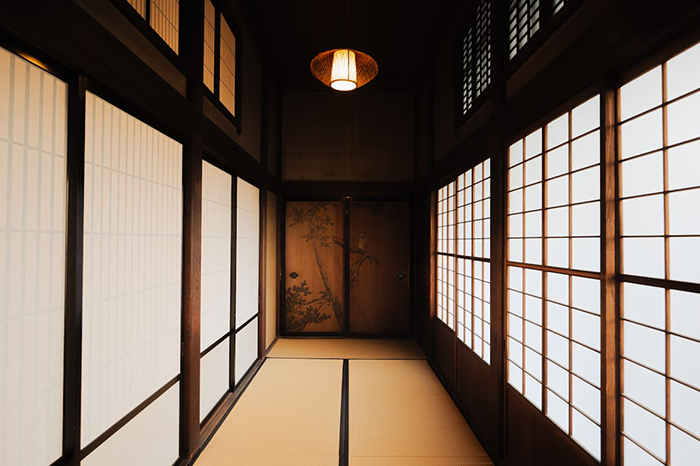
Kyoto is home to three major schools of tea, together known as the 三千家 Sansenke: 表千家 Omotesenke, 裏千家 Urasenke, and 武者小路千家 Mushanokoji-senke. Walk the city and small signboards, and the modest tea rooms belonging to each head family, sit unassumingly among the ordinary streetscape. Recognizing one — “so this is the head house of that school” — can bring an unexpected swell of pride.
The tools used within chado run just as deep. A single 茶碗 chawan, or tea bowl, looks entirely different depending on which artist or kiln made it. Finding a bowl one genuinely likes can brighten an entire day; that kind of encounter with an object is one of chado’s pleasures in its own right.
Beyond the bowl: the 茶杓 chashaku, a tea scoop, and the 茶器 chaki, the container for the tea itself; the 釜 kama, an iron kettle, and the 水指 mizusashi, a water jar; the 掛け軸 kakejiku, hanging scroll, and the 花入れ hanaire, flower vase. Each one carries a long history and the accumulated thinking of the craftsmen who made it. Many practitioners look forward, before a gathering has even begun, to which utensils will be used to serve the tea that day. Spend enough time with the depth behind these objects, and Kyoto’s streets themselves start to look like a living museum.
What Remains
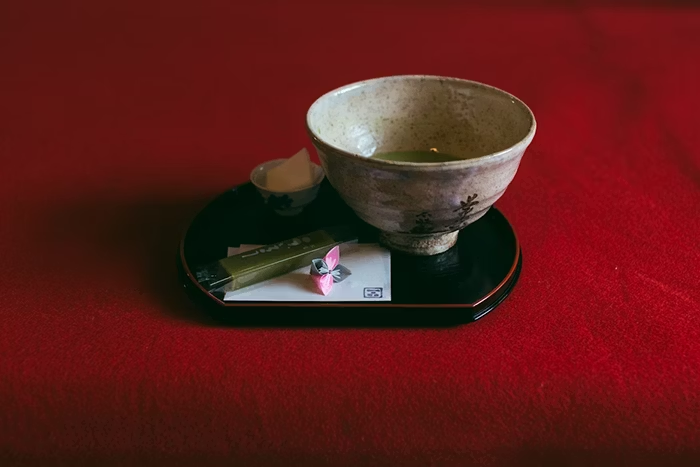
The chado handed down in Kyoto was never only about preserving a tradition or a set of forms. It lives inside something plainer: the effort to notice a passing moment, and the quiet way people turn toward each other. Both sit inside daily life, unremarkably.
Every now and then, it is worth relaxing one’s shoulders and trying a seasonal wagashi with a bowl of matcha at home. And for anyone visiting Kyoto, it is worth stepping into a machiya café or a small tea room along the way. Chado, it turns out, was closer than it looked.
KOTO is a journal of Japanese craftsmanship, culture, and the aesthetic sense behind them.
- SHARE
-


( food )