








Wagashi: Japan’s Traditional Sweets, Made to Taste Like the Seasons
What Wagashi Actually Are
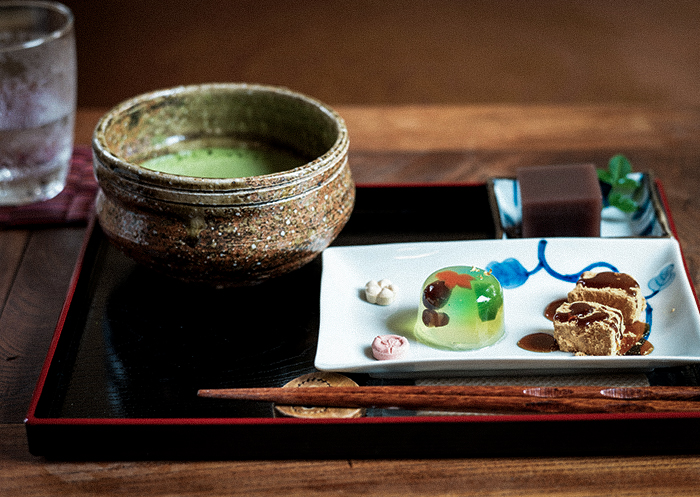
和菓子 wagashi — Japan’s traditional sweets — are built around a single idea: sugar is not the point, the season is. Each variety is designed to carry a specific moment of the year in its color, its shape, or its scent, so that eating one becomes a way of tasting how the seasons are turning. That link to season, and to the calendar’s yearly rituals, is what most separates wagashi from confectionery elsewhere, and it is the thread running through everything below — from the ingredients themselves, to the sweets Kyoto built around the tea ceremony, to what a box of wagashi means when it is handed to someone as a gift.
Wagashi Against Western Sweets: What’s Actually Different
Ask what separates wagashi from Western-style confectionery — 洋菓子 yogashi — and the answer starts with what goes into them. Western sweets are built on butter and cream. Wagashi are built on rice, 小豆 azuki — red beans, 寒天 kanten — a plant-based gelling agent made from seaweed, and sugar.
These are ingredients drawn from the land rather than dressed up with dairy fat, and the sweetness they produce is not showy. It carries little of the punch a Western pastry delivers up front, and instead opens slowly and settles into something deeper. That restraint is, in itself, a piece of Japanese sensibility.
It also happens to be lighter. Because wagashi lean on plant-based ingredients, they carry comparatively little fat, and their sweetness tends to be kept in check rather than maximized. That combination lines up well with a health-conscious modern diet, and it is a real part of why wagashi have drawn international attention. To an eye used to rich cream and sugar confections, wagashi read as something else entirely — sweets whose refined color and restrained sugar feel genuinely unfamiliar. Tasting one is a way of brushing up against Japanese aesthetics and a Japanese relationship to nature at the same time, and that is a large part of the appeal wagashi hold for people encountering them from outside Japan. The ingredient list is short, but very little about wagashi is actually simple: the entire discipline is what a maker can do with rice, beans, and sugar once flashiness and dairy fat are taken off the table.
Wagashi Through the Seasons
Wagashi’s real subject is the calendar. Spring brings 桜餅 sakura mochi — a pink, cherry-blossom-scented rice cake. Summer brings ちまき chimaki — a rice dumpling wrapped in bamboo leaf, prized for its cool, refreshing character. Autumn brings おはぎ ohagi — a rice cake coated in coarse sweet red bean paste, tied to the pleasure of the harvest. Winter brings 羊羹 yokan — a dense, firm sweet made from red bean paste and kanten, valued for its deep, concentrated sweetness. Eating a sweet built around each season’s scene is how Japanese people have long practiced noticing the year turn.
The connection to the calendar reaches beyond the four seasons themselves, into specific festivals. 柏餅 kashiwa mochi — a mochi filled with red bean paste and wrapped in an oak leaf — appears at 端午の節句 Tango no Sekku, the Boys’ Festival held on May 5. 菱餅 hishi mochi — a diamond-shaped rice cake layered in pink, white, and green — appears at ひな祭り Hinamatsuri, the Doll Festival held on March 3. And celebratory sweets mark 七五三 Shichi-Go-San, the rite of passage observed by children turning three, five, and seven.
Wagashi, in other words, sat at the center of the celebration itself, adding a note of joy to the occasion. Eating one was a way of inviting good fortune and confirming a family’s bond, in the same gesture. That role has not disappeared. Visit a wagashi shop, a mochi shop, or a manju shop today and the seasonal, limited-run sweets are still there, built from whatever is in season — proof that the custom is very much alive. For a visitor from outside Japan, wagashi amount to a way of tasting the season directly, without translation.
Wagashi by Region
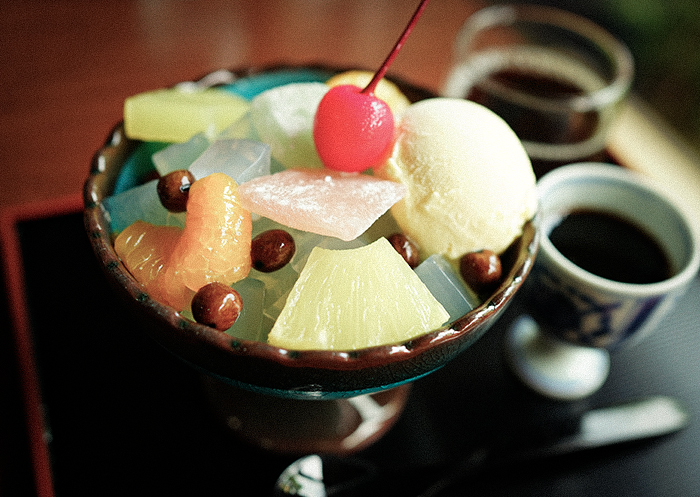
Wagashi also vary by geography. In snow country, where sweets need to survive a long season, mochi and 干菓子 higashi — dry sweets built for long storage — are the local specialty. In warmer regions, by contrast, wagashi tend toward brighter color and more distinctive design. The logic tracks the climate: a town cut off by snow for months at a time needed sweets that would still be good to eat when the roads reopened, and preservation became the priority the local craft was built to solve. A milder region never had to answer that question, so it had more room to let color and design lead instead. The same category of sweet carries a different character depending on where it was made, and tracing why — climate, local history, local custom — is its own way into understanding the country.
Kyogashi and the Tea Ceremony: Edible Art
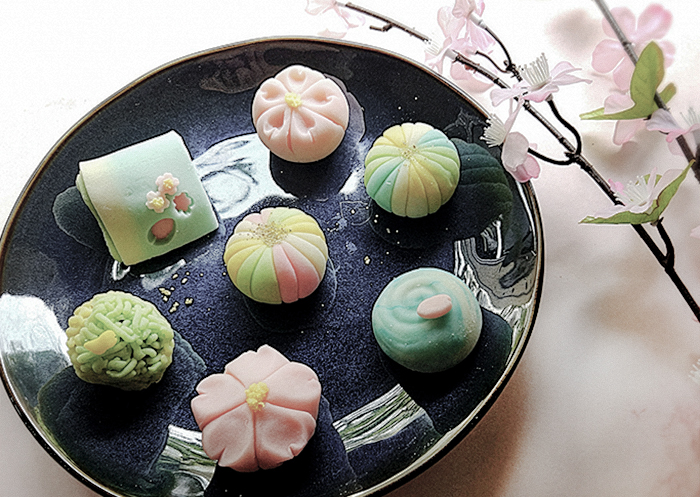
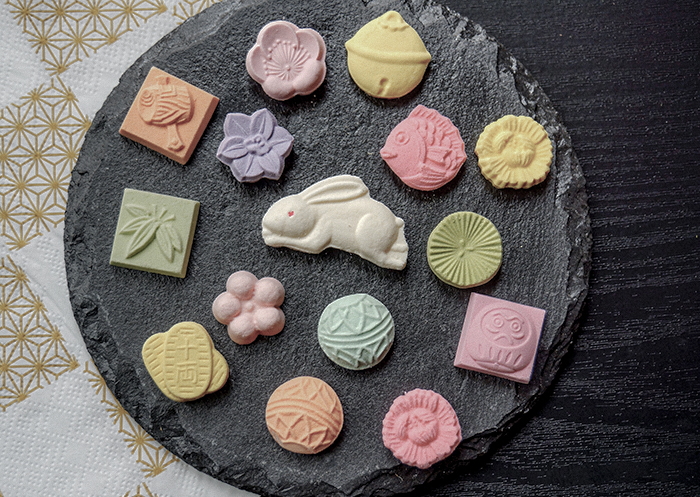
Fresh wagashi made in Kyoto go by their own name — 京菓子 Kyogashi — and they are inseparable from 茶道 sado, the Japanese tea ceremony. Two forms represent Kyogashi above all others: 練り切り nerikiri and 干菓子 higashi.
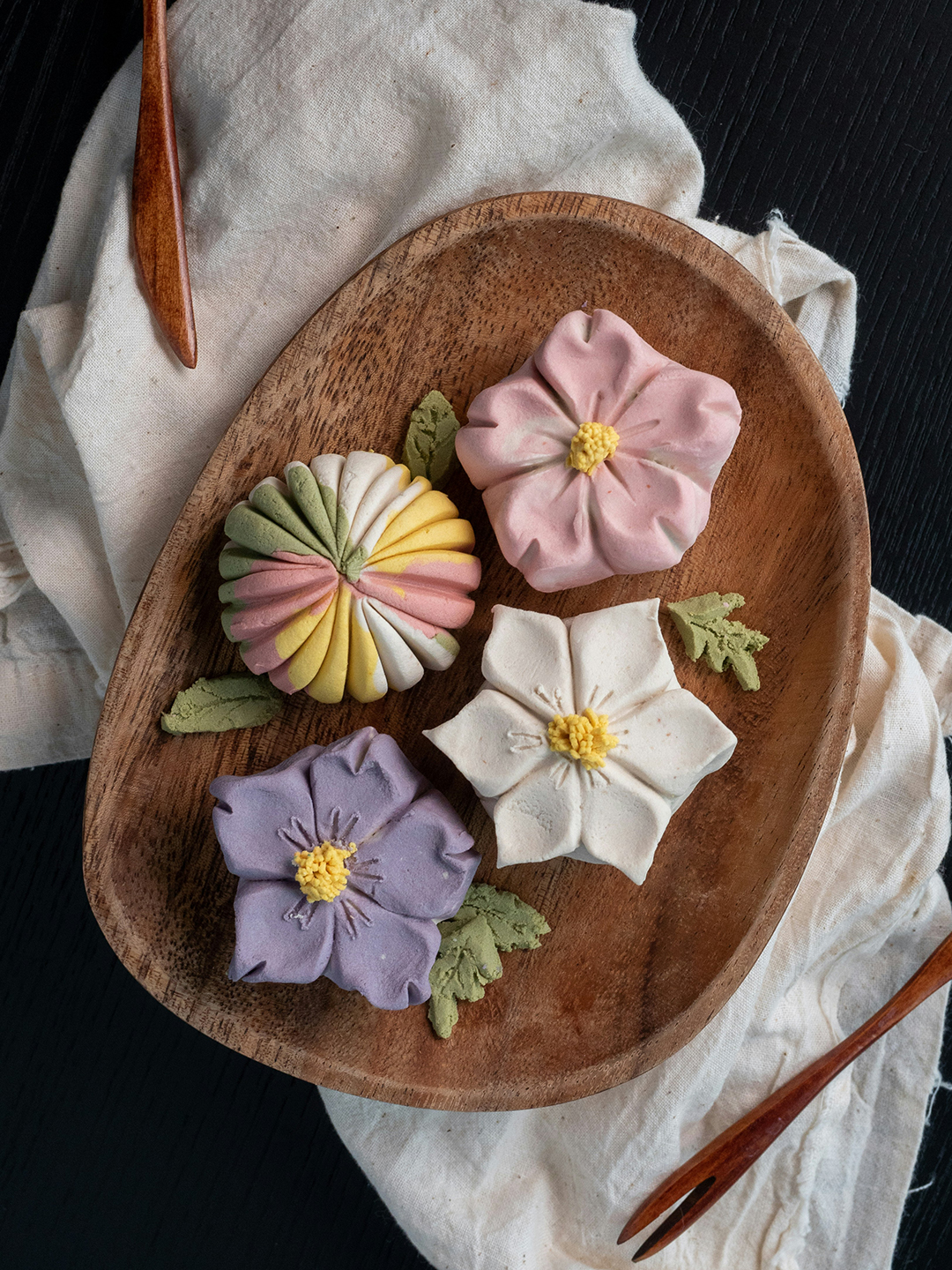
Nerikiri is built from 白あん shiro-an — white bean paste — colored with natural pigments and worked by hand into flowers, birds, or landscapes. The shapes are intricate enough to look like a piece of craft rather than food. Taste one and a pale sweetness spreads across the tongue and fades quietly away. It is a sweet meant to be looked at first and only then eaten — as close to “edible art” as a confection gets.
Higashi, by contrast, is a dry sweet built mostly from sugar, worked in a wide range of colors with the same fine craftsmanship. Because it keeps well, a higashi can hold its seasonal design for a long stretch of time — the same preservation logic seen in snow-country wagashi, here put to a more decorative purpose — and its light texture and refined sweetness leave whoever eats it feeling quietly settled.
Kyogashi has walked alongside the tea ceremony for as long as it has because both share a single value: noticing season and nature through a small, deliberate gesture. A wagashi served during a tea gathering enriches the room without a word being said, carrying feeling to the guest that the host does not have to voice. That is a cultural function well beyond anything “sweet” normally implies.
An Influence Beyond Japan
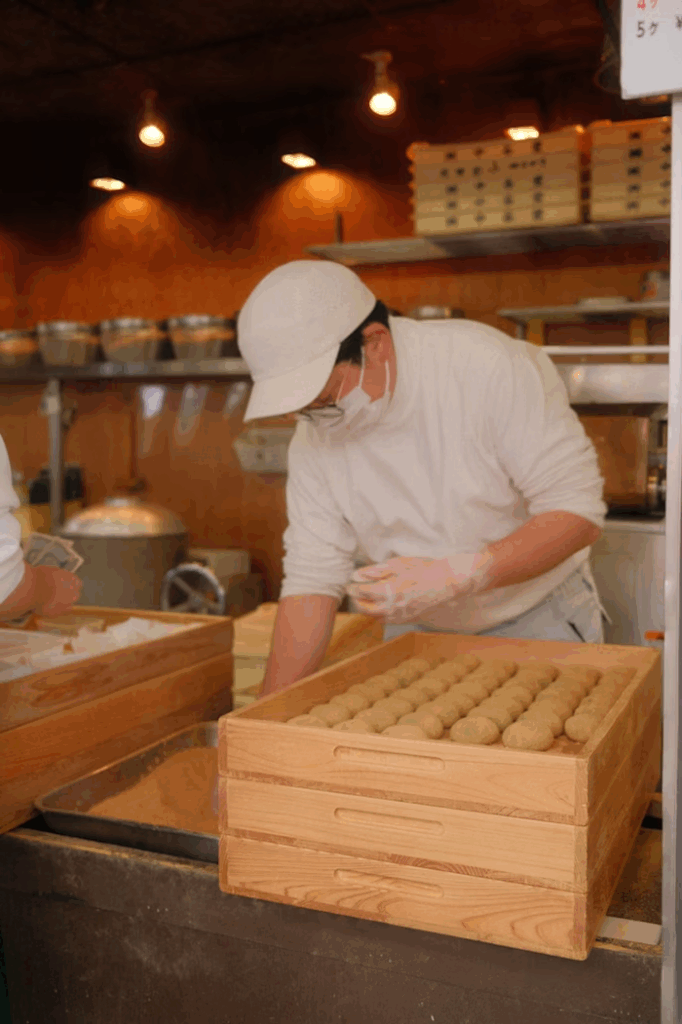
Kyogashi’s reach extends to pastry chefs working outside Japan as well. Nerikiri’s sense of color and higashi’s approach to design are already shaping how contemporary art and Western confectionery decoration are being made elsewhere. The way Japan’s exacting aesthetics and craftsmanship are spreading worldwide is, in large part, Kyogashi doing what it has always done — just for a wider audience.
Wagashi as a Gift
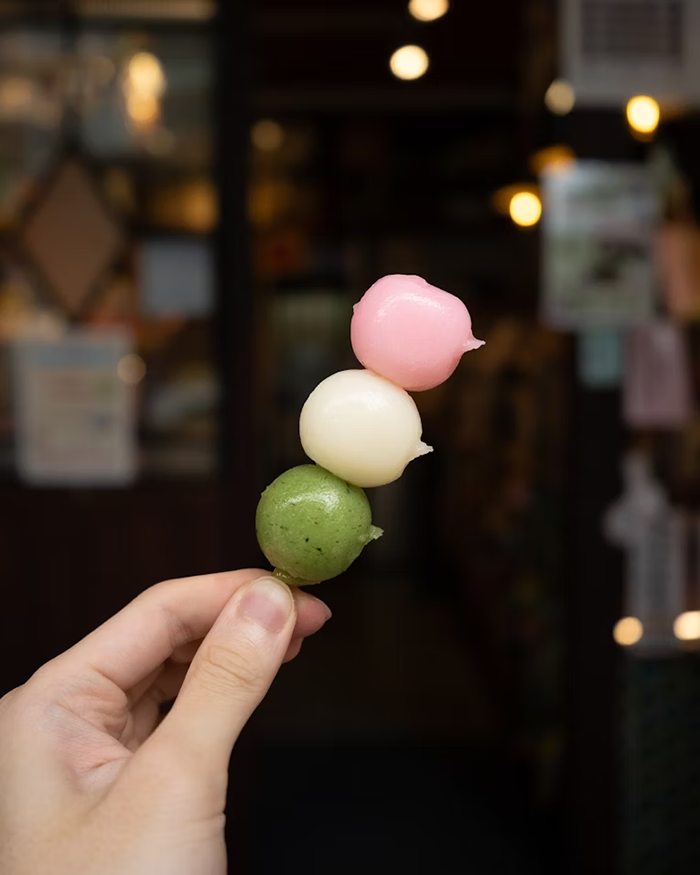
Wagashi carry one more role worth naming: the gift. A wagashi set arrives in a beautiful presentation box, and the moment of opening it is designed to catch the breath — the sweets sit inside as carefully as jewelry in a case. Then comes the first bite, and a delicate flavor and texture spreads through the whole experience. Delivering that particular arc of feeling to another person is, in its way, a distillation of a country that has always taken the culture of giving seriously — the box, the wrapping, and the sweet inside are all made to work together, so that the gift communicates something the giver may never say out loud.
Closing: Wagashi as a Way Into Japanese Culture
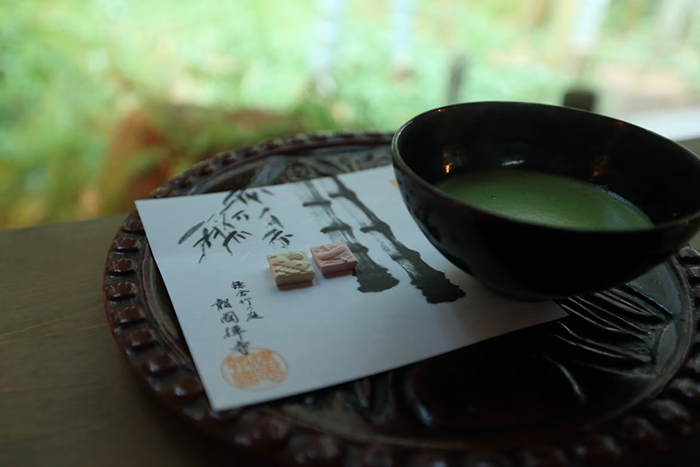
Wagashi are, in the end, a culture that happens to be sweet. Built into them is an appreciation for the beauty of the four seasons, a respect for nature, and a consideration for the person receiving them. Kyogashi’s nerikiri and higashi are the crystallization of fine technique and aesthetic judgment; seasonal sweets like sakura mochi and kashiwa mochi are symbols marking the turning points of ordinary life.
For someone encountering it from outside Japan, wagashi function as a first step into Japanese culture — an invitation into a sweet, deliberate art form. Holding one in hand is enough to bring Japan’s seasons and traditions immediately close.
In recent years, cross-border e-commerce has made it possible to buy wagashi from outside Japan altogether — a purchase that has become one more way for people abroad to feel close to Japan’s traditional culture and its sense of the seasons.
KOTO is a journal of Japanese craftsmanship, culture, and the aesthetic sense behind them.
- SHARE
-


( food )