







Yasaka Shrine, Kyoto: The Head Shrine Behind the Gion Matsuri
Japan is not short of famous shrines — Itsukushima Shrine, Izumo Taisha and Ise Jingu are known across the country. 八坂神社 Yasaka Jinja, Yasaka Shrine, belongs in that company for a different reason: it is the 総本社 sohonsha, the head shrine, of roughly 2,300 Yasaka shrines nationwide, and it draws about one million visitors a year. Even so, a great many travelers who have spent time in Kyoto have never actually walked through its gate.
This article sets out the charm of Yasaka Shrine and how to experience it today — its architecture and history, and the ways people enjoy visiting it now.
What Is Yasaka Shrine
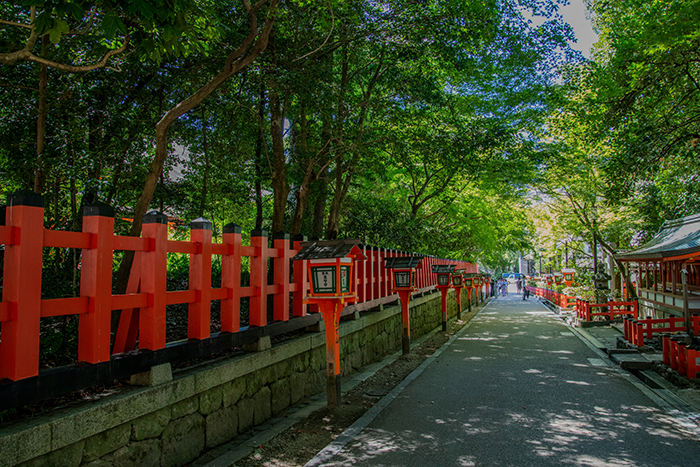
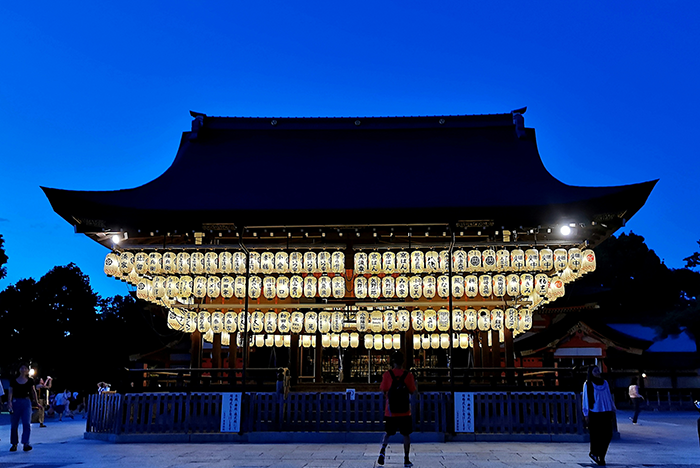
Yasaka Shrine stands at the eastern end of 四条通 Shijo-dori, one of Kyoto’s main streets, at 625 Gion-machi Kitagawa, Higashiyama-ku, Kyoto City, Kyoto Prefecture.
Accounts of the shrine’s founding differ, and the shrine itself presents two. One holds that in 656, the second year of Empress Saimei’s reign, an envoy from Goguryeo named Irishi came to Japan and enshrined here スサノオノミコト Susanoo-no-Mikoto, the deity of Mt. Gozu in Silla. The other dates the founding to 876, when Enyo, a monk from Nara, built a hall on the site — the same year the deity of Gion is said to have descended on the Gion grove at the foot of Higashiyama.
What made the shrine widely known came shortly after. In 877, as plague spread through the capital, prayers were offered at the “small shrine of Higashiyama” — the Gion-sha — and the outbreak is said to have subsided.
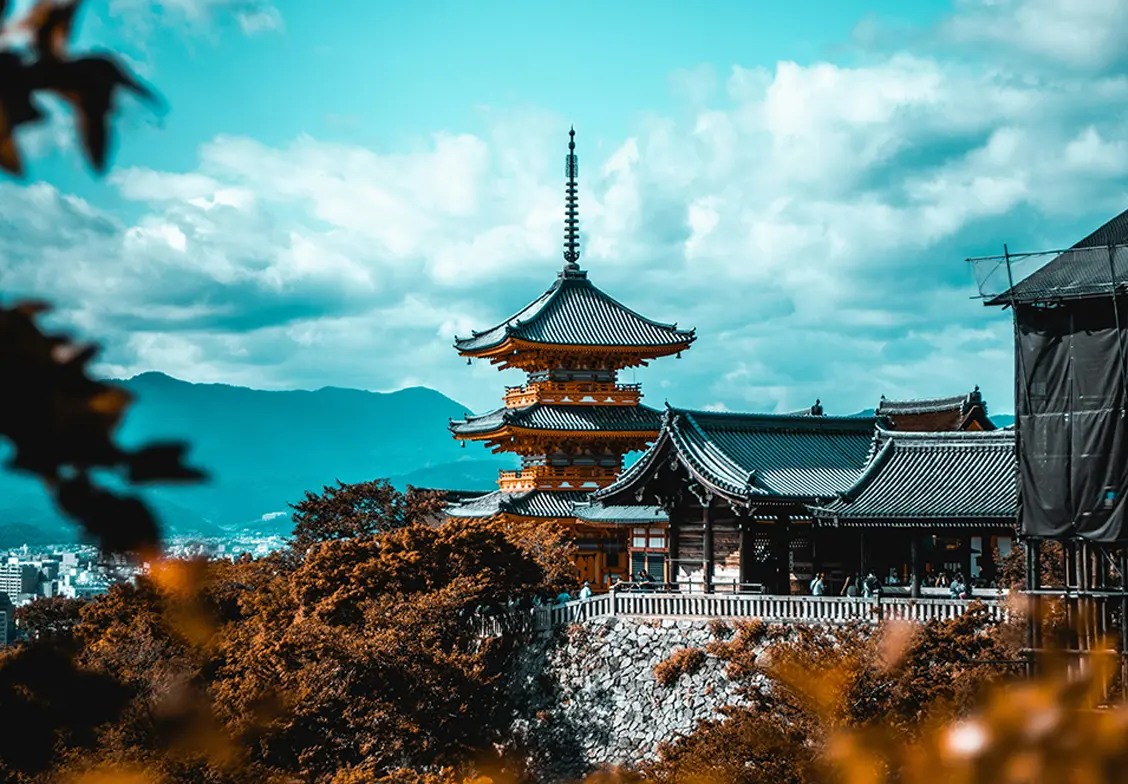
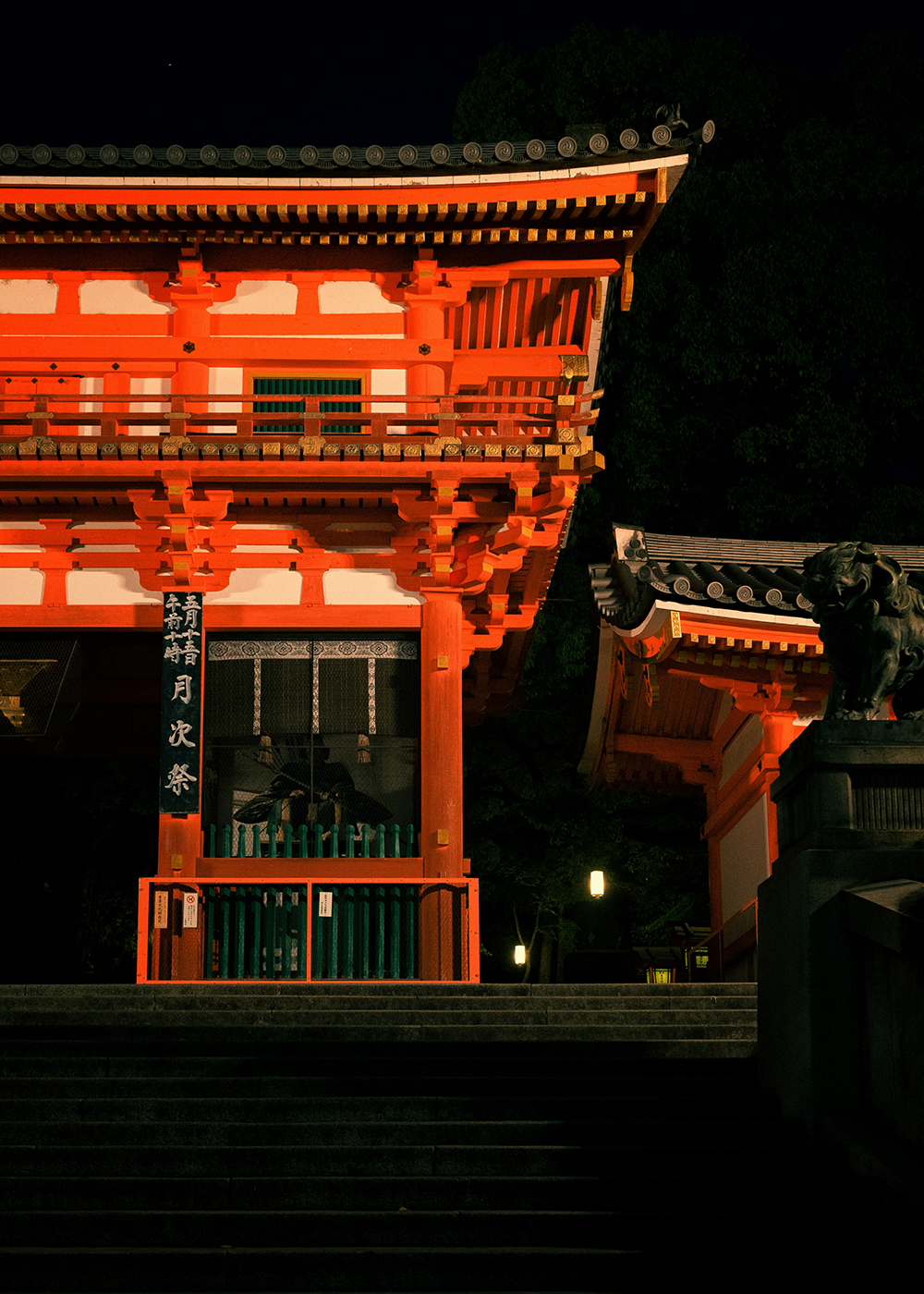
本殿 honden , the main hall standing today, was rebuilt in 承応三年 Joo 3 (1654) by the fourth Tokugawa shogun, Ietsuna, and was designated a National Treasure in 2020. It carries forward a form the shrine has held since the Heian period (794–1185), and the resulting structure is unusually intricate: 拝殿 haiden, the worship hall, is covered by a single roof, with 又庇 matabisashi — extended eaves — reaching out around it to form several small chambers, a style known as 祇園造 Gion-zukuri.
The large pond beneath the honden is said to be 青龍が棲む龍穴, the dragon hole where the blue dragon dwells.
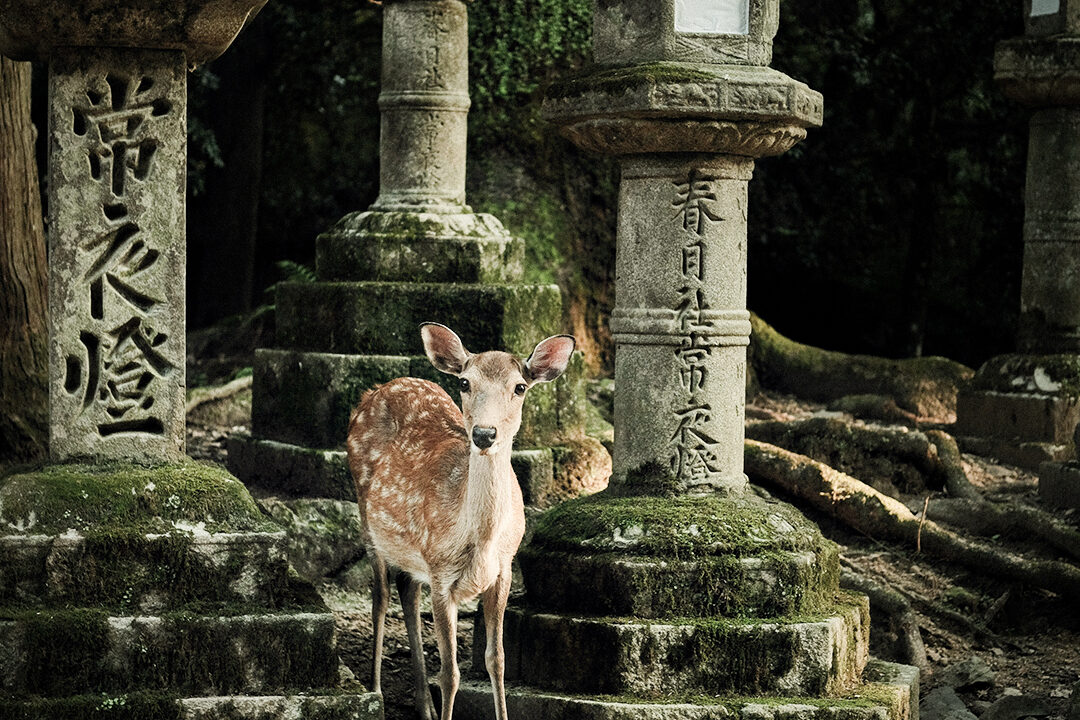
The grounds also hold nearly twenty auxiliary shrines, among them 疫神社 Ekijinja, 太田社 Ota-sha, 大国主社 Okuninushi-sha, and 常盤神社 Tokiwa Jinja.
The Charm of Yasaka Shrine, and How to Enjoy It Today
From here, the ways people experience Yasaka Shrine today.
A Blessing for Beauty
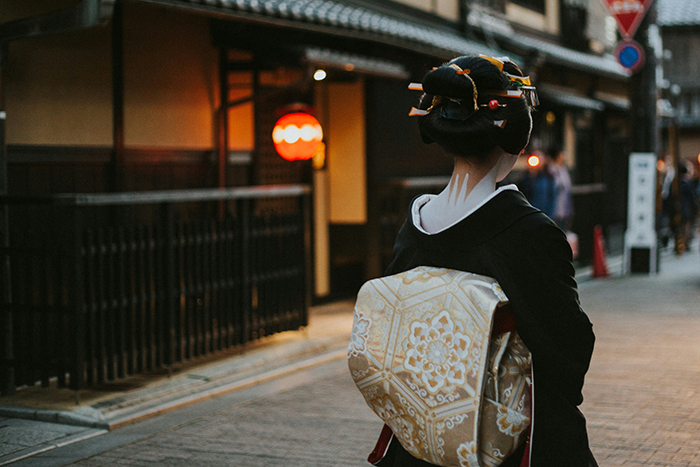
Interest in beauty today crosses gender lines, and a shrine believed to bless beauty is, for many, reason enough to visit.
Within the grounds stands 美御前社 Utsukushi Gozen-sha, built in 1591. The spring water there, known as 神水 shinsui, is said to work as a beauty water: applying it to the skin is said to carry its blessing. The tradition is said to trace to three goddesses enshrined there for their renowned beauty — 多岐理毘売命 Tagiribime no Mikoto, 多岐津比売命 Tagitsuhime no Mikoto, and 市杵島比売命 Ichikishimahime no Mikoto. Visitors with an interest in beauty are worth pointing here.
The Gion Matsuri

For many, Yasaka Shrine is inseparable from the image of the 祇園祭 Gion Matsuri.
Widely known as a summer festival, it is said to have begun in 869 — more than 1,000 years ago. It runs for a full month, from the 吉符入 Kippu-iri rite on July 1 to the 疫神社夏越祭 Ekijinja Natsukoshi-sai, the summer-purification rite at Ekijinja, on July 31, and draws an estimated 500,000 to 800,000 visitors each year.
Its high points come twice: the 神幸祭 Shinko-sai, the earlier procession, on July 17, and the 還幸祭 Kanko-sai, the later procession, on July 24. Between them, three 神輿 mikoshi — portable shrines — and 34 山鉾 yamahoko floats fill the streets, including yamahoko weighing as much as 12 tons and standing roughly 25 meters tall. Around 1,600 people in total carry the mikoshi and pull the floats through the city, making this the festival’s centerpiece.
Food Near Yasaka Shrine
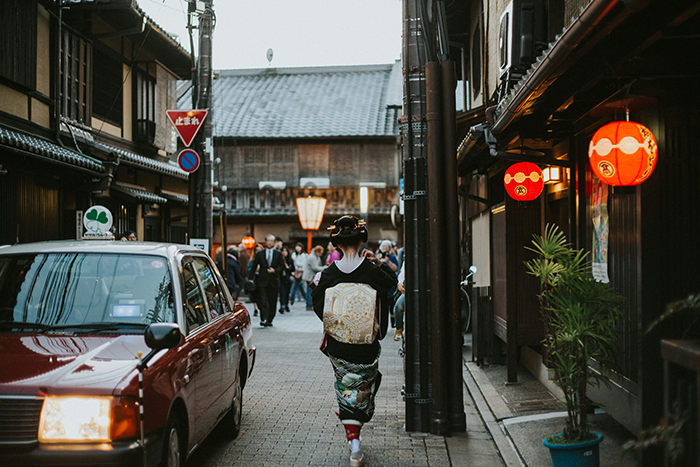
A shrine is, first, a place to visit and pay respects. But today, pairing that visit with a meal nearby has become the standard way to spend the day. A number of good restaurants operate around Yasaka Shrine — two are worth naming.
Izuu 「いづう」— A Noted Mackerel-Sushi Restaurant
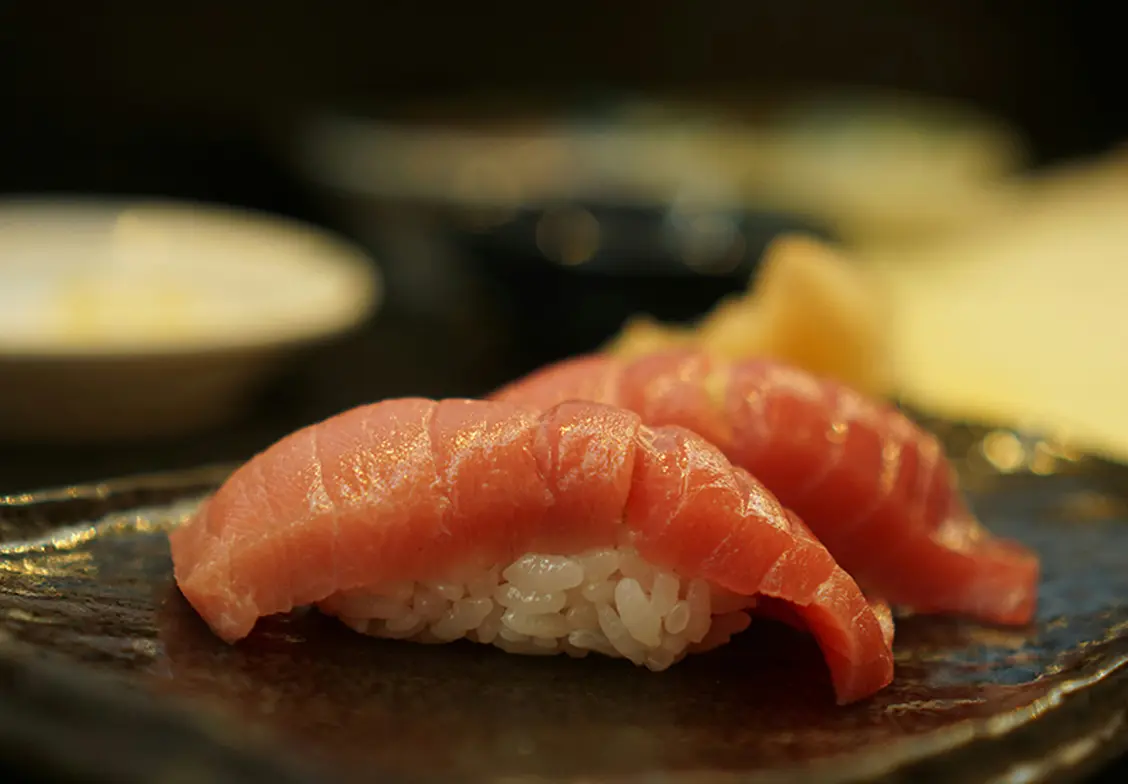
A three-minute walk from Gion-Shijo Station, right by Yasaka Shrine, Izuu is a long-established 寿司 sushi restaurant founded in 1781. Its 鯖寿司 saba-zushi — pressed mackerel sushi — grilled 鰆 sawara (Spanish mackerel), and 小鯛の箱寿司 kodai no hako-zushi, small sea bream pressed into box sushi, are all exceptional.
Kanesho 「かね正」— A Noted Kansai-Style Grilled Eel Restaurant
A two-minute walk from Gion-Shijo Station, also by Yasaka Shrine, Kanesho is known as a specialist in eel. Its Kansai-style grilled unagi — crisp outside, tender within — is excellent, and two dishes draw particular praise: 錦糸丼 kinshi-don, piled generously with shredded egg crepe, and まむし丼 mamushi-don, doused with plenty of sauce.
In Closing
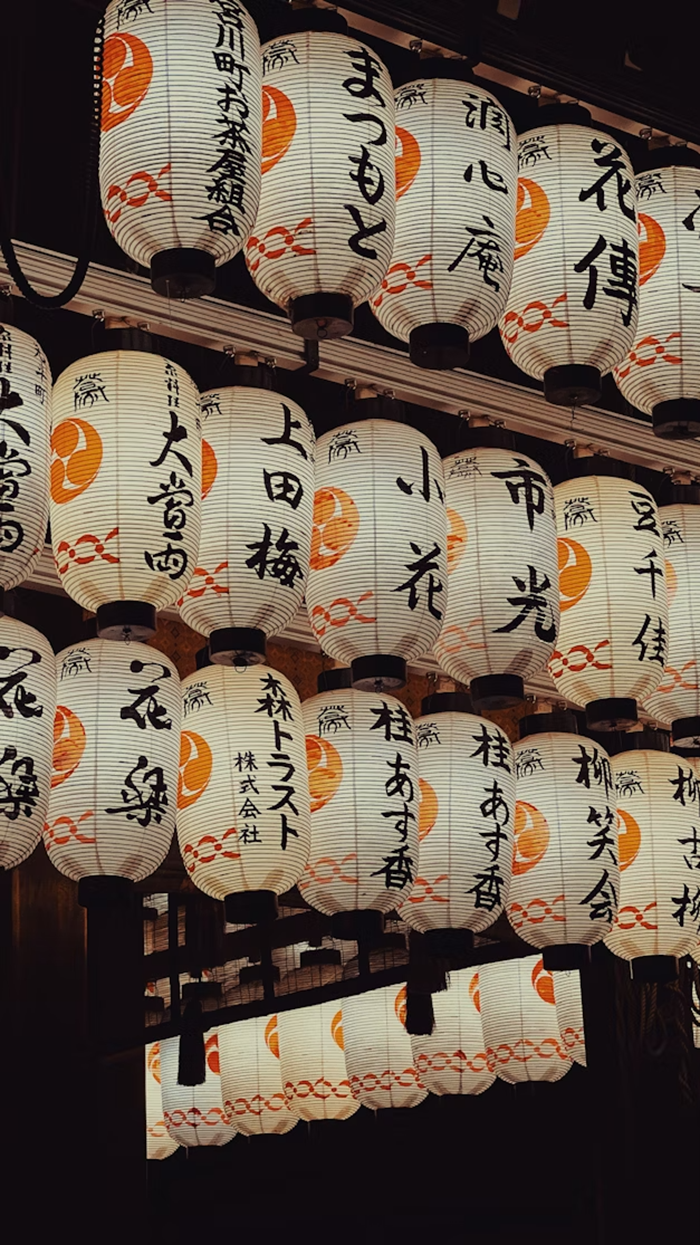
Kyoto holds some 800 shrines, and among them, Yasaka Shrine ranks near the top in both fame and popularity — for reasons that include:
– Its scenery: stone paths, stone lanterns, cherry blossoms, and autumn leaves
– A blessing for beauty
– A wide range of 御朱印 goshuin — shrine stamps
– The Gion Matsuri
– Good food nearby
Given all of that, Yasaka Shrine is worth a visit.
KOTO is a journal of Japanese craftsmanship, culture, and the aesthetic sense behind them.
- SHARE
-


( landscape )