














Kumiko: Japanese Wood-Joinery Craft Made Without a Single Nail
組子 kumiko is a traditional Japanese woodworking craft characterized by intricate geometric lattice panels.
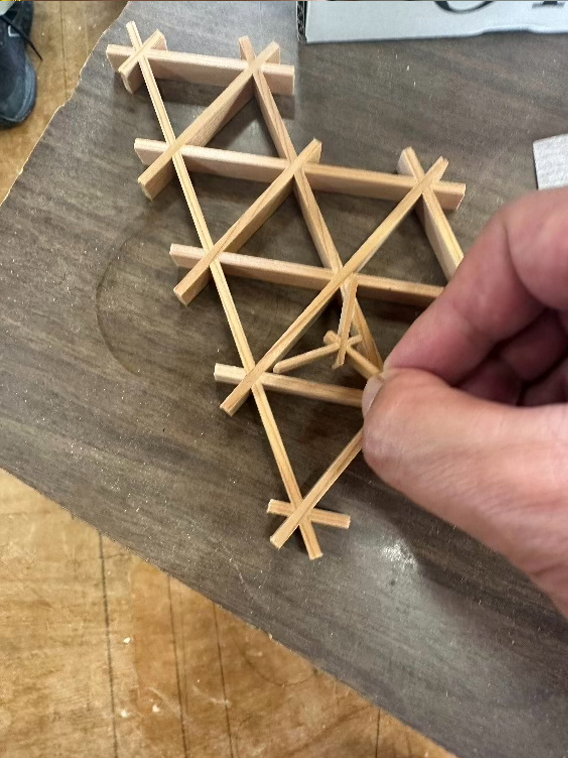
Held against the light, the timber reveals a refined geometric pattern, crafted without nails, screws, or adhesive. Every joint is sustained entirely by wood itself.
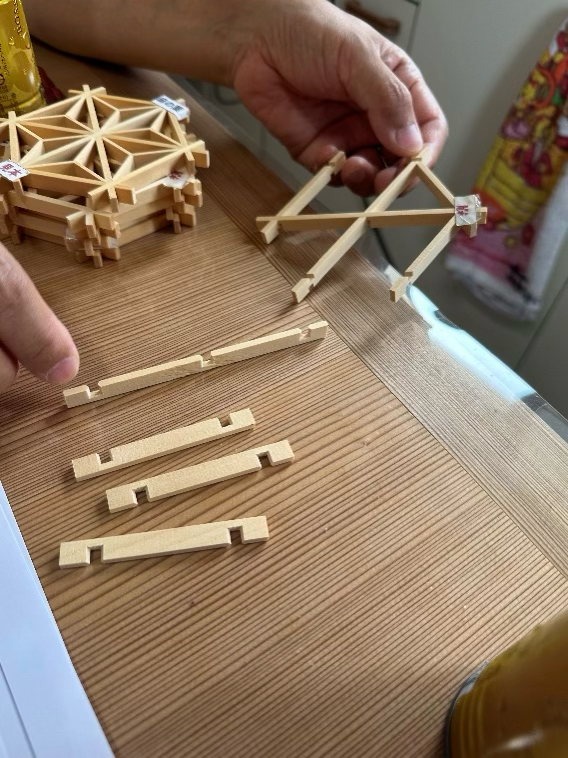
Crafted from precisely cut wooden components, each piece fits together seamless edge to edge without fasteners.
Once assembled, these patterns capture light and cast subtle shadows with a depth no flat surface can replicate.
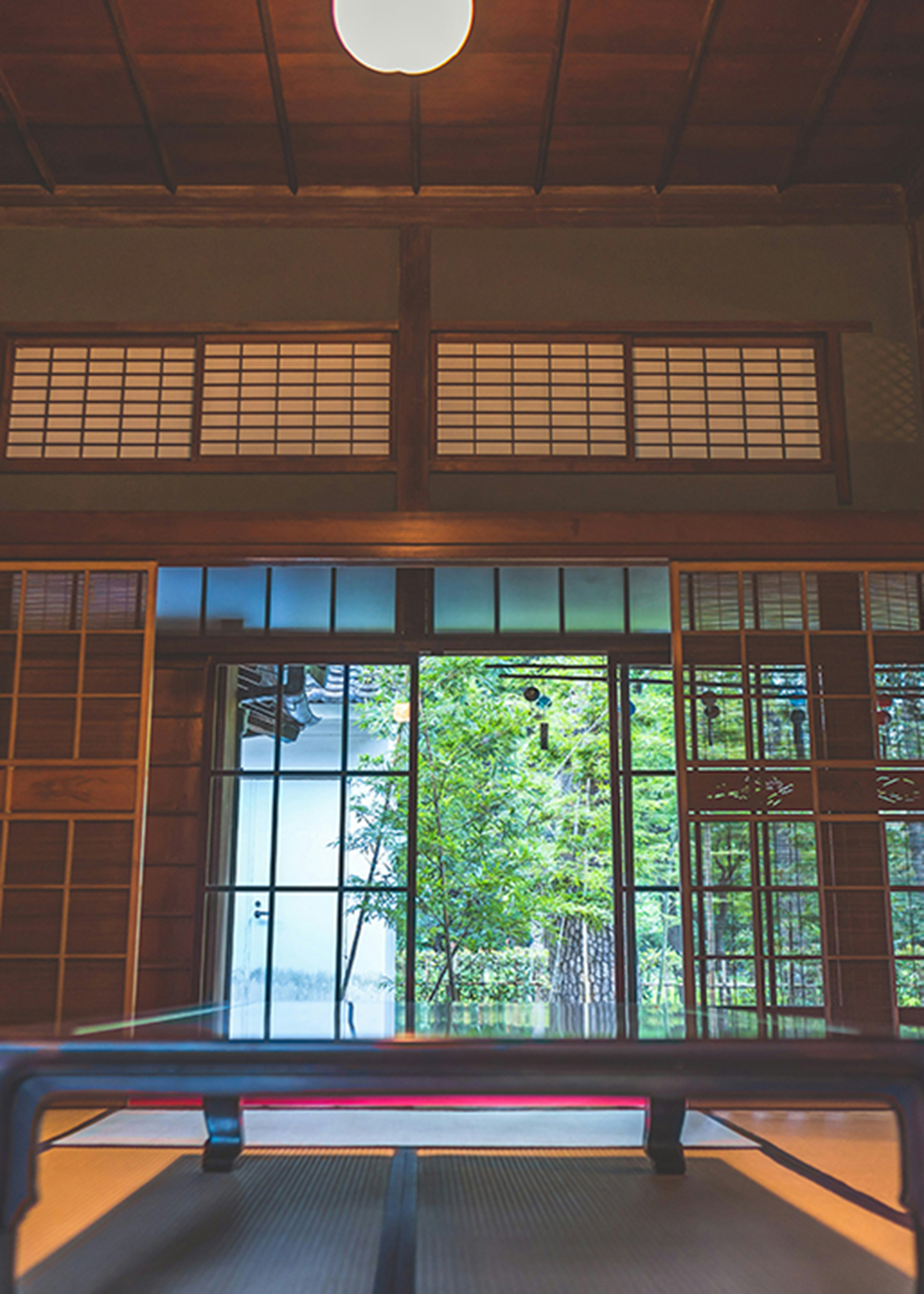
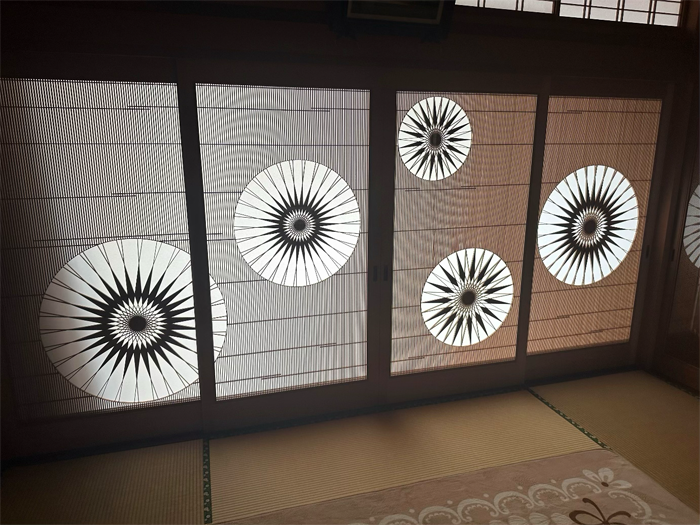
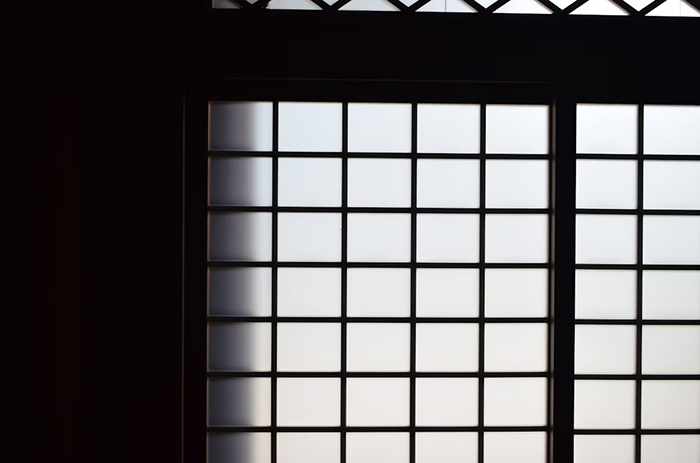
Preserved for over a millennium, this technique historically adorned 障子 shoji, sliding screens and 欄間 ranma transom panels set above a doorway or between rooms, designed to invite light and airflow between quiet spaces.
組子 kumiko has moved well beyond the traditional Japanese room. It now turns up in lighting fixtures, furniture, and even coasters, and it has found an audience abroad, in interiors that have nothing else Japanese about them. What follows is the history behind the craft, what the joinery actually demands of the people who practice it, and how a technique built for shoji screens ended up in hotel lobbies on the other side of the world.
Where Kumiko Comes From
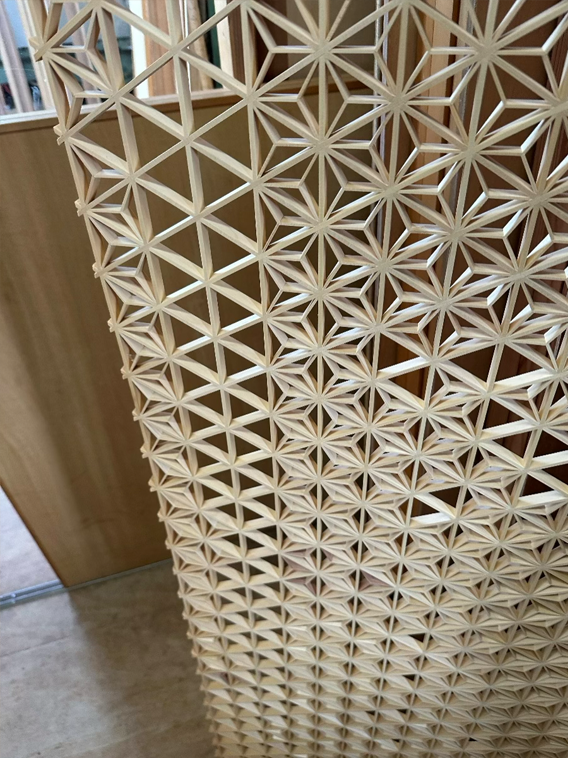
組子 kumiko is said to trace back to building techniques of the Asuka period (592–710), one of the earliest eras in which Japan developed its own architectural style. In its early use, the craft belonged to temples and the residences of the aristocracy, where it appeared as the lattice work of 障子 shoji screens and 欄間 ranma transoms — a way of dividing a room, or a wall from the light outside it, without ever fully closing it off. What made it distinctive from the start was precision: the wood is worked to tolerances of about a millimeter, and it is that precision, not any adhesive or fastener, that lets the joints hold their strength while the finished pattern stays visually light.
Many of the traditional patterns were also chosen for what they were believed to represent. 麻の葉 asanoha the “hemp-leaf” pattern, a repeating diamond named for the shape of the hemp plant’s leaves, and 亀甲 kikkou the “tortoise-shell” pattern, built from linked hexagons are among the best known. Patterns like these were valued as more than ornament: many were understood to be auspicious, carrying associations with warding off misfortune and with prosperity. Over the centuries, kumiko developed alongside the aesthetic sensibilities and the domestic life of each era it passed through, which is part of why the vocabulary of patterns grew as large as it did.
The Joinery Itself, and What It Demands of a Craftsman
A 組子 kumiko panel comes together only in the hands of a craftsman who has fully learned the behavior of the wood. Each piece must be read for the direction of its grain and for how much it will expand or contract with humidity, and fitting the pieces together without forcing them — so that the joint holds under its own precision rather than under pressure — takes years to learn.
The joint at the center of the work is what is known as 差し込み sashikomi, the fitted insertion joint where one piece of wood is cut to interlock exactly with another. The margin for error here is almost nonexistent: the smallest misalignment at a single sashikomi joint will throw off the geometry of the entire panel, so the work calls for sustained concentration as much as manual skill.
The range of patterns a craftsman may be asked to produce runs into the hundreds. Some panels repeat a single pattern across their whole surface; others combine several patterns into a single, more intricate design. Within that formal, geometric repetition sits a quality closer to 間 ma, the considered use of space and interval that recurs throughout Japanese design — and it is this combination, exacting technique in service of a quiet visual restraint, that has made kumiko one of the clearer emblems of Japanese craftsmanship.
Kumiko in Contemporary Use
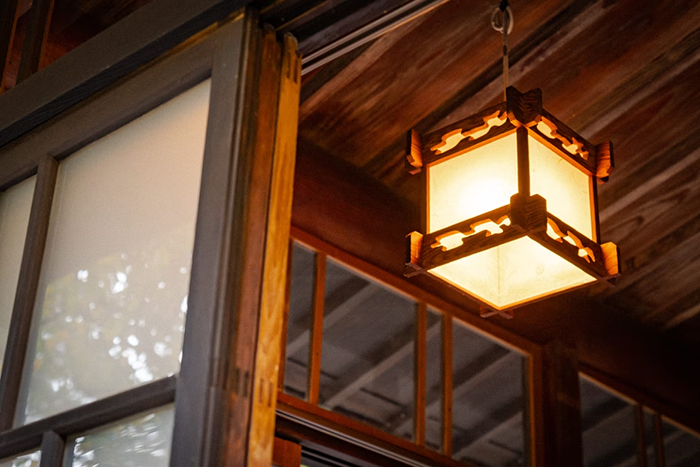
組子 kumiko is no longer confined to traditional joinery. It now appears in lighting fixtures, furniture, coasters, and other everyday objects, well outside the shoji screens and ranma transoms it was originally made for. Laser cutting and NC (numerically controlled) machining have made it possible to produce kumiko patterns at volume, but that has not diminished the standing of handmade work — if anything, a panel made entirely by a craftsman’s hand is valued more, not less, for being one of a kind.
The craft also travels well outside Japanese interiors. Its geometry sits comfortably in Scandinavian and minimalist modern spaces as much as in a traditional Japanese room, and wherever it is installed, light passing through the lattice produces the same soft shadow and sense of depth. That quality has drawn growing attention abroad, and kumiko panels now appear in the interiors of hotels and museums outside Japan as well. The craft continues to hold its traditional form while finding new settings for it — a technique still quietly evolving, a thousand years on.
A Living Craft
It is difficult to look at a finished 組子 kumiko panel and quite believe that something this delicate began as plain, straight lengths of wood. No nails, no adhesive — only wood fitted to wood with enough exactness to hold its own shape, carried forward across generations of craftsmen. Built into that technique is a kind of practical wisdom about how to live well with light and shadow, a sensibility that runs through much of Japanese design.
Nowadays, 組子 kumiko reaches far beyond the sliding doors and transoms it was built for, into furniture, lighting, and interior design worldwide. The technique and the intent behind it remain unchanged even as its form adapts to a new era. Kumiko is not simply decoration — it is a living expression of Japanese aesthetic sense and craftsmanship, and its reach shows no sign of narrowing.
KOTO is a journal of Japanese craftsmanship, culture, and the aesthetic sense behind them.
- SHARE
-


( craft )