









Ikebana, Niwashi, and Sakuramori: The People Who Keep Kyoto in Bloom
In Japan, caring for flowers has never been mere decoration. It is a way of living — a discipline of noticing nature and letting it settle into the rhythm of daily life. Few places carry that discipline further than Kyoto, where three distinct roles embody it: the practitioners of 華道 kado, the way of flowers, known in the West by the name of its practice, いけばな ikebana; the 庭師 niwashi, the gardener who shapes a garden’s relationship with the seasons; and the 桜守 sakuramori, the guardian who keeps a single cherry tree alive across generations.
華道 Kado — The Art of Bringing Flowers to Life
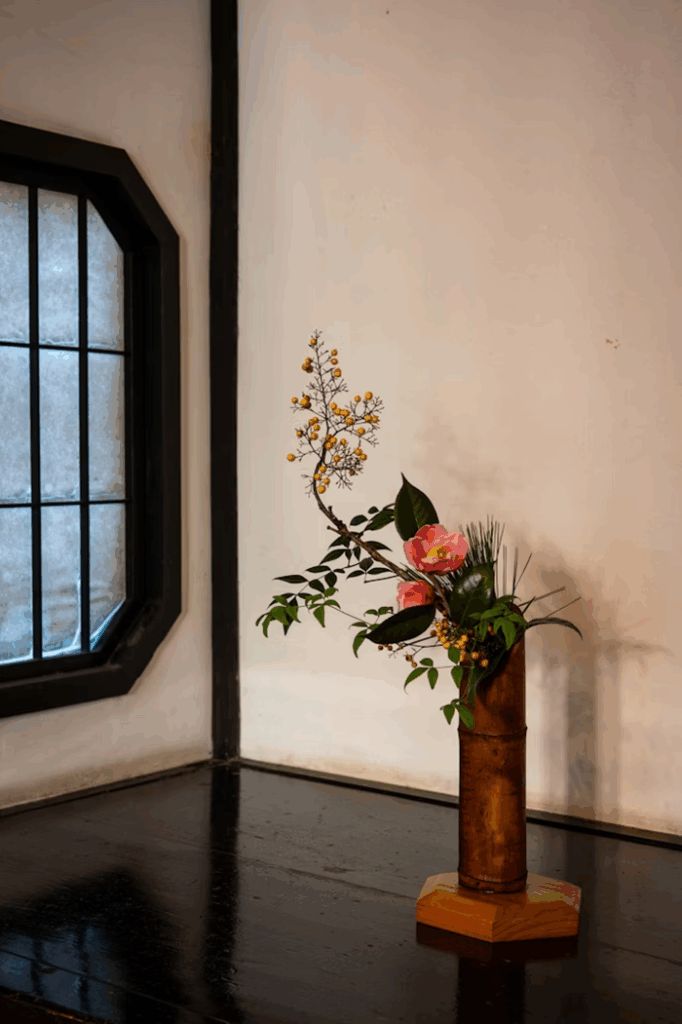
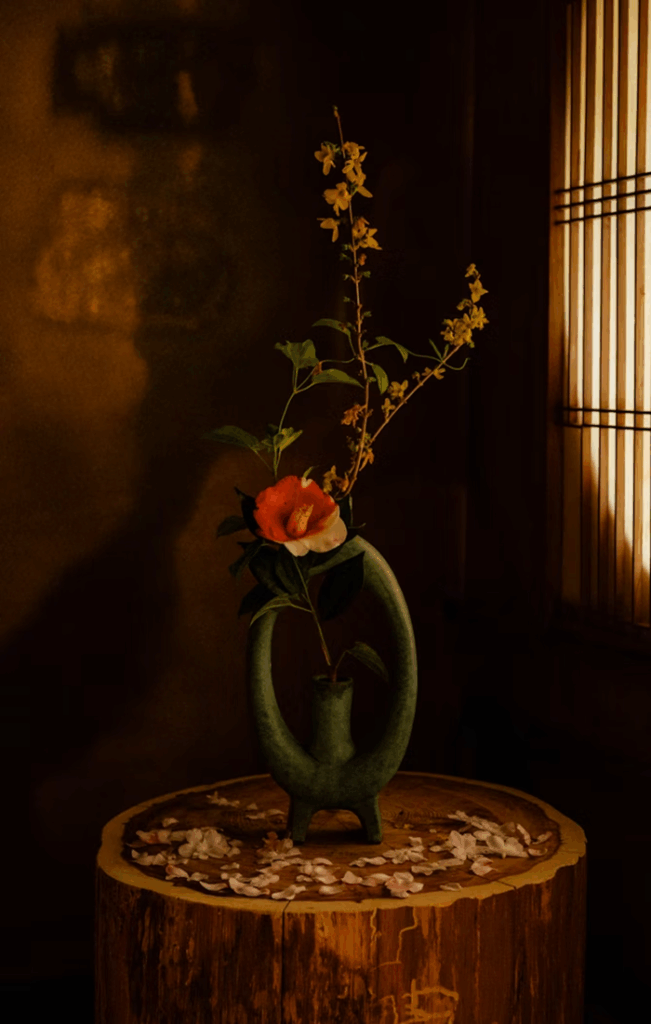
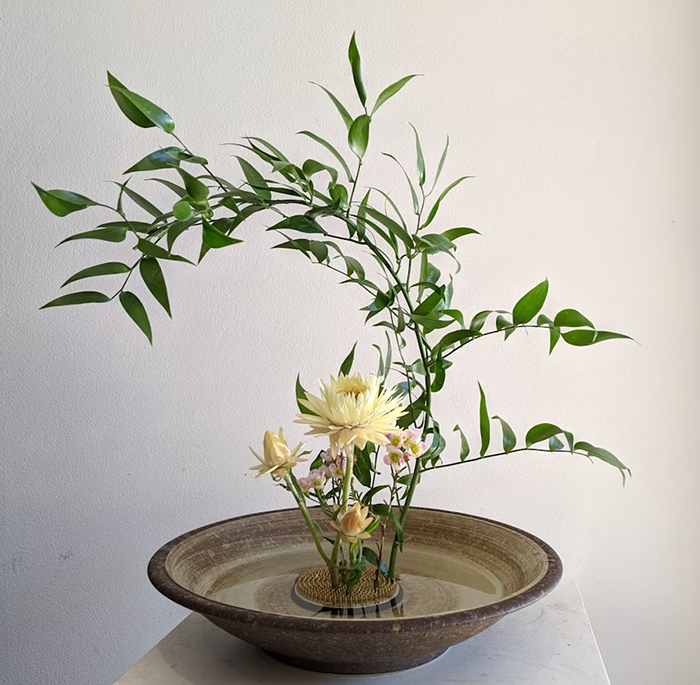
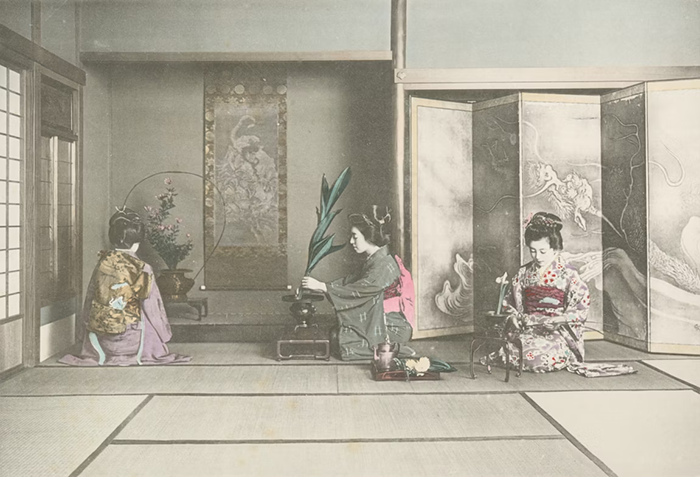
Setting a flower by the entryway or in the living room is, on its own, an unremarkable act. In Kyoto, that ordinary gesture was raised into an art: kado. Working with grasses and blossoms drawn from nature, a practitioner weighs the balance of stem, leaf, and vessel before building them into a form. It stands today as one of Japan’s most celebrated traditional arts.
Among its many schools, one especially well known is 池坊 Ikenobo, based in Kyoto. Its hall sits within 六角堂 Rokkaku-do — formally 紫雲山頂法寺 Shiunzan Chōhō-ji — widely known as the birthplace of ikebana. Arrangements are kept on display there, so that passersby brush against the art simply by walking through.
For the people of Kyoto, kado is not separate from daily life; it is dissolved into it. Much like 茶道 sado, the way of tea, its appeal lies precisely in sitting on both sides of the line between the everyday and the artistic.
庭師 Niwashi — The Craft of Weaving Nature Into Form
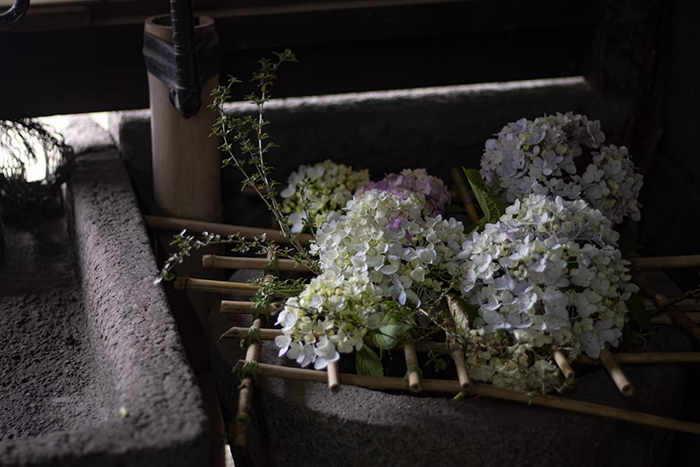
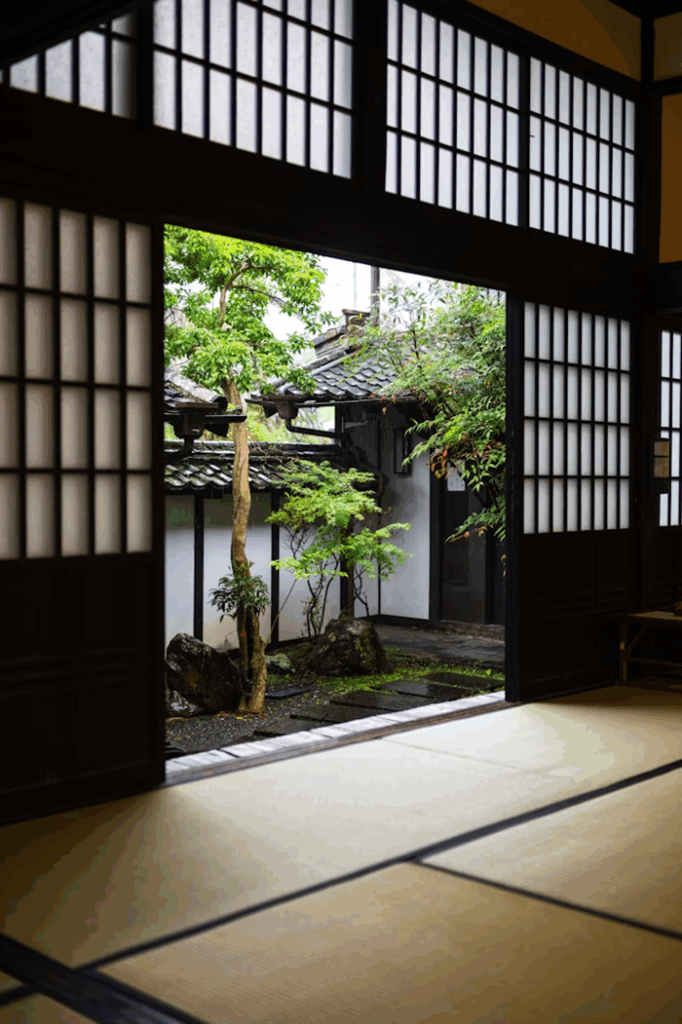
Walk the streets of Kyoto and you will come upon small gardens tucked behind old 京町家 kyo-machiya townhouses, or the broad grounds that spread behind a shrine or temple gate.
Behind every one of them stands a niwashi — a gardener who shapes the trees, arranges stone and water, and brings the turn of the four seasons into a bounded space.
The niwashi‘s work is the craft of deciding how closely nature should be drawn into a human life. Water running over moss-covered stone, the fresh green or the red of autumn leaves, blossoms opening in their season — within the small world of a garden, the Japanese have long found nature, and through it, a measure of peace.
The niwashi inherits that sensibility and carries it forward. That is why the gardens of Kyoto remain, to this day, folded into the life of the city and its streets — an indispensable part of the view.
桜守 Sakuramori — Guarding the Cherry Blossom Across Time
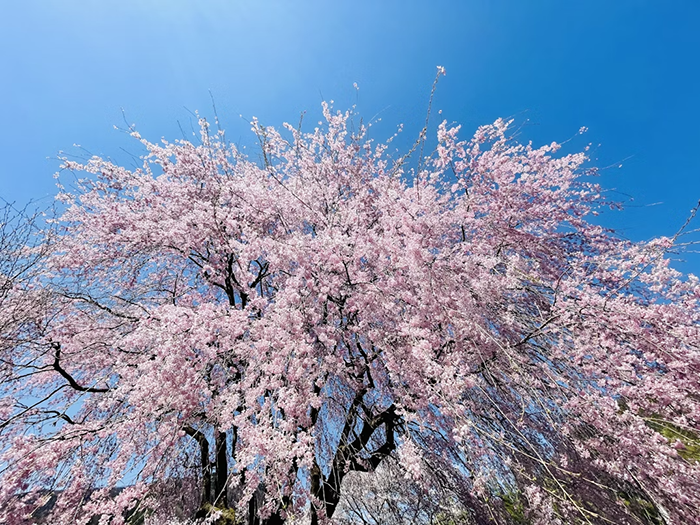
No account of Kyoto’s flower culture is complete without the sakuramori — literally, “cherry guardian.” A sakuramori is a specialist who examines cherry trees, watches over their health, and carries out whatever preservation or care each tree needs. It is work measured against the span of a tree’s life rather than a single season, and when a cherry tree bursts into full bloom each spring, that beauty owes something to the sakuramori‘s effort as well as to the tree itself.
The weeping cherry — 枝垂れ桜 shidarezakura — at Maruyama Park in Kyoto is the emblem of that work. It flowers every spring and draws crowds who come to see it, and behind that beauty lies a sakuramori‘s careful management, sustained over many years.
That a single cherry tree can hold its health and go on flowering across generations is, in itself, proof that nature and people can live well together over a very long span of time.
A Flower-Loving Heart, Woven Into Daily Life
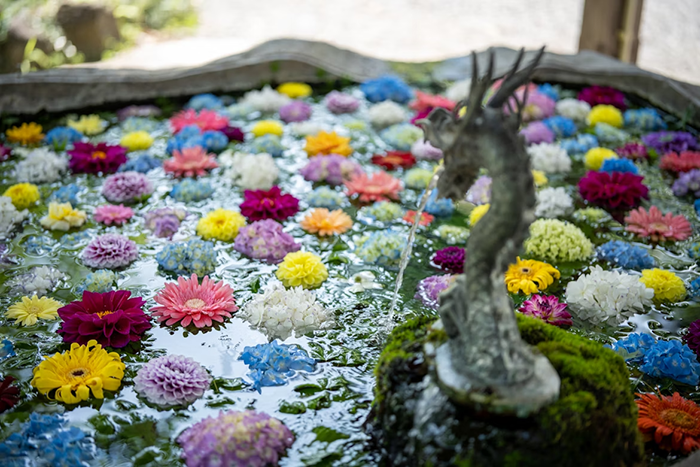
In Kyoto, nature and flowers are never far from the street. A single blossom set out along a lane; an ikebana arrangement placed inside a subway station. People brush against nature simply by living their ordinary lives, and in doing so they come to taste its beauty. Through experiences like these, largely without noticing it, they absorb the pleasure of arranging flowers and the instinct to care for them.
The art that kado shapes from a single stem, the harmony with nature that a niwashi builds into a garden, the season that a sakuramori protects one tree at a time — layered together, these three practices are what keep Kyoto a city where the love of flowers is still alive.
And that sensibility continues to run beneath the surface of Japanese culture today, carried forward, quietly, from one generation to the next.
KOTO is a journal of Japanese craftsmanship, culture, and the aesthetic sense behind them.
- SHARE
-


( daily-life )