







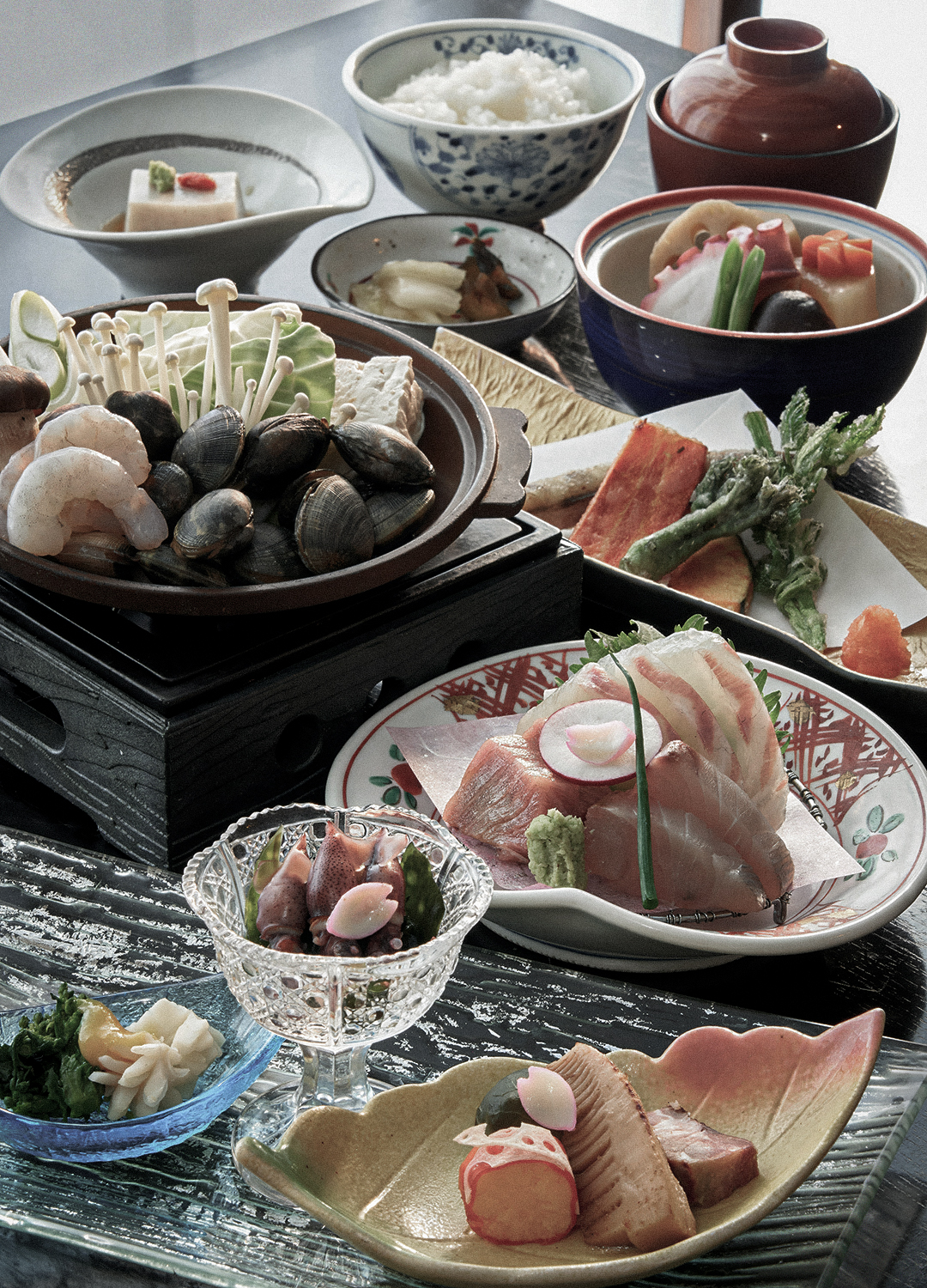
Itadakimasu and Gochisousama: The Meaning Behind Japanese Meal Etiquette
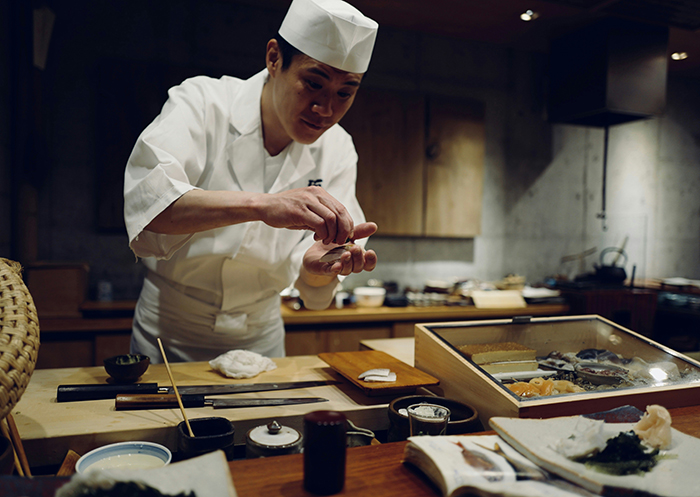
In Japan, it is common to say “いただきます itadakimasu” before a meal and “ごちそうさま gochisousama“ after a meal. Some people clasp their hands together when saying them.
Both of these phrases are greetings used during meals in Japan.
However, they carry meanings that are difficult to translate directly into other languages; as far as the auther have researched, they are greetings that emerged from Japanese unique historical background.
In this article, the auther will explain the origins of these two greetings: “itadakimasu” and “gochisousama.” This article will also offer advice on how visitors to Japan can use these expressions.
What Itadakimasu and Gochisousama Actually Mean
Itadakimasu: “I Humbly Receive”
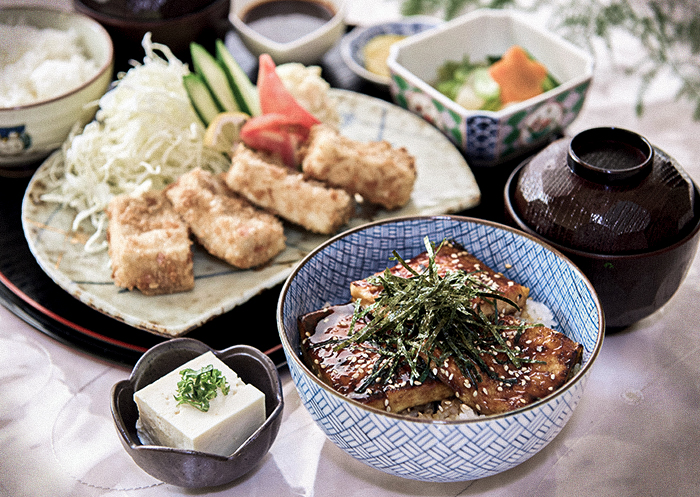
“いただきます itadakimasu” is written in kanji as 頂きます.
“頂” means “the crown of the head. “The word preserves an old gesture: when receiving an award or a gift from someone of higher standing, a person would lift it above their own head before accepting it. The same gesture is still visible today at award ceremonies and graduations — this author was told, at their own graduation, to hold the diploma above the head when receiving it from the school principal. The gesture was also used when taking down an offering that had been placed before a 神道 Shinto or Buddhist altar. Over time, both uses folded into the greeting said before a meal.
Itadakimasu is not reserved for meals. It also functions as 謙譲語 kenjogo, humble language used by a person of lower standing toward someone above them, as in “I have received (itadakimashita) some valuable advice from a senior colleague” or “I will be taking (itadakimasu) tomorrow off.” KOTO covers this humble-language system in more detail in a separate article.
That raises a question: what, exactly, is being received at a meal? Not the food alone. The meat, fish, vegetables, and rice on the plate were, before they were food, living things. Itadakimasu means receiving their lives so that we may go on living. A meal also depends on the people who grew, caught, processed, and delivered those ingredients before anyone cooked them. The word carries gratitude toward all of it — the lives given up, and the people who brought them to the table.
Gochisousama: “Thank You for the Feast”
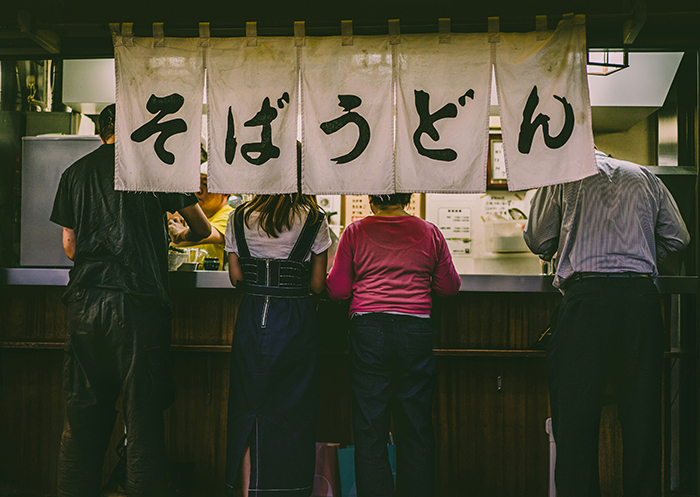
“ごちそうさま gochisousama“ is 御馳走 gochisou, a lavish meal, with the honorific suffix 様 sama attached. The phrase is said to have settled into its present-day form during the second half of the Edo period (1603–1868).
御馳走 gochisou breaks down further into the polite prefix 御 go and 馳走 chisou, a word that literally describes the sight of someone riding a horse and running around. The connection to a meal is not obvious now, but it made sense under the food conditions of the past: ingredients were not easy to come by, and putting together a lavish meal meant riding out and gathering them from wherever they could be found. The meaning shifted from the errand itself to gratitude for the people who had run around on someone else’s behalf to make the meal possible.
Are There Similar Words in Other Languages?
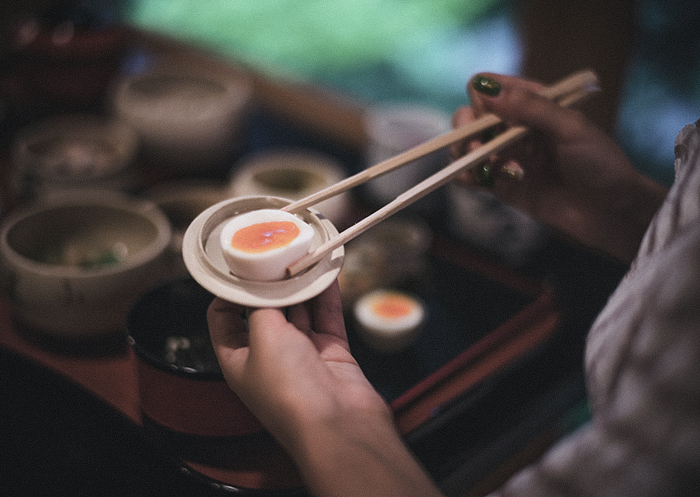
As a middle school student, this author did a homestay abroad and found no equivalent word for itadakimasu or gochisousama before or after meals. “Thank you” and “this is delicious” filled in instead. Looking into it later turned up a pattern: similar words exist in other languages, but the meaning behind them is distinctly Japanese.
Phrases Close to Itadakimasu
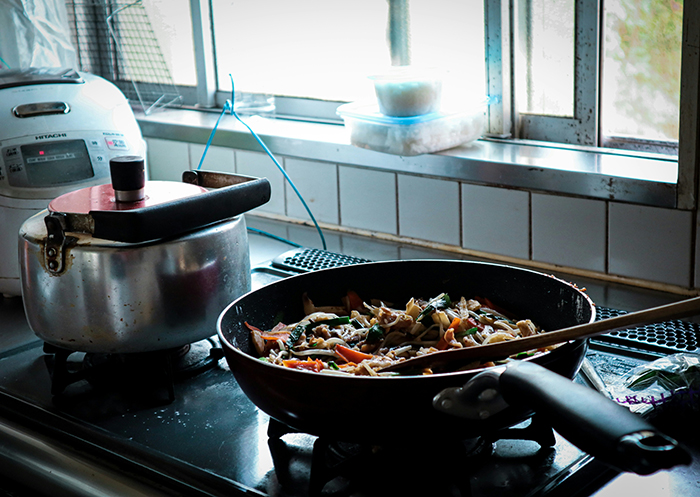
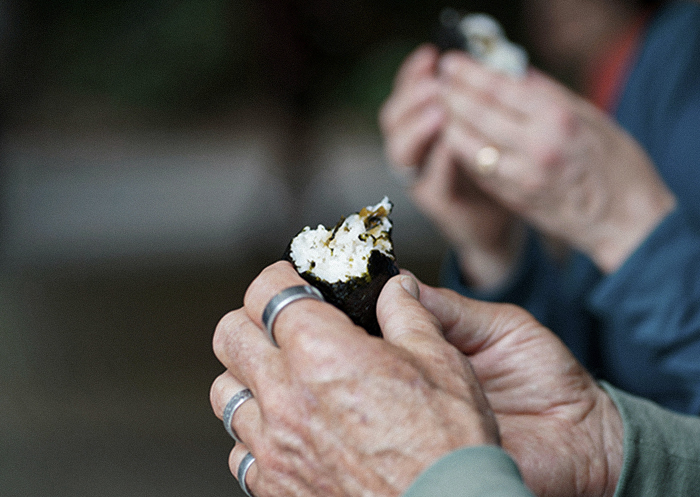
Several languages have a greeting said before eating:
– Let’s eat! (English)
– Enjoy your meal! (English)
– Bon appétit! (French — “may you have a good meal”)
– Buon appetito! (Italian — “a good meal to you”)
– 잘 먹겠습니다 jal meokgesseumnida (Korean — roughly “I will eat well”)
Most Western versions are an invitation to enjoy a good meal together, rather than an expression of thanks. The Korean phrase stands out: translated literally it means “I will eat well,” and its shift toward something close to the Japanese greeting is worth noting.
Gratitude before a meal also takes the form of prayer in some cultures and religions. A relative of this author who serves as a Christian pastor has said grace together before a shared meal. The instinct to acknowledge, before eating, that a life has been given and that a meal can be eaten at all, is not confined to any one country.
Phrases Close to Gochisousama
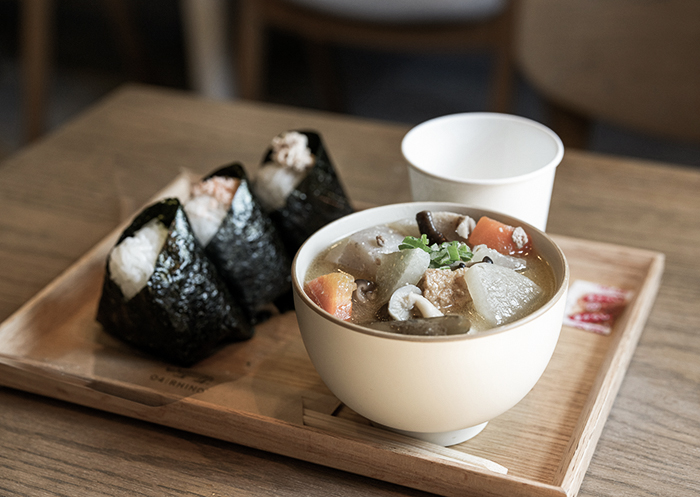
An equivalent for gochisousama is harder to find. The closest match appears to be Korean again: 잘 먹었습니다 jal meogeosseumnida, literally “I ate well.” It is said after being treated to a meal or on leaving a restaurant, and reportedly also when stepping away from the table mid-meal, or simply after an everyday meal at home. The emphasis on courtesy overlaps closely with Japanese custom.
How to Use These Greetings at a Restaurant in Japan
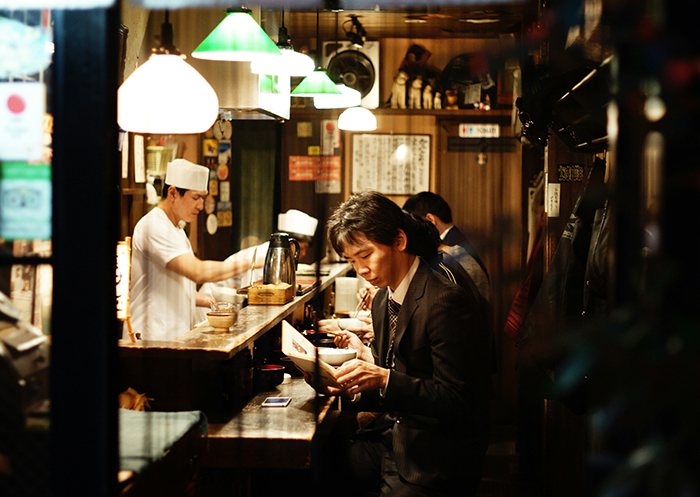
A visitor curious to try Japanese meal etiquette can treat the following as one way to experience it — within whatever range feels comfortable given their own culture or beliefs.
Saying Itadakimasu
When the food arrives, thanking the staff first makes a good impression. After that, saying itadakimasu before eating is the customary next step. Pressing the hands together while saying it is considered a more formal gesture of thanks.
Saying Gochisousama

Travelers are often used to tipping above the listed price as a way of showing appreciation. Japan has no tipping culture. Offering extra money can actually create confusion for staff, who may worry that a customer has been overcharged.
The recommended way to show appreciation instead is to say gochisousama when paying the bill or leaving the restaurant. This author once worked part-time at a restaurant, and hearing a customer say gochisousama with a smile on the way out was consistently one of the best parts of the job. Forgetting the word is not a problem — a simple “thank you” or a smiling bow conveys the same thing.
KOTO also runs a teahouse, 京都祇園茶房 Kyoto Gion Sabou, just steps from Yasaka Shrine in Kyoto. The space looks out over a traditional Kyoto streetscape and serves a menu built around matcha lattes and similar specialties. Details are available on the teahouse’s own website.
Gratitude Toward Everything a Meal Represents
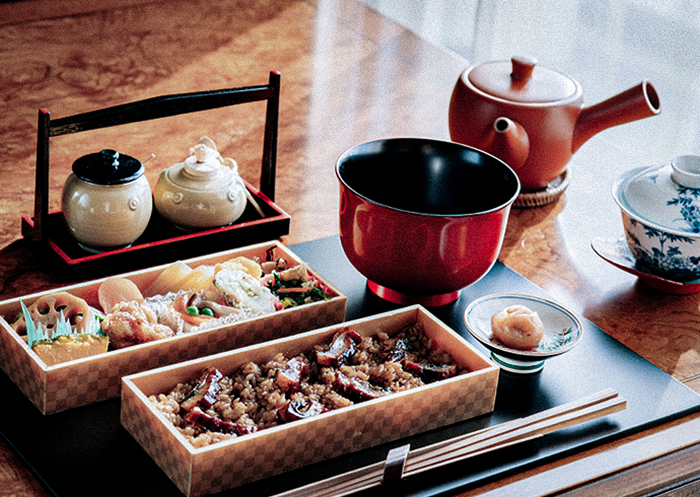
Itadakimasu and gochisousama are not really about the ingredients on the plate. They are words of thanks for everything and everyone that a meal represents.
Part of the background is a reverence for nature rooted in Shinto belief. Farming and fishing depend on coexistence with the natural world, and because the outcome is always at the mercy of the weather, obtaining ingredients at all came to be treated as something to be thankful for. Shinto also holds that 八百万の神 yaoyorozu no kami — “the eight million gods” — dwell in all things. Taking a life from among those ingredients and turning it into one’s own flesh and blood was never just an act of eating; it called for reverence and gratitude alongside it.
Food is far more reliably available today than it once was. That is precisely why it is worth pausing before a daily meal, rather than treating it as a given, and eating with gratitude instead.
KOTO is a journal of Japanese craftsmanship, culture, and the aesthetic sense behind them.
- SHARE
-


( manners )