





Japanese Lacquerware: The Craft of Urushi, and How It Gave English the Word “Japan”
Lowercase the word Japan and, in English, it still carries a second meaning: lacquer. For a couple of centuries after European ships began carrying it home, japan was simply the name of a material — the deep, glass-smooth black finish found on cabinets, chests, and tableware from the one country that made it best. The usage has mostly faded from everyday English, but the reason behind it has not. 漆器 shikki — Japanese lacquerware — earned that reputation through a material and a set of techniques that took shape nowhere else in quite the same form.
This is an account of what shikki is, how the lacquer itself is made, where its major regional schools come from, and how the craft came to lend its name, for a while, to a country.
What Is Japanese Lacquerware?
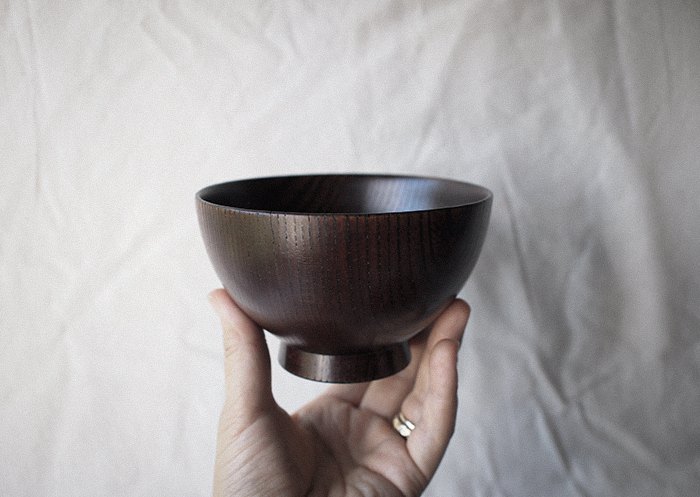
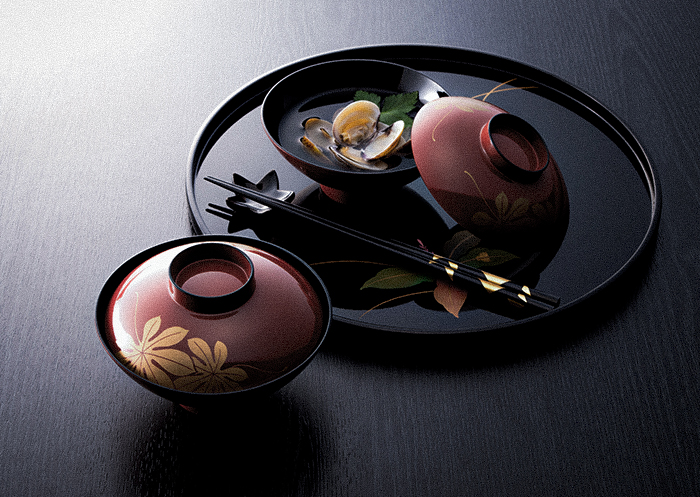
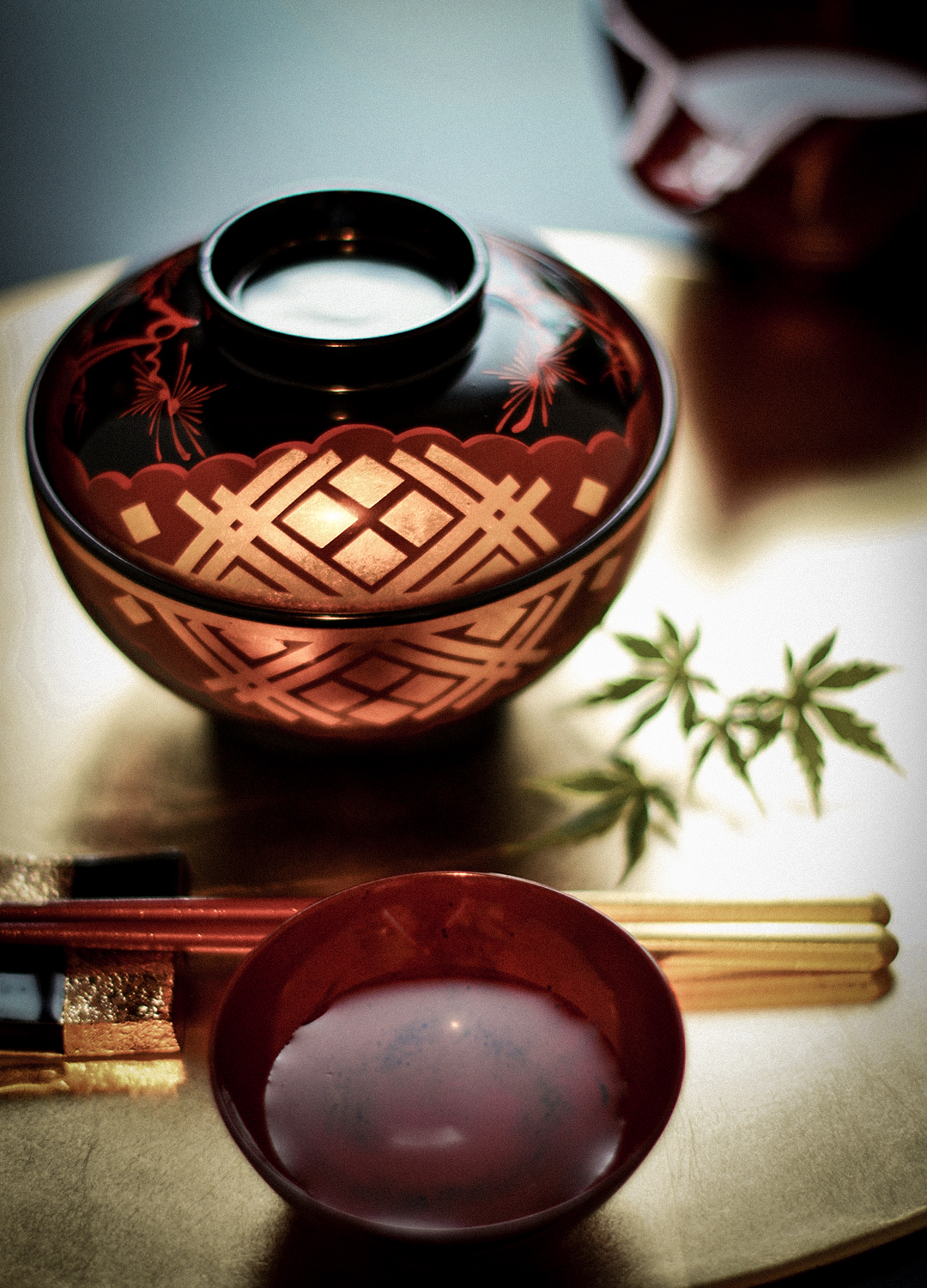
漆器 shikki refers to any object finished in 漆 urushi — lacquer drawn from the sap of the urushi tree. The word covers far more than tableware:
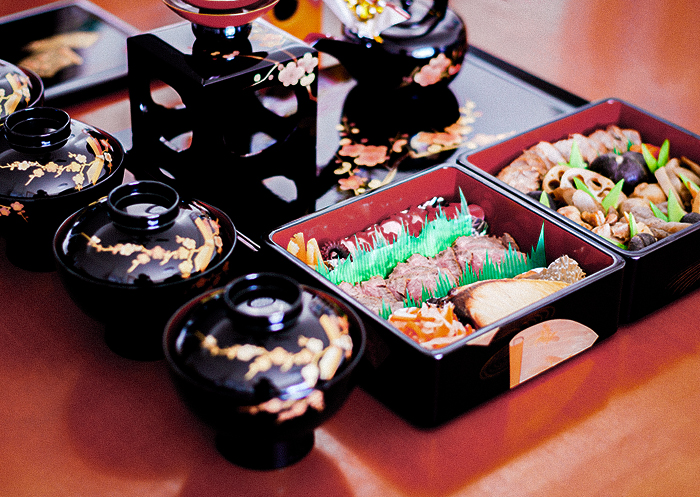
– Tableware and everyday goods: bowls, plates, tiered boxes, trays, chopsticks
– Tea and flower utensils: tea caddies, flower vessels, display shelves
– Other furnishings: musical instruments, document boxes, altar fittings
When lacquerware is treated as fine art rather than as tableware, it goes by the more formal names 漆芸 shitsugei or 漆工芸 urushi kogei — lacquer art, lacquer craft.
Two qualities define the appeal of shikki. The first is function: lacquer insulates well and holds heat, so a lacquer bowl keeps hot soup hot through a meal. The second is how it ages. Use deepens the shine, and the undercoat begins to show faintly through the surface over years of handling — a piece that is meant to be used rather than kept behind glass. Should it wear or chip, it can be restored by re-lacquering rather than replaced, and each added layer of lacquer makes the piece more durable than before.
Two cautions come with owning it. Lacquerware is made chiefly of lacquer and natural wood, so it should be kept out of hot, humid places to avoid warping and damage, though it should not be allowed to dry out either — a stable, moderate humidity is what it wants. And it should always be hand-washed, with a mild dish detergent and a soft sponge; a dishwasher will damage the finish. After washing, it should be dried at once with a cloth rather than left to air-dry.
Three Regional Schools
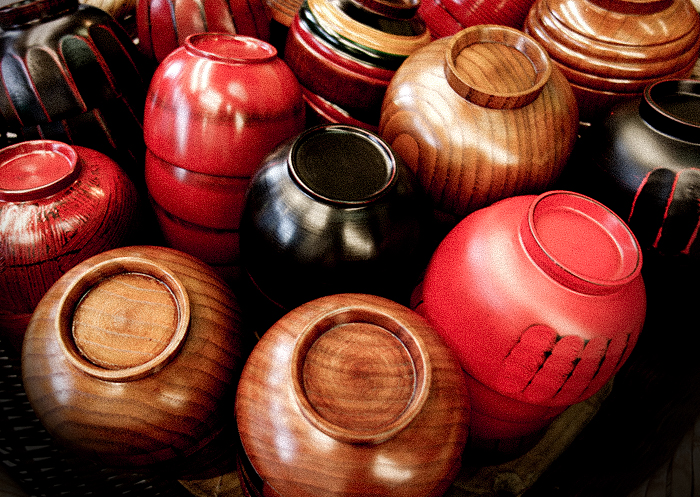
Lacquerware is produced across Japan, and the traditions that grew up in each region are usually named for their place of origin, followed by 塗 nuri, lacquering or 漆器 shikki, lacquerware.
輪島塗 Wajima-nuri (Ishikawa Prefecture)
Wajima-nuri is produced around the city of Wajima on the Noto Peninsula, in Ishikawa Prefecture on Japan’s Sea of Japan coast, and is generally considered the country’s foremost high-end lacquerware. It is known for a combination of structural toughness — built from many, many layers of lacquer applied over the wood — and fine 蒔絵 maki-e decoration.
Lacquerware was already being made in the area before the Muromachi period (1336–1573), and it reached distribution across the country in the Edo period (1603–1868). A finished piece can pass through more than twenty separate stages of work, and some pieces take a long time to complete. In 1977, Wajima-nuri was designated a national Important Intangible Cultural Property.
Its toughness comes from two specific steps, not from lacquer alone. The first is 布着せ nunokise — cloth application: hemp cloth is glued on with lacquer over the parts of a piece most likely to wear during shaping. The second is 地の粉 jinoko — literally “ground powder” — a diatomaceous earth quarried locally in Wajima, applied as an undercoat in repeated layers. Together, these two steps are what make Wajima-nuri sturdier and longer-lived than lacquerware finished by lacquer alone. Should a favorite piece ever break, it can be sent back to the workshop that made it for repair — meant, in other words, to be owned for a lifetime.
山中漆器 Yamanaka shikki (Ishikawa Prefecture)
Also from Ishikawa, Yamanaka lacquerware is produced mainly in the Yamanaka Onsen district of Kaga City. It is known for the beauty of its wood grain and for the woodworking skill behind its base, earning it the nickname 木地の山中 — “Yamanaka of the woodwork.”
That base is shaped using 木地挽物技術 kijihikimono — a lathe-turning technique that cuts the wood down to a pleasingly thin, smooth-to-the-touch form. It is a demanding skill, and Yamanaka is generally regarded as Japan’s leading producer of lacquerware made this way.
Yamanaka is also known for something more recent: 近代漆器 kindai shikki, modern lacquerware. Traditional lacquerware — lacquer over solid wood — is fine and expensive, but demanding to care for. Modern lacquerware answers that by coating a synthetic resin base in lacquer instead, producing a piece that costs less and is easier to maintain. Yamanaka is one of Japan’s best-known production centers for this kind of ware.
会津塗 Aizu-nuri (Fukushima Prefecture)
Aizu lacquerware covers everything from everyday tableware to fine art pieces, and comes from the Aizu region of Fukushima Prefecture, in northeastern Japan — the same region where the teenage samurai militia known as the 白虎隊 Byakkotai, the “White Tiger Brigade,” fought in the last years of the Edo period.
The craft’s roots go back to the Azuchi-Momoyama period (1573–1603), when the local daimyo Gamo Ujisato — a feudal lord who governed the Aizu domain — promoted lacquerware as an industry for the region, launching a tradition now more than 400 years old. The Aizu basin’s humid climate and its ready supply of timber made it, in practice, an ideal place for the craft to take hold.
Aizu-nuri is marked by two techniques not really found elsewhere. 花塗 hana-nuri — “flower lacquering” — leaves the final coat to dry naturally rather than being polished afterward, the way lacquer is normally finished; the point is a gloss that comes purely from the material itself. 金虫喰塗 kinmushikui-nuri — “gold insect-eaten lacquering” — uses rice husks as a decorative agent, producing marks that resemble the trails left by insects and giving the surface a depth and texture that is partly a matter of chance.
How Urushi Lacquer Is Made
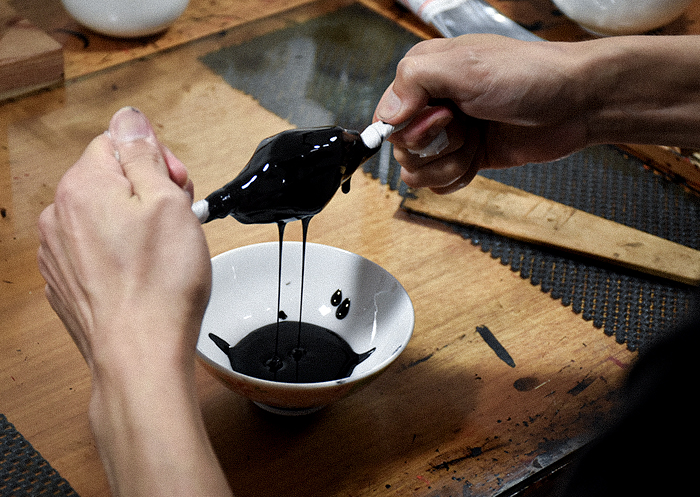
Urushi comes from sap tapped from the urushi tree, and the yield is modest: a single tree produces roughly 200 grams of sap, drawn from a tree that takes ten to twenty years to mature. Considered against that timeline, it is easy to see why the material is treated as precious.
The sap itself is not black. It becomes the deep black most people picture only after a sequence of processing:
① 荒味漆 aramiurushi — raw sap, exactly as it is tapped from the tree.
② 生漆 kiurushi — filtered sap: aramiurushi passed through a filter, yielding a pale beige liquid.
③ 透漆 sukiurushi — refined sap: kiurushi refined mainly through two processes. Nayashi is stirring the sap until its components are evenly distributed; kurome is heating the sap while stirring it, to evaporate its moisture.
Adding iron or iron hydroxide to sukiurushi during this refining is what produces black lacquer. The familiar, glossy black of lacquerware is, in other words, the product of a great deal of processing rather than the sap’s natural state. Black is not the only outcome, either — mixing pigment into sukiurushi produces red, blue, and other colors of lacquer.
A Caution: Urushiol
Handling lacquer calls for care, because of an allergenic compound it contains called urushiol. Contact with skin can trigger an allergic reaction — redness, a rash, intense itching — and anyone exposed should wash the area immediately with soap and water, and see a dermatologist promptly if symptoms appear.
Urushiol also becomes airborne in small amounts, which is part of why Wajima, a region with such a long history of lacquer work, carries a local saying that some visitors react to the air itself simply by passing through.
Once cured and fully dry, however, urushiol no longer triggers a reaction — and in that state it is credited with strong antibacterial and antifungal properties. Professor Ogawa Toshio and colleagues at the Kanazawa Institute of Technology studied urushiol’s antibacterial and antifungal effects and demonstrated that they are considerable: among their findings, E. coli placed on lacquerware and on cured lacquer film had fallen to roughly one-thousandth of its original count after twenty-four hours.
A History Woven Into Japanese Life
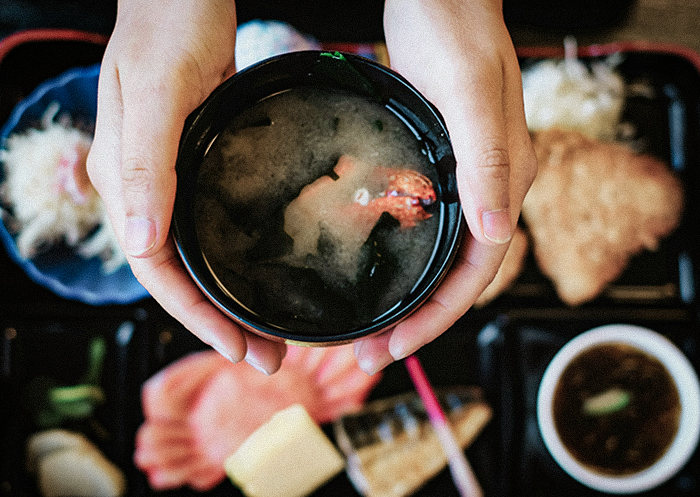
Finds excavated across Japan show that lacquer has been part of daily life since deep antiquity.
The Jomon Period: Urushi Reaches the Japanese Archipelago
The urushi tree originally grew wild on the Asian continent. It reached the Japanese archipelago during the Jomon period, Japan’s long hunter-gatherer era running from roughly 14,000 to 300 BCE, where it was worked into ornaments such as combs and earrings. It also served a practical role, as an adhesive for repairing broken pottery and as a coating to prevent vessels from leaking. Research dates these artifacts to somewhere between 5,500 and 7,000 years old, and the oldest known urushi wood found in Japan has been dated to roughly 12,000 years ago. That a material this refined was already in use so far back is hard to read as anything other than evidence of real ingenuity in the people of the time.
From the 8th Century Onward: The Birth of Maki-e
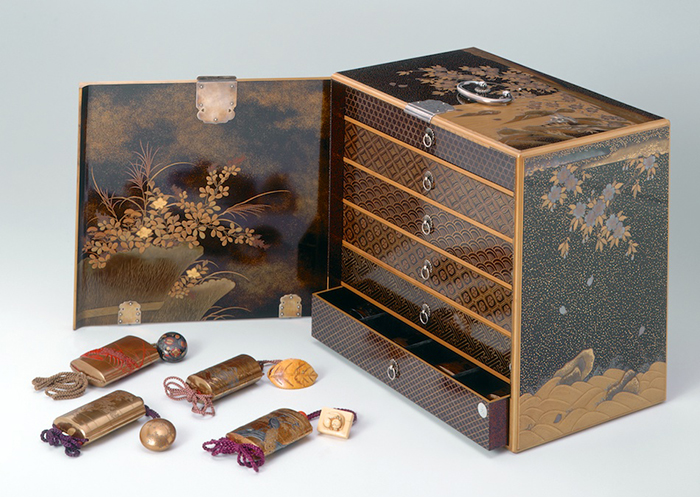
Lacquerware was made across East Asia, not only in Japan, but one lacquer art form developed as something distinctly Japanese and went on to become widely prized: 蒔絵 maki-e, “sprinkled picture.”
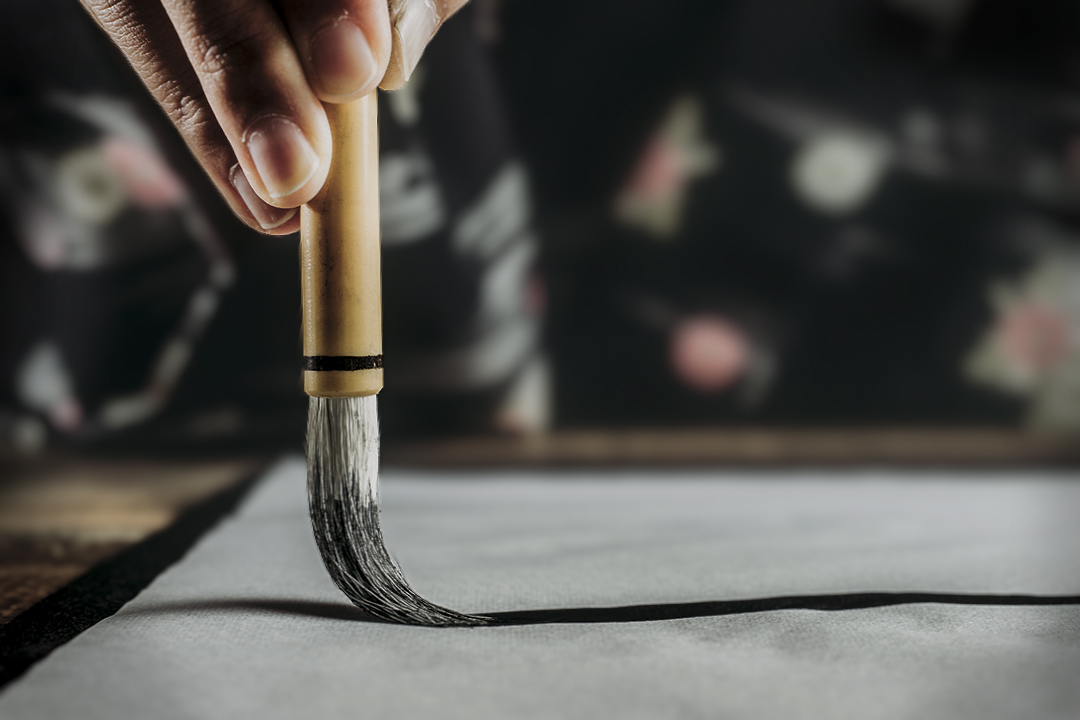
Maki-e is made by first painting a design onto the surface of an object in lacquer, using a brush, and then sprinkling gold or silver metal powder over the wet design before the lacquer dries — the powder is fixed permanently in place as the lacquer cures beneath it.
The technique’s exact origin is unclear, but it existed by at least the 8th century, and it flourished alongside the aristocratic culture of the Heian period (794–1185). That flourishing owed a great deal to Heian court taste: lacquer and gold and silver were all luxury materials at the time, and lavishly worked maki-e furnishings captivated the Heian nobility. Despite the considerable expense involved, maki-e decoration spread beyond furnishings and small objects into buildings themselves — the residences and temples of the era.
Around the 16th Century: Lacquerware Captivates the West
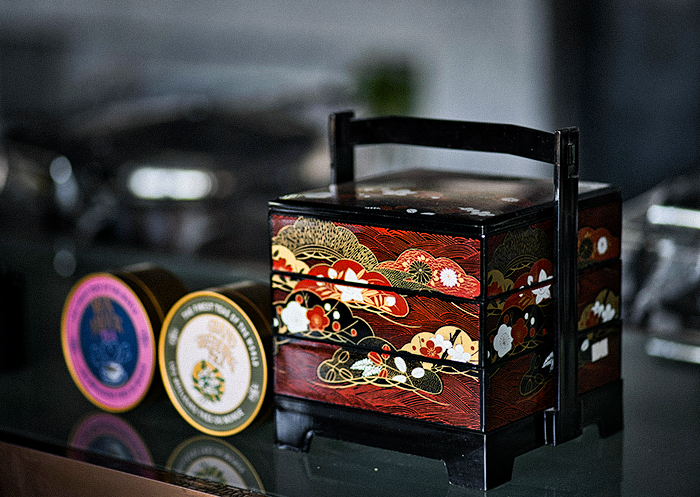
During the Age of Exploration, Japanese lacquerware that reached Europe captivated people with its beauty, and its combination of practicality and looks led European royalty and nobility to begin collecting it in earnest.
Among the pieces most often collected were cabinets fitted with many drawers, large lidded chests, furniture such as tables, and tableware — including Western forms like coffee cups, made specifically for export. Pieces made for the export market were finished in an ornate, exoticized style, decorated with maki-e as well as with 螺鈿 raden — inlay cut from thin sheets of shell.
Why English Already Has a Word for This
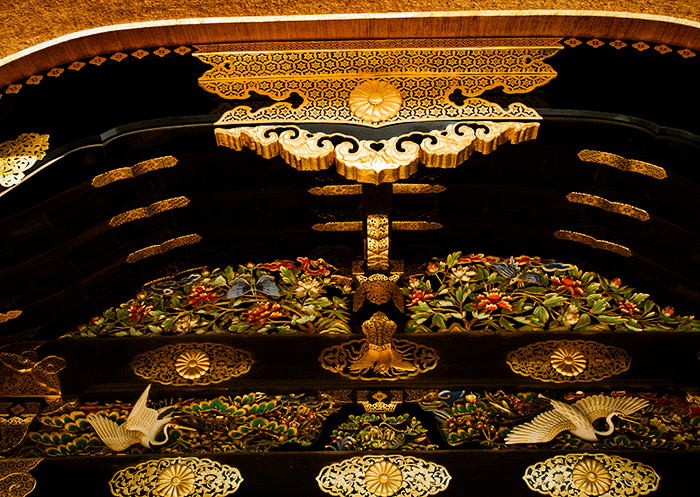
Capitalized, Japan is a country. Lowercase, japan has, since the 16th century, also meant lacquer or lacquerware in English.
Other Asian countries exported lacquerware to Europe during this period as well, but Japanese-made lacquerware in particular was singled out for its quality and became hugely popular there. Prized above all for its beauty, the finest lacquerware came, in time, simply to be called after where it was made — japan. By the 17th century, the word appears with increasing frequency in the property inventories of European nobility. The technique of applying lacquer was given its own related word too: japanning.
A word that, at a glance, reads like the name of a country came instead to stand for the object made there — in today’s terms, something close to a stamp reading “made in Japan.”
Neither japan nor japanning sees much everyday use in English now; modern usage more often reaches for “lacquer” and “lacquerware” instead. Among people with a deeper familiarity with Japanese culture, “urushi” and “urushiware” are also understood.
There is a parallel case worth noting: porcelain, in English, is sometimes called “china” — a usage that traces back to the same pattern, Chinese porcelain having been prized and avidly collected by European nobility. That a craft’s place of origin can settle into English as the word for the object itself is, either way, a small point worth pausing on.
Marie Antoinette’s Collection
Japanese lacquerware had a great many admirers in Europe, but among the most notable were a mother and daughter. Marie Antoinette, queen of France as consort to Louis XVI, kept and displayed a collection of Japanese lacquerware at her residence, the Palace of Versailles — a collection said to have been remarkable across all of Europe, in both quality and scale.
Her mother, the Habsburg empress Maria Theresa of Austria, was every bit as devoted a collector, said to have valued lacquerware “more than diamonds.” After Maria Theresa’s death, some fifty pieces of lacquerware from her collection passed to Marie Antoinette, joining her own. Today, the pieces the two of them gathered can still be seen across several museums.
The Word 漆黒 Shikkoku — Lacquer Black
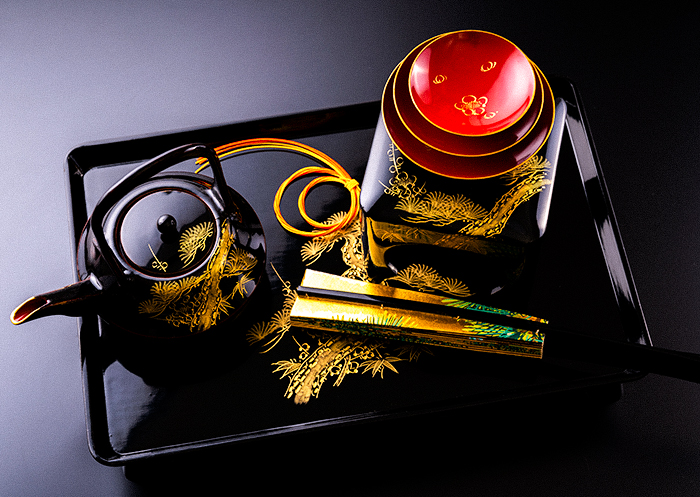
漆黒 shikkoku — literally “lacquer black” — is a Japanese color name paired, in usage, with 純白 junpaku, pure white. It describes a black deeper than an ordinary black, one that seems to draw the eye in rather than simply reflect light back at it; “漆黒の髪 shikkoku no kami,” the hair looks like lacquer-black , is a way of describing glossy, beautiful black hair.
The name comes directly from the material. Layering 黒漆 kuro-urushi , black lacquer made with iron worked into it — produces the wet-looking sheen distinctive to fine lacquerware: a black that reflects no light outright, and yet gleams like a polished stone. It is, in that sense, an exact name for the color it describes.
In Closing
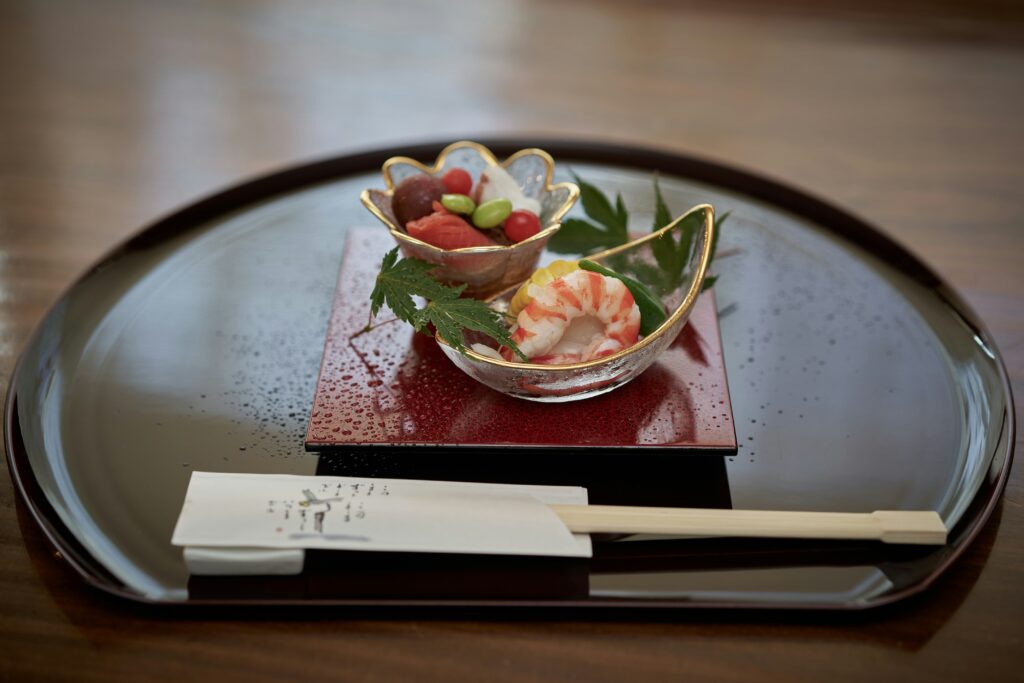
Lacquer has been, in turn, an everyday necessity and an object prized alongside jewels — worked into combs in the Jomon period, into temple beams in the Heian court, into the cabinets of a French queen. Shikki remains part of daily life in Japan today, and its soft touch and the depth of its black finish reward closer attention than a short introduction can give them. For anyone visiting Japan, it is worth seeking out — at the table, or in a shop worth stepping into.
KOTO is a journal of Japanese craftsmanship, culture, and the aesthetic sense behind them.
- SHARE
-


( craft )