








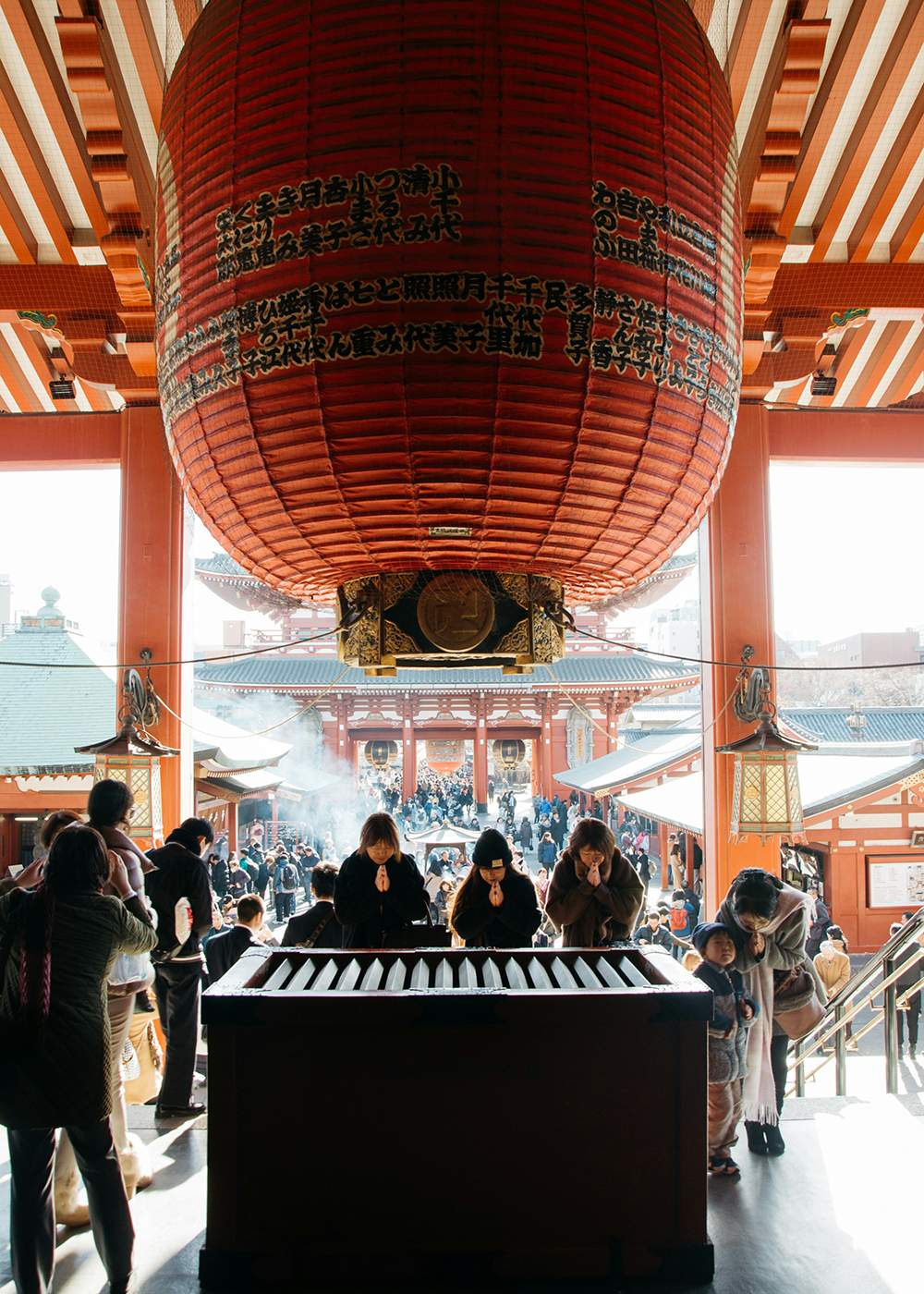
Untranslatable Japanese Words: What Wabi-Sabi, Itadakimasu, and Okagesama De Really Mean
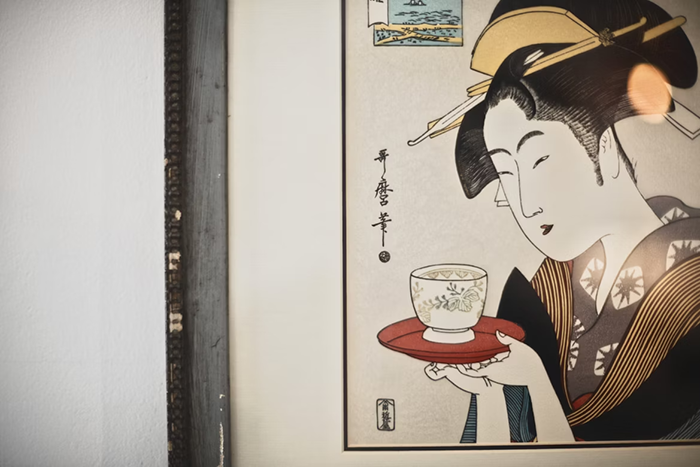
Some Japanese words resist translation not because English lacks a dictionary entry for them, but because the Japanese word is carrying more than its literal meaning. わびさび wabi-sabi and いただきます itadakimasu are two well-known examples: both have a plain, one-line gloss, and both mean considerably more than that gloss suggests. What follows is a set of Japanese expressions of that kind, grouped by what they do — express gratitude, register a feeling, hold a relationship together — with the values embedded in each.
Why These Words Don’t Translate Cleanly
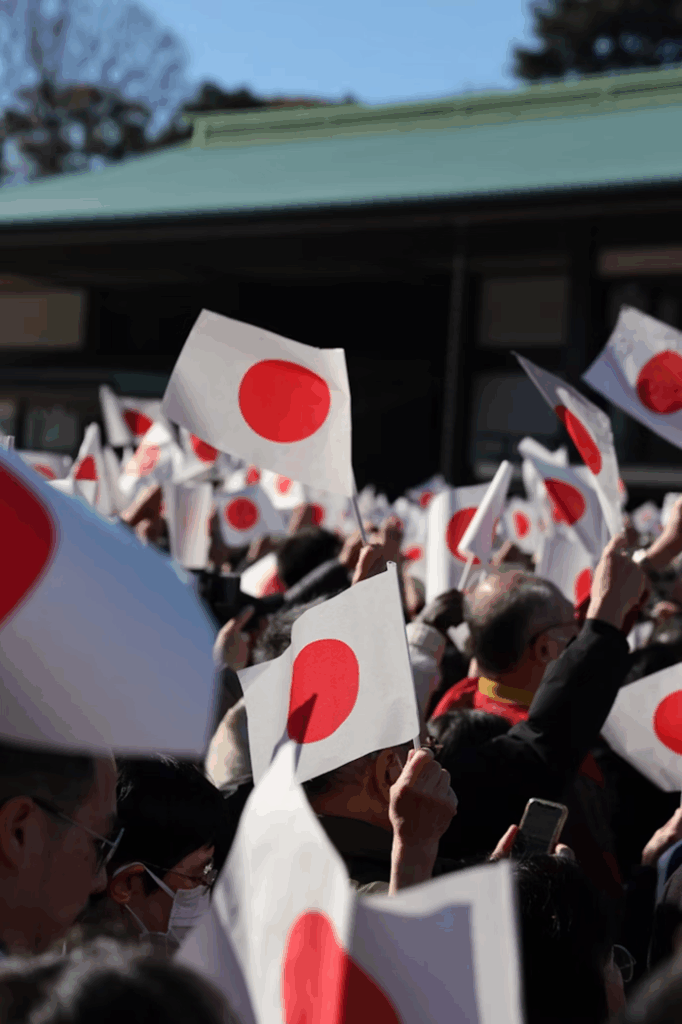
Japanese tends to avoid stating things directly, and favors words that consider the listener rather than simply reporting a fact. すみません sumimasen is the clearest case: depending on context, it can mean “I’m sorry,” “thank you,” or “excuse me,” said to get someone’s attention. One word carrying three functions at once is itself a mark of how much Japanese asks a listener to read from context and relationship rather than from the words alone.
Many Ways to Say Thank You
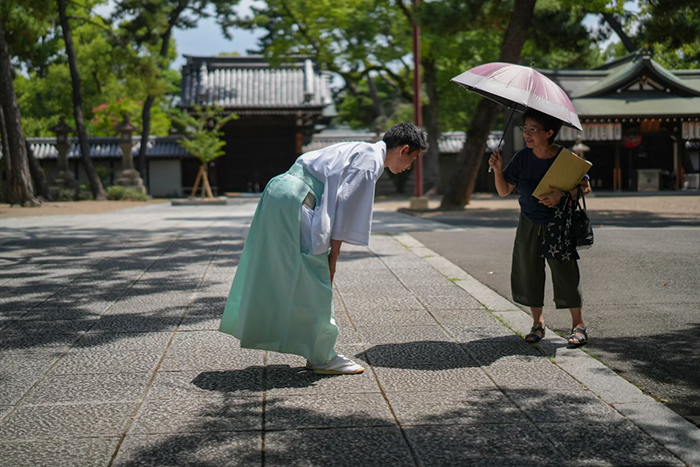
English generally has one working phrase for gratitude: “thank you.” Japanese has a graded set, chosen by the situation and by how the speaker stands relative to the listener. ありがとう arigatō is the everyday form. Above it sit more formal registers: 心より感謝申し上げます kokoro yori kansha mōshiagemasu, “I offer my thanks from the heart”; 本当に助かります hontō ni tasukarimasu, “you have truly helped me,” said when someone has gone out of their way; and 御礼申し上げます orei mōshiagemasu, a formal register used in writing and in business.
The range is not decoration. Choosing carefully among these phrases is itself an act of respect and modesty toward the other person — a texture a flat “thank you” cannot carry on its own.
Words That Hold a Feeling
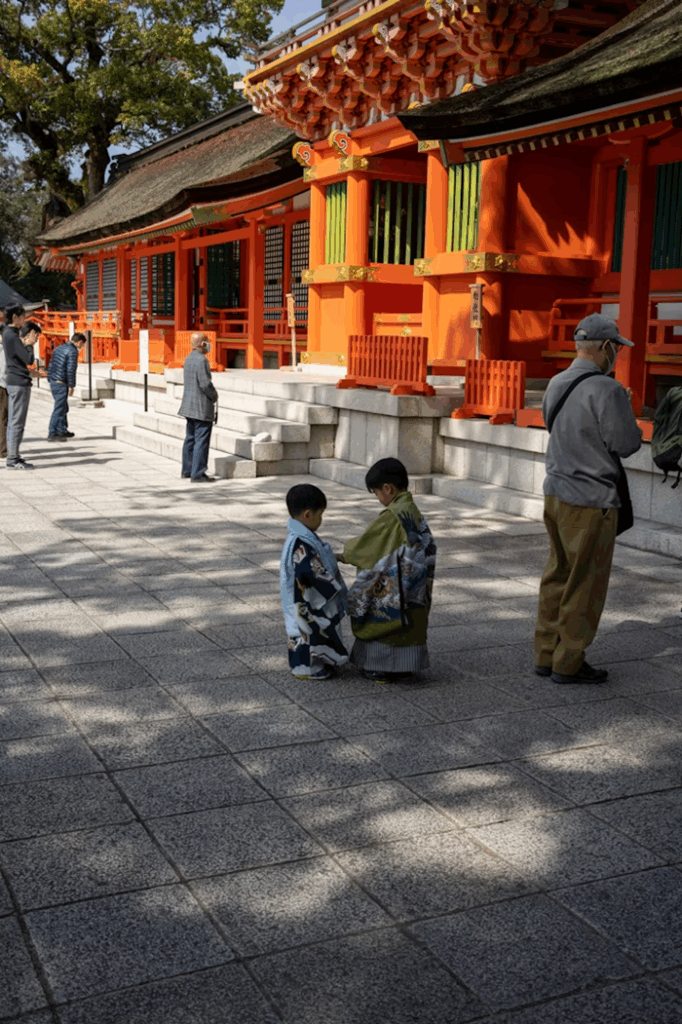
Some Japanese words exist to catch a state of mind too specific for a single English word.
侘び寂び wabi-sabi names the beauty found in quietness and imperfection — a plainness that carries depth rather than showing it off. This author has written elsewhere, at length, about wabi-sabi’s roots and its place in the tea room; here it stands simply as the clearest example of a Japanese aesthetic word with no real English counterpart.
せつない setsunai is harder still to pin down: a feeling that mixes sadness with fondness and a trace of longing, all at once, with no single English word doing the same job. “Bittersweet” comes close, but setsunai carries more warmth in it than that word implies.
Both words trace back to Japan’s tradition of short-form poetry, waka and haiku — an art built on saying as much as possible about a feeling or a scene in as few words as possible. Words like these are, in a sense, poetry’s leftover technology: compression built for verse, now carried into daily conversation.
Words of Gratitude for Food and Life
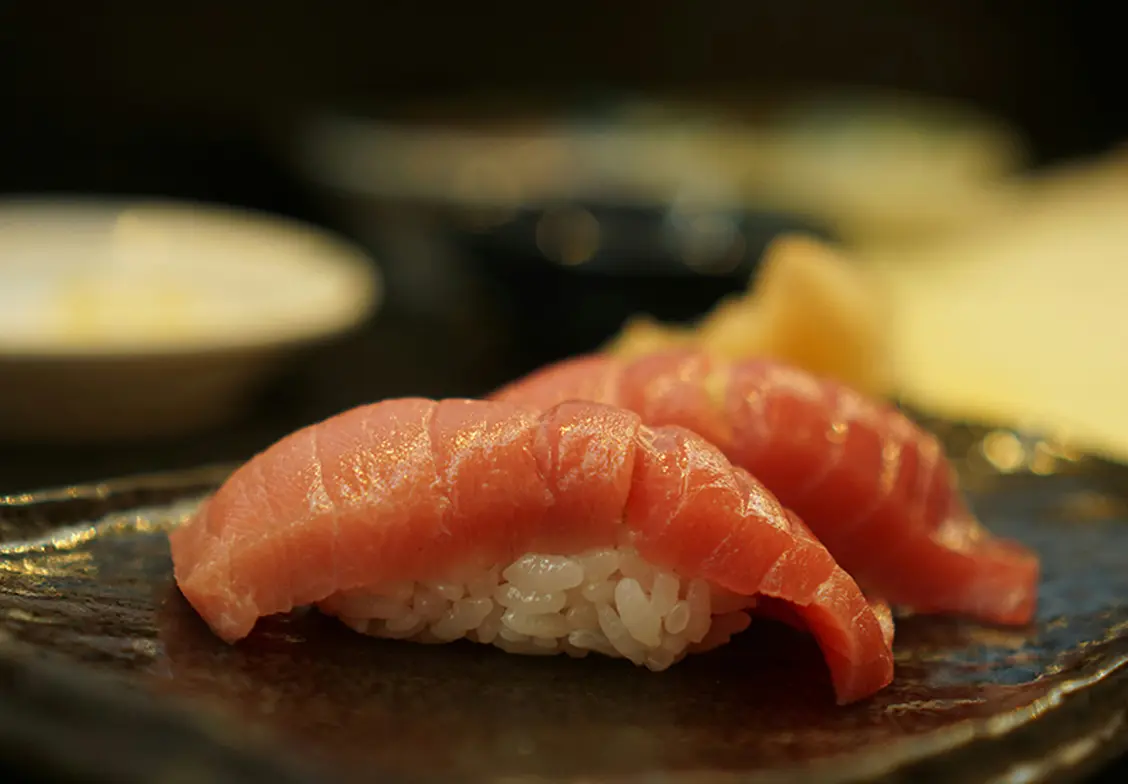
Two phrases bracket every meal in Japan. いただきます itadakimasu, said before eating, acknowledges that a life — a plant’s, an animal’s — was taken to make the meal possible; it is closer to a small act of respect than a table manner. ごちそうさま gochisōsama, said after, thanks whoever prepared the food, and by extension nature itself for providing it. Both phrases, and the etiquette built around them, are covered in full in a companion article on itadakimasu and gochisōsama.
A third word extends the same idea outward: おすそ分け osusowake, giving someone a portion of something you have received or grown yourself — extra vegetables from a garden, a box of regional sweets brought back from a trip. The English word “sharing” covers the mechanics of it; osusowake carries the further idea that abundance is meant to circulate, not be kept.
Words That Hold Relationships Together
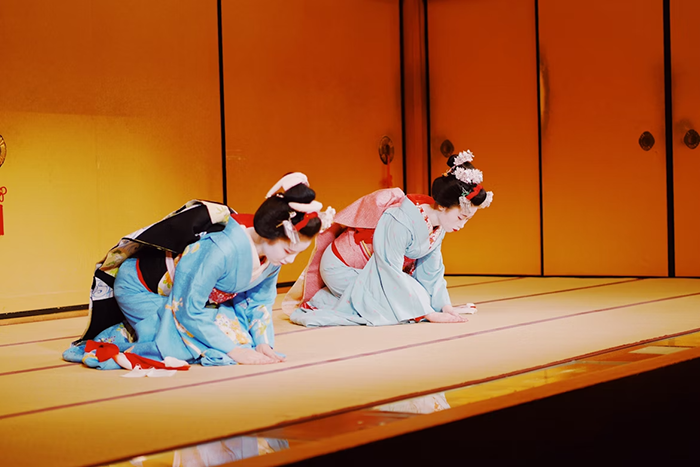
A handful of Japanese phrases exist specifically to maintain a relationship, rather than to convey information.
お疲れさま otsukaresama acknowledges someone’s effort — said to a colleague at the end of a workday, regardless of how the day went. よろしくお願いします yoroshiku onegaishimasu has no fixed English equivalent at all: it opens a request, seals an introduction, and closes a first meeting, all with the same phrase, roughly meaning “I place myself in your good hands going forward.”
おかげさまで okagesama de — literally “thanks to your shadow,” meaning your unseen support — is said when reporting one’s own good news, and it attributes that good fortune to the people and circumstances around the speaker rather than to the speaker’s own effort. It is a small act of humility, built directly into the grammar of the language.
A Note on Sound and Feeling
Japanese also reaches for sound to render a feeling directly: ドキドキ dokidoki for a pounding heart, ワクワク wakuwaku for excited anticipation, ふわふわ fuwafuwa for something soft and light. English has its own onomatopoeia, but Japanese has vastly more of them, tuned to draw distinctions most languages leave unmarked. A companion article on this site works through the fuller vocabulary, season by season; the three words above are only a first taste of it.
In Closing
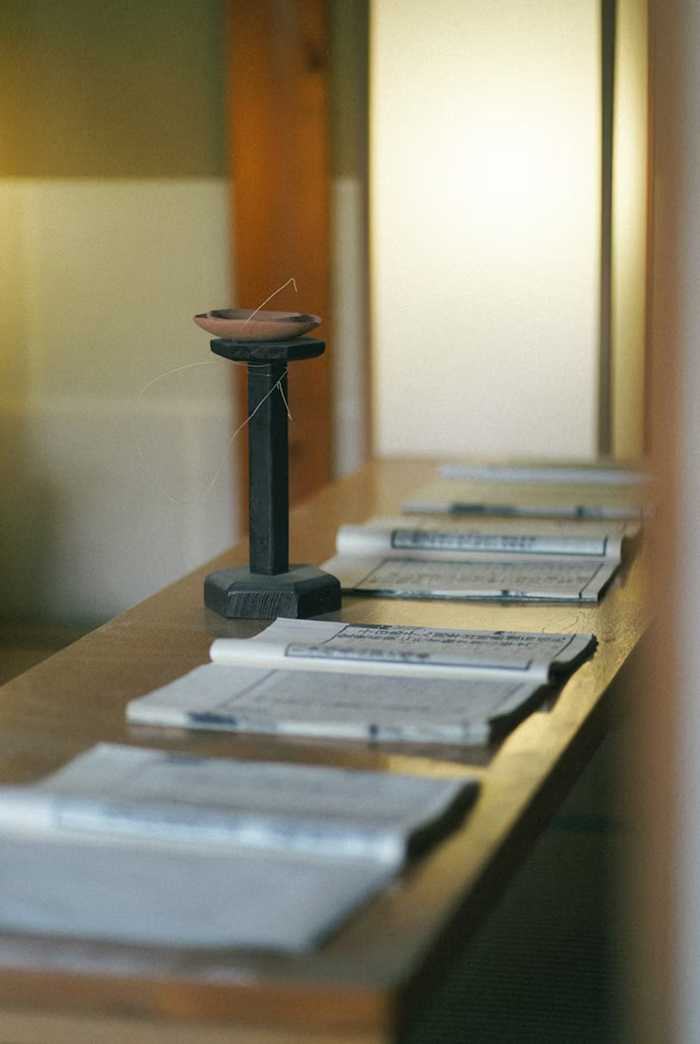
None of the words above is simply a synonym waiting to be matched to an English one. わびさび, いただきます, おかげさまで — each carries a piece of how Japanese culture treats nature, other people, and one’s own success: with respect, with consideration, and with a determined humility about taking credit. That is what makes them resist translation, and also what makes them worth learning as more than vocabulary. A word like this is usually the shortest route into the values behind it — new to a foreign ear, but built around instincts that are not, in the end, so foreign at all.
KOTO is a journal of Japanese craftsmanship, culture, and the aesthetic sense behind them.
- SHARE
-


( daily-life )