








The Four Seasons of Japan: The Landscape and Customs Each One Brings
Japan’s identity as an island nation shaped a culture distinct from its neighbors, and its seasons are no exception. The country calls them shiki, the four seasons, and each one carries its own character and its own attractions.
Plenty of countries have four seasons. What may be harder to find elsewhere is a set of seasons this different from one another, each with a full identity of its own. What follows is a season-by-season look at the Japan worth knowing through its shiki.
The Character of Each Season
Spring
Spring runs roughly from mid-March into May. Temperatures climb gradually, plants bud and flower, and the air turns easier to be outside in, though low-pressure systems still bring plenty of windy days.
In Japan, spring also carries a strong association with graduation and school-entrance ceremonies, and with it a reputation as the season of meetings and partings.
Sakura, the Flower Worth Watching
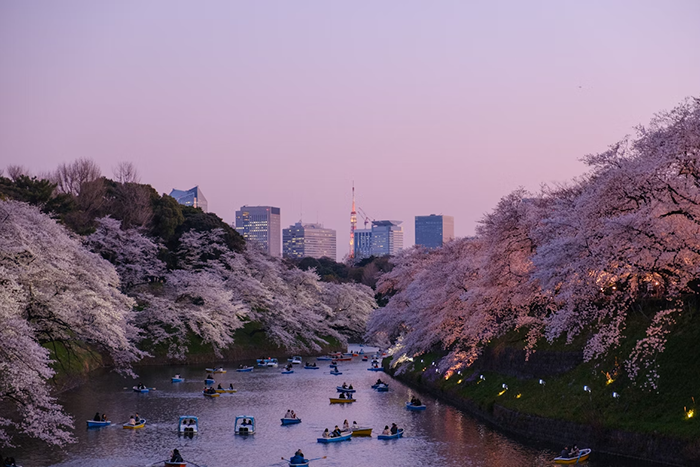
This is the season in which sakura, cherry blossoms, one of the things Japan is proudest to show the world, come into bloom. Varieties differ by region and appear across the country in a wide range of forms, among them yamazakura, oyamazakura, the widely planted someiyoshino, weeping shidarezakura, and the layered yaezakura.
Many well-known cherry blossom viewing spots have become destinations in their own right, drawing visitors from well beyond Japan, and the sight is one worth making time for.
Tsuyu, the Season Wedged Between Spring and Summer
Tsuyu, the rainy season, is not technically counted among the four seasons, but no account of Japan’s seasonal calendar is complete without it. It runs roughly from June into July, as the year moves from spring toward summer, and it brings a stretch of days with steady rain. A season built around rain falling quietly, day after day, has left its mark on Japanese language and custom in its own right.
Summer
Summer covers July and August, the hottest stretch of the year.
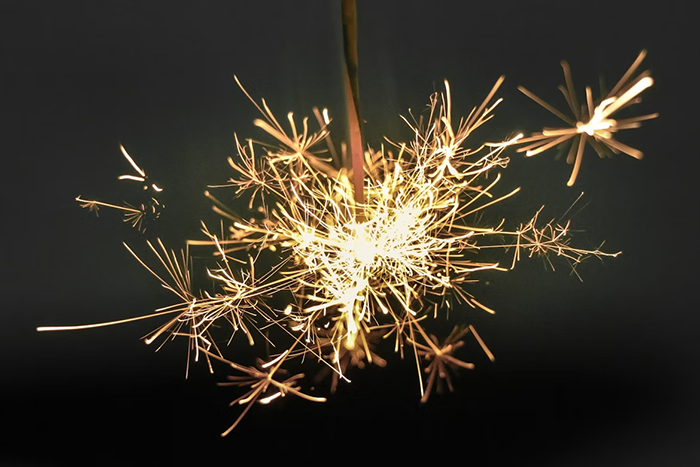
It is a season for marine sports and camping around the coast, lakes, and rivers, but two traditions define it just as strongly: hanabi, fireworks, and matsuri, festivals. Fireworks in particular have become shorthand for a Japanese summer, turning up even now as a recurring motif in songs written about the season.
Kakigori shaved ice, somen noodles, and watermelon round out the list of foods that belong to summer specifically, cold and easy to eat, and useful for cutting through the heat.
A Modern Japanese Summer Runs Hotter
Global warming has been documented worldwide in recent years, and Japan is no exception. More regions now regularly see temperatures above 35°C, to the point that simply going outside has become harder to do casually. In 2026, Japan adopted a new term, gokushobi, “extreme heat day,” specifically for days that reach 40°C.
Even so, the response has not simply been to endure the heat. Japan’s long habit of working in harmony with nature shows up in a set of practical measures built into everyday life.
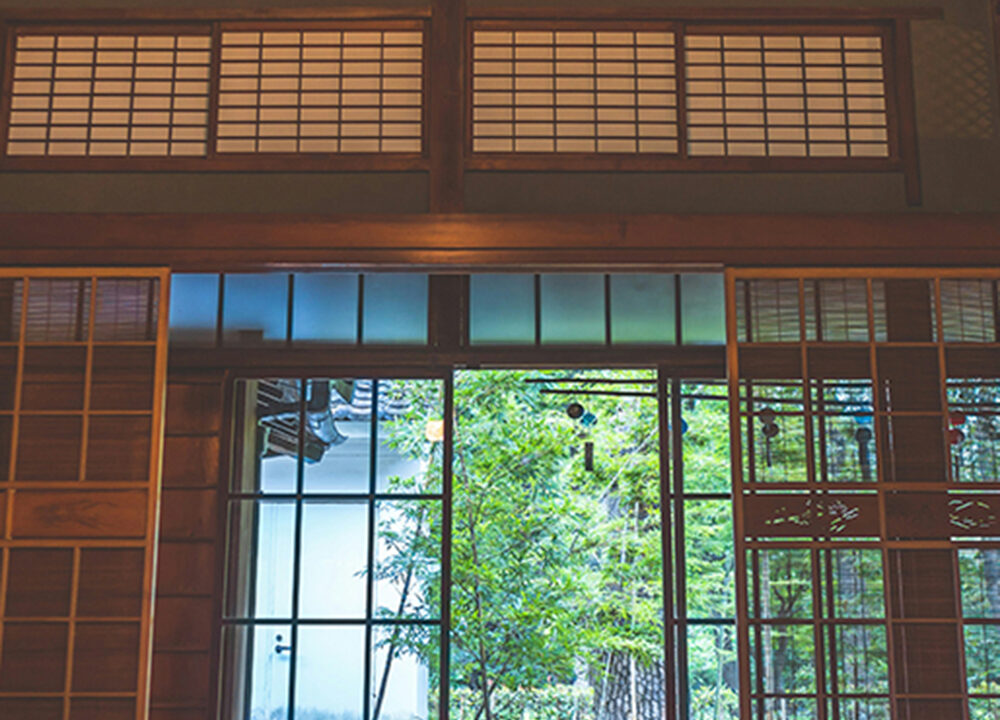
Traditional homes hang sudare and yoshizu, woven blinds of bamboo or reed, from spring into summer to soften the sunlight coming through doors and windows. Both are still a common sight across the country in this season.
Interior fusuma sliding doors are sometimes removed altogether to open up airflow through the house, and uchimizu, sprinkling water across the entryway to cool the ground and the air above it, remains a familiar summer habit.
Autumn
Autumn runs from roughly September through November, the most comfortable stretch of the year to be outdoors.
It is known as the season of appetite, when seasonal ingredients like sanma (Pacific saury), salmon, chestnuts, persimmons, mushrooms, and Shine Muscat grapes fill the shops. Rice, one of the things Japan is most known for growing, is also harvested in this window, and eating a meal in gratitude for a good harvest is one of autumn’s particular pleasures.
Momiji, Autumn’s Foliage
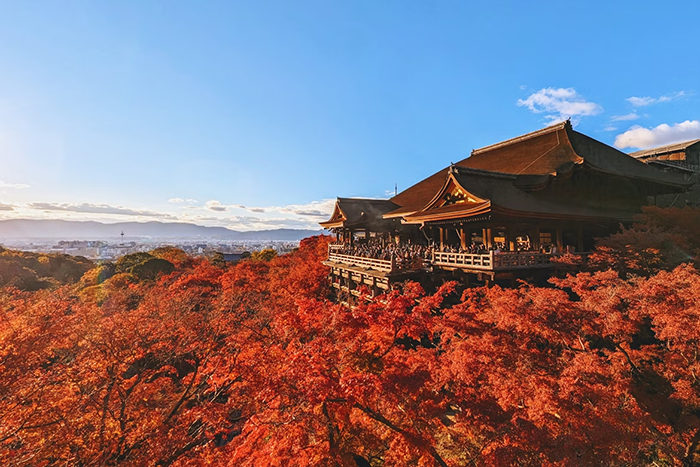
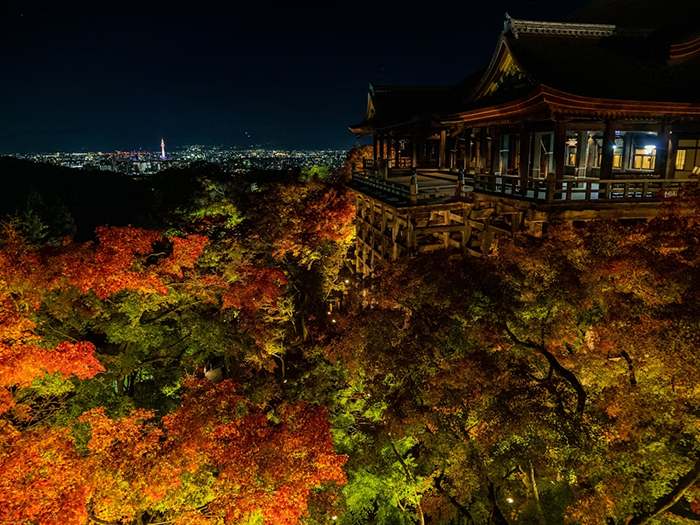
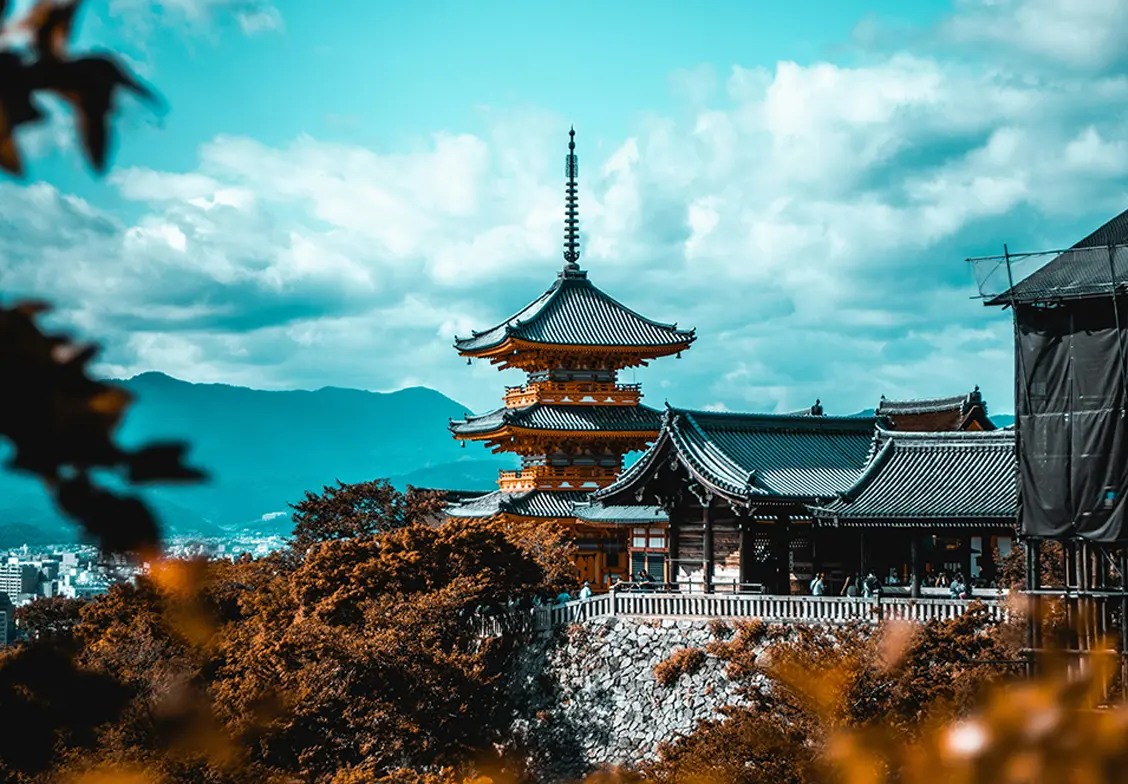
Momiji, the turning of the leaves, is another of Japan’s celebrated seasonal sights. It is rarely seen within city limits; driving out to the countryside and along mountain roads is usually what it takes to find the reds, yellows, and oranges at their fullest.
Viewing the foliage this way is called momijigari, “leaf hunting,” a custom with a long history and one that turns up often in Japanese literature and painting.
The best viewing window runs roughly from mid-October to late November, though the exact timing shifts by region and by year, so it is worth checking ahead before planning a trip specifically to see it.
Winter
Winter, the coldest season, runs from December into March.
Snow falls as a matter of course in Hokkaido, Tohoku, Hokuriku, and the mountainous parts of northern Kanto, and the resulting landscape, sparkling white under the light, can look genuinely like scattered jewels.
The season is also packed with events: Christmas, the year-end and New Year holidays, and Valentine’s Day among them. City streets fill with illumination displays, adding a festive charge to the darker months.
On the food side, winter brings a wave of seasonal ingredients: mandarin oranges, oysters, crab, oden, strawberries, and yellowtail. Soba noodles and mochi in particular are considered indispensable on New Year’s Eve and through the New Year, and for many families, sitting down to a warm meal with relatives who have traveled home for the holidays is one of the season’s real pleasures.
Keeping Warm, in Several Ways
Traditional Japanese houses were built to let air move freely through them, which also means the cold has an easy time getting in during winter. Staying warm through the season has long been a genuine design problem.
The kotatsu, a low table with a heat source built in and a blanket draped over the frame, is the country’s best-known answer, and its pull, once someone sits down inside one, is famously hard to resist. In older houses, a kotatsu was often paired with swapping fusuma and shoji panels for heavier versions and laying carpet over the tatami.
Modern homes rely more on air conditioning, along with kerosene heaters and fan heaters, and as a result fewer households keep a kotatsu than they once did. It still holds its place, though, as Japan’s signature piece of winter furniture. Well-insulated modern housing keeps warm air from escaping the way older houses did, but time spent tucked inside a kotatsu remains worth holding onto.
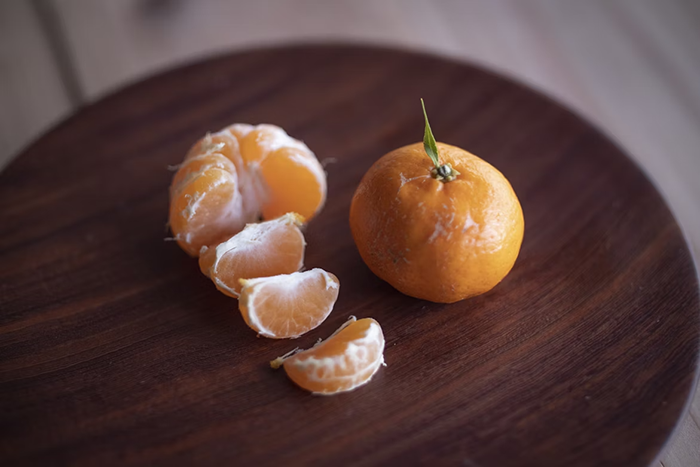
Mandarin oranges left sitting on top of a kotatsu, within easy reach, is an image that still holds true today.
The Custom of Marking the Seasons at Home
Alongside the seasonal character described above, Japanese homes carry their own custom of marking the season directly, through what is displayed in and around the house. Decorating this way, in particular, is one of the more direct ways the four seasons show up in daily life.
The Entryway
At the front door, wreaths made with seasonal flowers are a common decoration, changing color and character through the year and giving the daily routine of coming and going a small lift.
Many households also keep ceramic animal figurines near the entrance or nameplate, most often frogs, cats, owls, or shisa lion-dogs. The frog in particular carries a wordplay meaning: kaeru, “frog,” is a homophone for kaeru, “to return home,” so the figure doubles as a wish for a safe return.
New Year’s decorations belong here too: shimenawa, the twisted straw rope; kadomatsu, the pine-and-bamboo arrangement; and kagamimochi, the stacked rice cakes, are all auspicious objects meant to celebrate the start of the new year. In some regions, a shimenawa is even tied to a car’s license plate for the occasion.
The Garden
Seasonal flowers are common in the garden as well, usually in pots, though households with more space, or an adjoining field, sometimes plant them directly in the ground. A rough seasonal list looks like this:
Spring: tulip, anemone, marguerite daisy, wisteria, cherry blossom, plum blossom
Summer: salvia, sunflower, morning glory, marigold
Autumn: cosmos, gentian, fragrant olive, chrysanthemum
Winter: pansy, cyclamen, camellia, ornamental cabbage
The Tokonoma
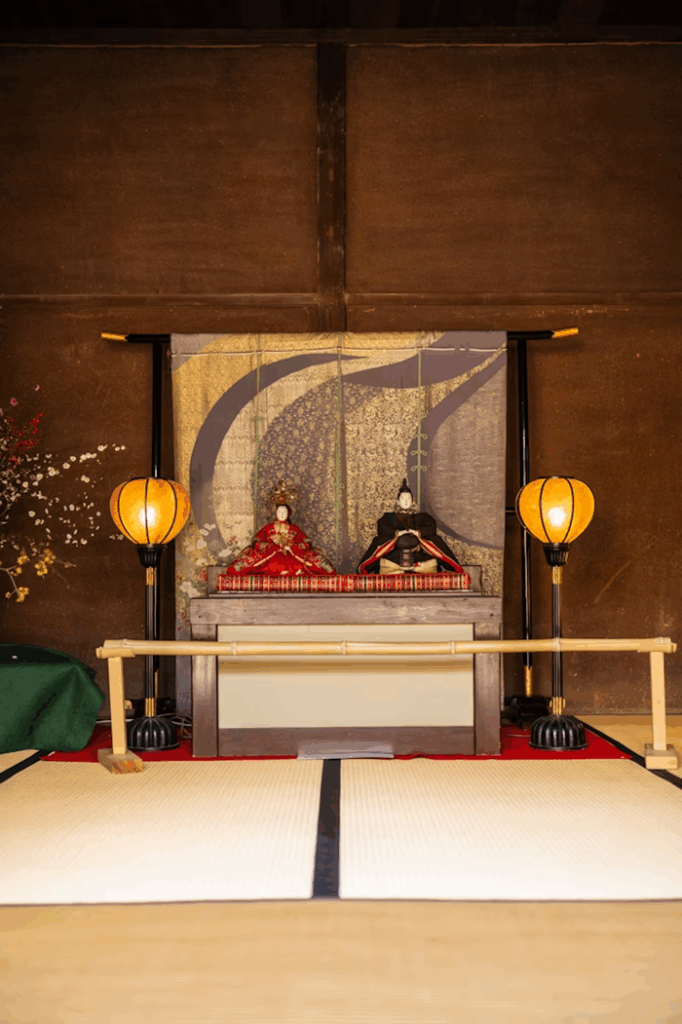
Anyone who has stayed in a Japanese-style room may have noticed a slightly raised alcove set into one wall. This is the tokonoma, and it appears in a great many traditional Japanese homes. It traces back to shoin-zukuri, the architectural style that established the prototype for the modern washitsu room, during the Muromachi period.
A tokonoma is typically dressed with seasonal flowers and a hanging scroll, its painted motif chosen to match the time of year, which lets a household register the changing seasons even indoors.
Hinamatsuri, the Doll Festival held every March 3, with its display of ornamental hina dolls, is one of the best-known seasonal customs built around exactly this kind of home display.
Closing Thoughts
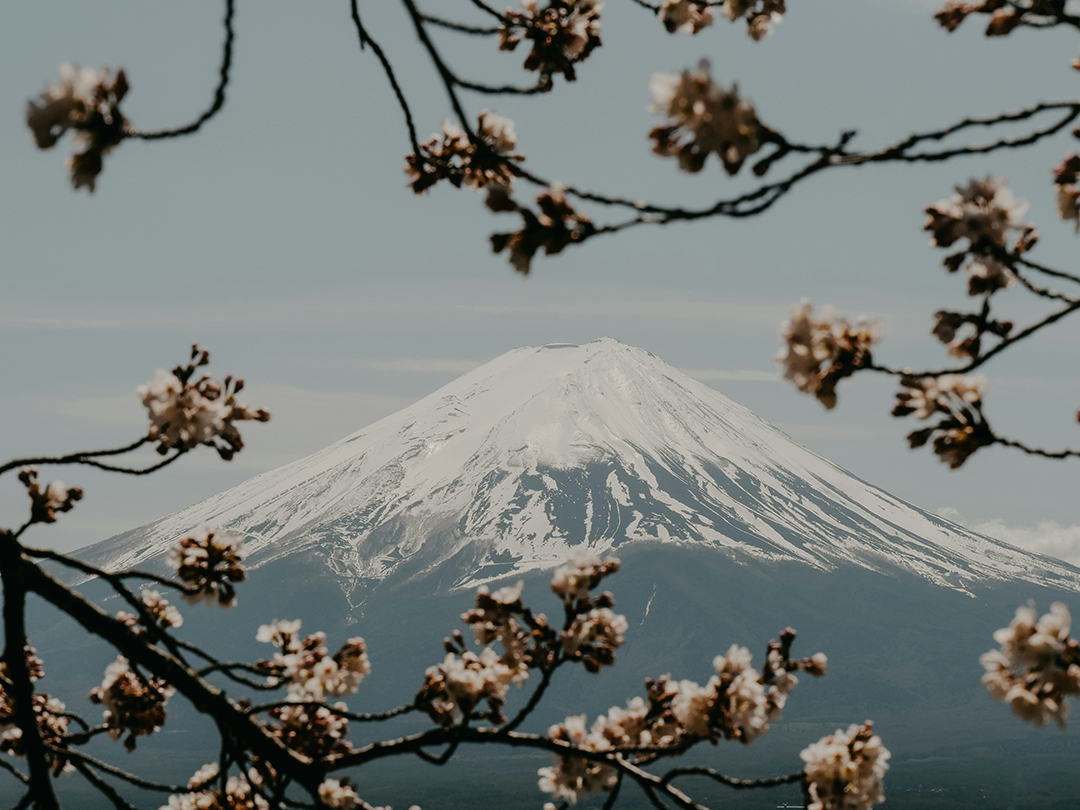
This article has looked at the Japan worth knowing through its four seasons: spring for its cherry blossoms, summer for the sea and its fireworks, autumn for its foliage, winter for its snow. Each season carries its own distinct pull, and each has left its mark on how people eat and how they build and furnish a home.
A single visit rarely covers more than one or two of these seasons. Returning to experience a season not yet seen is, in its own way, the surest route to understanding what makes Japan’s shiki worth the attention.
For anyone visiting Japan, the four seasons, in all their variety, are well worth seeking out firsthand.
KOTO is a journal of Japanese craftsmanship, culture, and the aesthetic sense behind them.
- SHARE
-


( landscape )