






Japanese Tableware and the Seasons: How Kyoto Sets a Table Through the Year
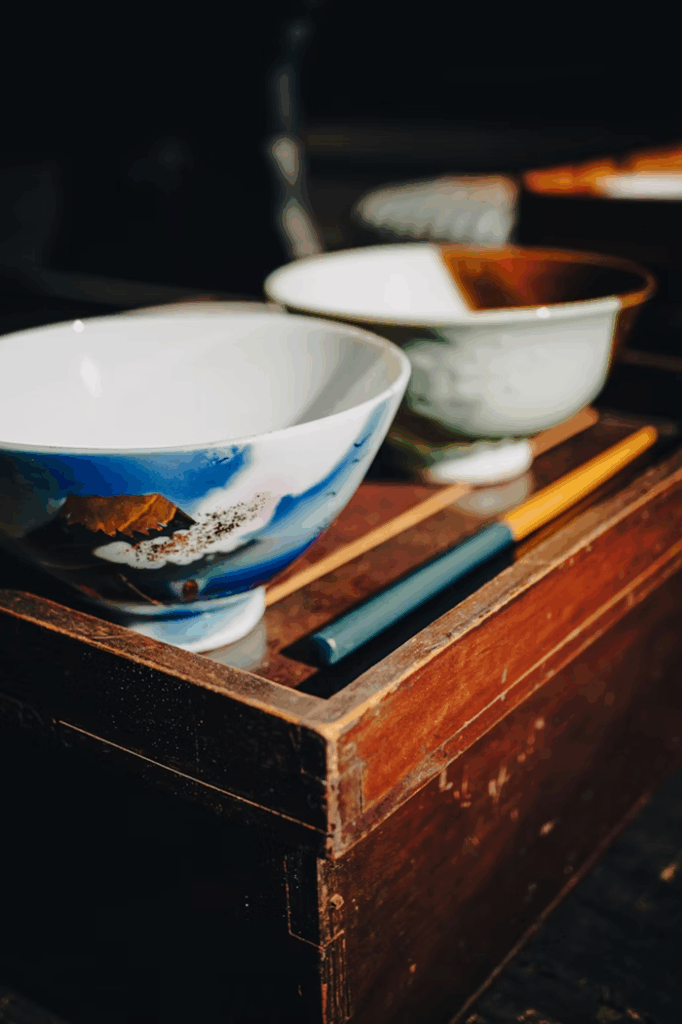
Morning light catches a bowl of miso soup, steam rising above a scatter of small dishes on a Kyoto breakfast table. Change a single vessel and the whole meal reads differently — the mood of the table shifts along with it.
In Japan, tableware was never built simply to hold food. 和食器 washokki — Japanese tableware — has long carried the changing of the four seasons and the sensibility of the people who chose it. In Kyoto, the way a household selects its dishes is tied to the rhythm of daily life and to the calendar of annual events, and vessels have quietly kept order in the home this way for generations.
What follows is a guide to the types of Japanese tableware, the materials behind them, and the habits — rooted in Kyoto’s food culture — for putting them to work in a modern kitchen.
What Japanese Tableware Reflects: The Four Seasons and a Sense of Beauty
A vessel is never only a container. It is also a stage that sets the mood of a season.
Change the shape, the color, or the way a piece feels in the hand, and the same dish can look entirely different. Spring calls for a cherry blossom motif; summer for celadon or glass; autumn for the warmth of earthenware; winter for the deep sheen of lacquer.
This habit of matching the vessel to the season is one of the clearest expressions of how Japanese people have learned to enjoy the passing of the year.
Know the Types and the Materials
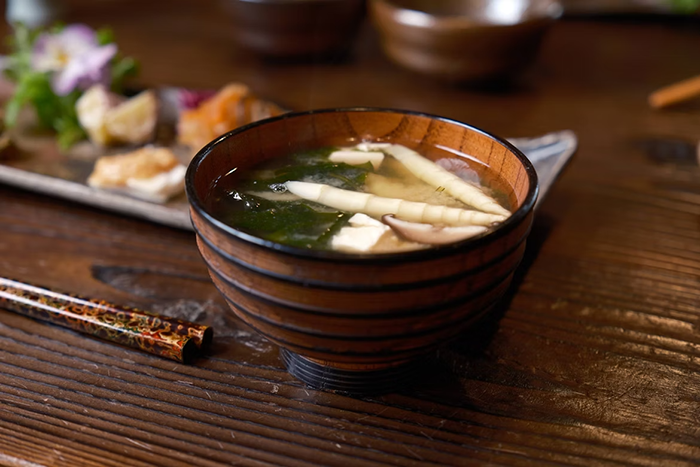
Knowing which vessel suits which dish is enough, on its own, to make a familiar meal look new.
Pottery and Porcelain: Their Character, and When to Use Each
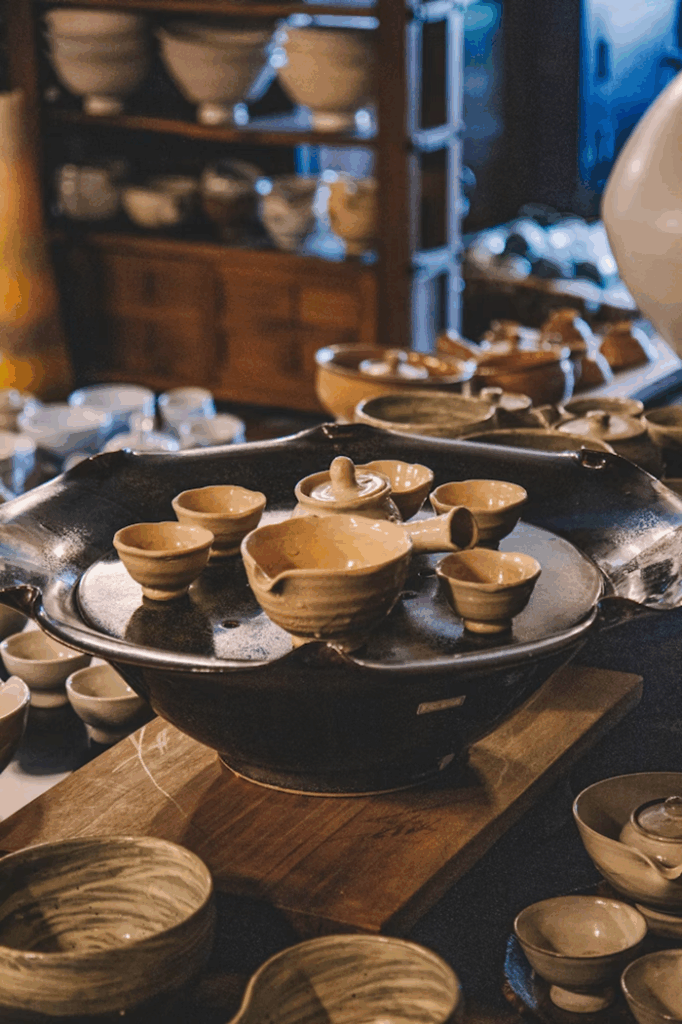
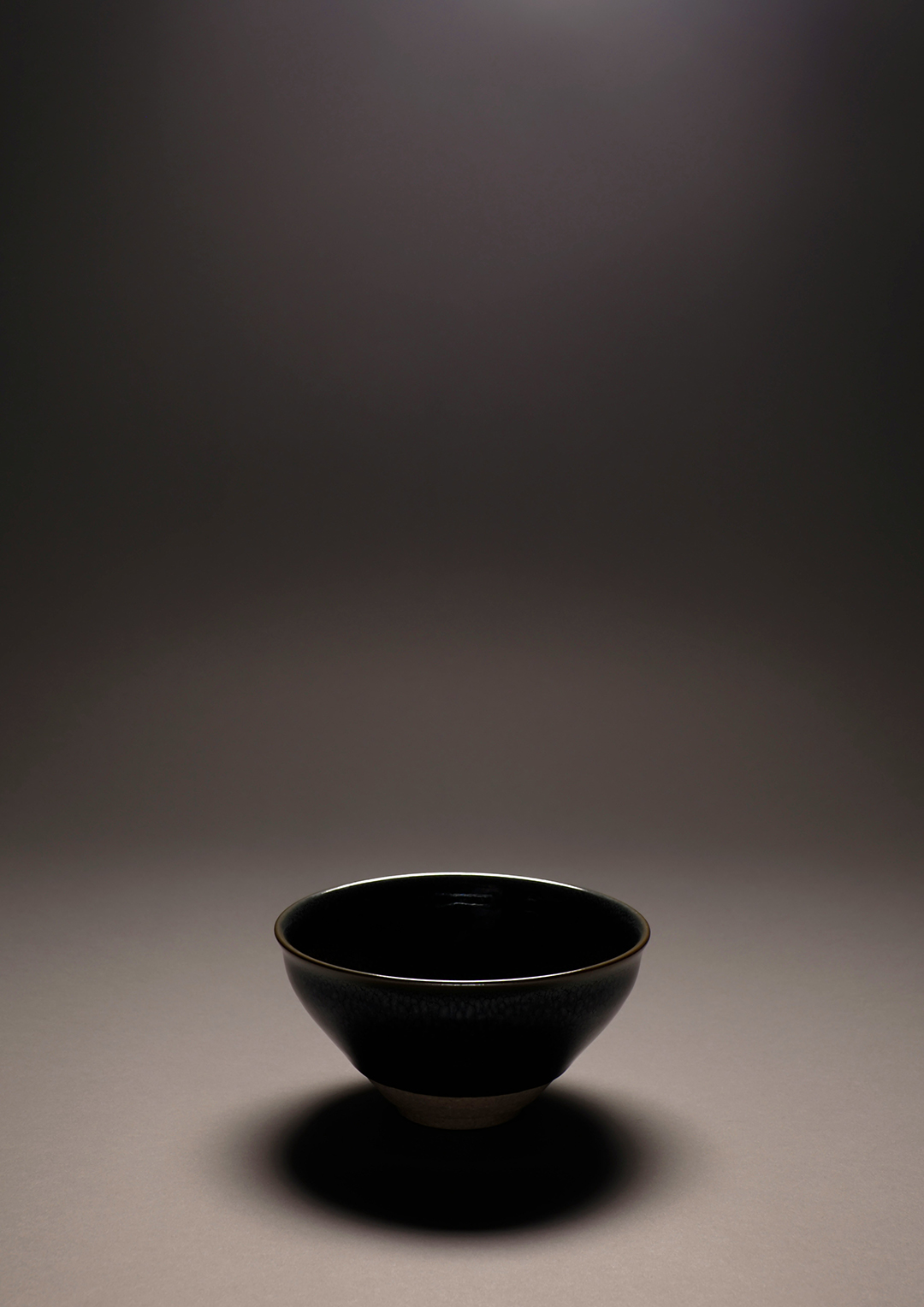
陶器 toki — pottery, fired from clay — has an earthy plainness to it, and suits dishes that need to be received gently: simmered vegetables, slow-cooked one-pot dishes. The way its 釉薬 yuyaku, glaze, pools and breaks across the surface rewards a closer look, and a slightly loose, unstudied way of plating suits it best.
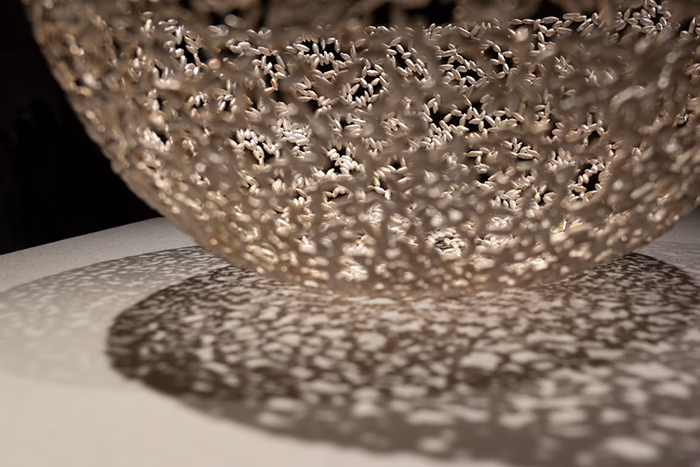
磁器 jiki — porcelain — is hard, thin, and precise. 白磁 hakuji, white porcelain, and 染付 sometsuke, its blue-and-white painted cousin, give food a crisp, composed look, and both pair well with sashimi or dishes dressed in a light sauce.
A simple rule for daily use: porcelain for the main plate, pottery for the bowl.
Lacquerware, Metal, and Glass: Where the Color Comes From
漆器 shikki — lacquerware — insulates well, and a lacquer soup bowl feels soft against the lips. The contrast of black and vermilion lacquer is reserved, by long habit, for celebrations.
Among metal vessels, tin and copper are the standard-bearers. A tin ぐい呑み guinomi, a small sake cup, is said to keep sake cold longer, thanks to how quickly the metal conducts heat away. The old claim that tin also “rounds out” the flavor of the sake is closer to folklore than fact; what the metal actually delivers is speed of temperature change, nothing more mysterious than that.
Glass is summer’s vessel of choice. Anyone who remembers a bowl of chilled tomatoes served at a grandmother’s table in July will recognize the color glass adds to a hot season. Switch back to earthenware and lacquer once winter arrives, and the change of season becomes something felt at the table, not just seen outside it.
The Vessel Culture Kyoto Still Lives By
Kyoto’s food culture rests on a simple idea: eat what is in season, and the body keeps its own order. Tableware is what lets a household feel that idea, rather than merely understand it — through the eye, and through the hand.
Changing Vessels with the Twenty-Four Sekki
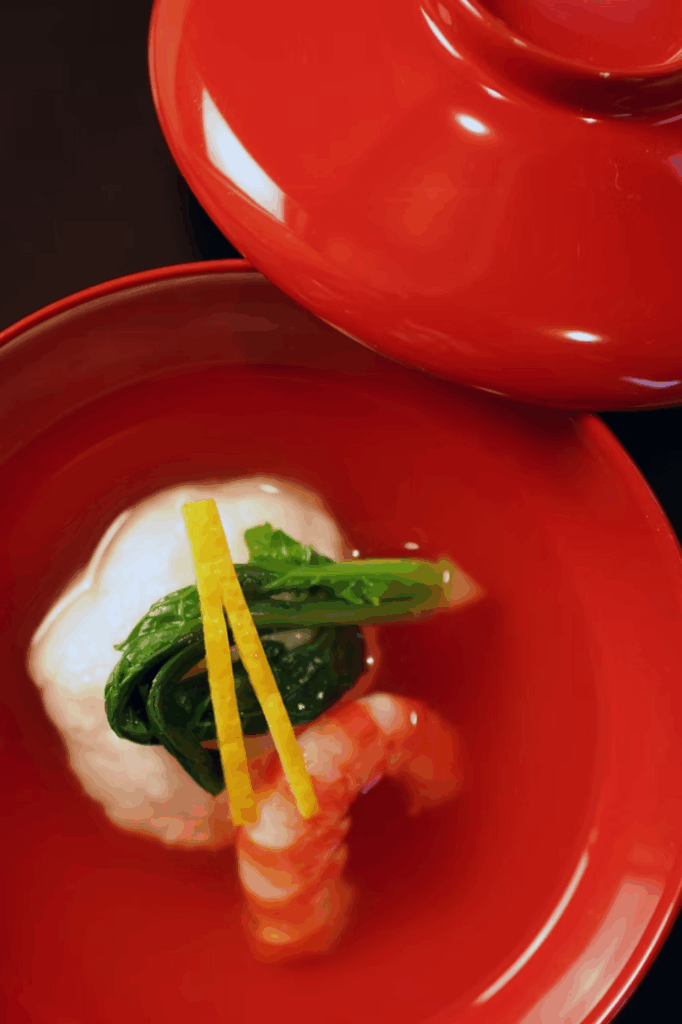
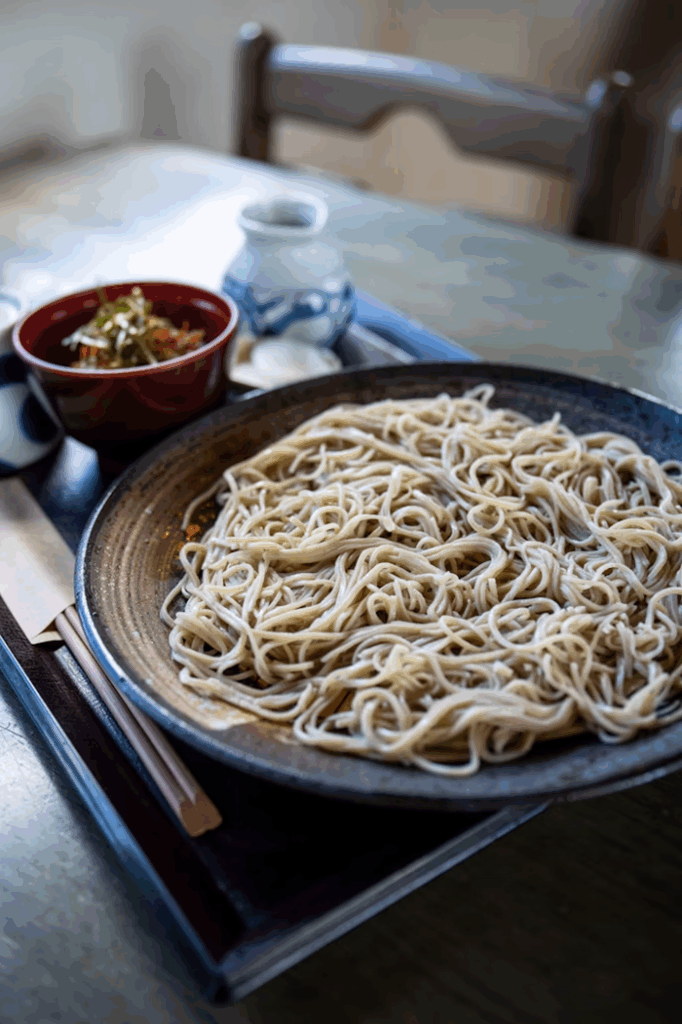
White porcelain for 立春 risshun, the first day of spring. Celadon for 清明 seimei, early April. Glass for 小暑 shosho, early July. 灰釉 kaiyu, ash-glazed ware, for 寒露 kanro, early October. The deep sheen of a lacquer bowl for 冬至 toji, the winter solstice.
二十四節気 nijushi sekki, the twenty-four solar terms that divide the Japanese year into finer micro-seasons, each bring their own change of tableware — a small, deliberate way of welcoming the season in.
“Serve what is warm while it is still warm, and what is cold while it is still cold.”
Materials and shapes are chosen with that in mind, and the cupboard itself changes with the calendar: pieces are polished, put away, brought back out. It is a small set of gestures, repeated through the year, and it is exactly this that has kept the household in order.
Vessels and Rituals, Passed Down
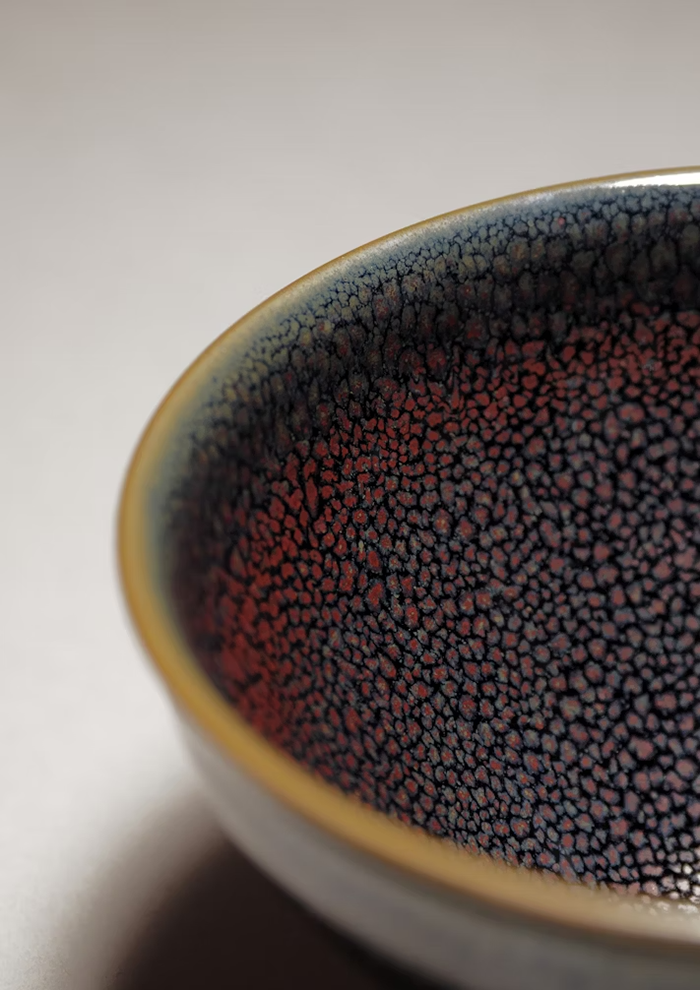
Tiered 重箱 jubako lacquer boxes for the New Year. 盃 sakazuki, ceremonial sake cups, for the 節句 sekku, the seasonal festivals. Vermilion-lacquered ware for anything worth celebrating.
Fixed customs like these keep the memory of an event alive and mark a household’s history as it passes down. When the right vessel is already decided, preparation turns into a sequence anyone can follow, and children absorb the gestures simply by watching them repeated.
Old vessels are repaired and passed on; new vessels are worked gradually into daily use. Holding both of those habits at once is what keeps Kyoto’s vessel culture alive today.
Choosing Tableware for Daily Life
There is no need to acquire everything at once. Start with the pieces that will actually be used, and that is enough.
The Basic Set Worth Owning First
Sizes below are given in 寸 sun, a traditional Japanese unit of length (1 sun is about 3 cm), alongside their metric equivalent.
– A 7-sun rimmed plate (about 21 cm / 8.3 in): does everything from a main course to a Western-style dish
– A 6-sun bowl (about 18 cm / 7 in): for simmered dishes or anything with broth
– Small side plates, from 豆皿 mamezara, “bean dishes,” up to 5-sun: for condiments and small servings
– A rice bowl and a soup bowl: the two used every day. Give the rice bowl in earthenware and the soup bowl in lacquer, and the table gains real expression
– A long plate: for grilled fish or an arrangement of appetizers
– A teacup and a sake cup: for after the meal, or an evening drink
Add a few pieces with a seasonal feel — celadon, glass — to this basic set, and the table brightens noticeably.
Working It Into a Modern Kitchen
Keep microwave- and dishwasher-safe porcelain as the everyday default, and bring out lacquer or earthenware for occasions and weekends — the habit holds without becoming a burden.
Store pieces where they can be seen rather than shut away, and they find their way into daily use naturally; keep favorites in view, and the number of times a vessel actually reaches the table goes up on its own.
When plating, keep three things in mind: negative space, a change of height, and a touch of color. Leave the center of the plate uncovered, give the food a slight lift, add a single note of green or yellow — small adjustments, and the whole plate reads differently.
When buying more, look for a different material doing the same job as something already owned — white porcelain for the 7-sun plate, then ash-glazed ware; earthenware for the bowl, then blue-and-white porcelain — and the possible combinations multiply fast.
Closing
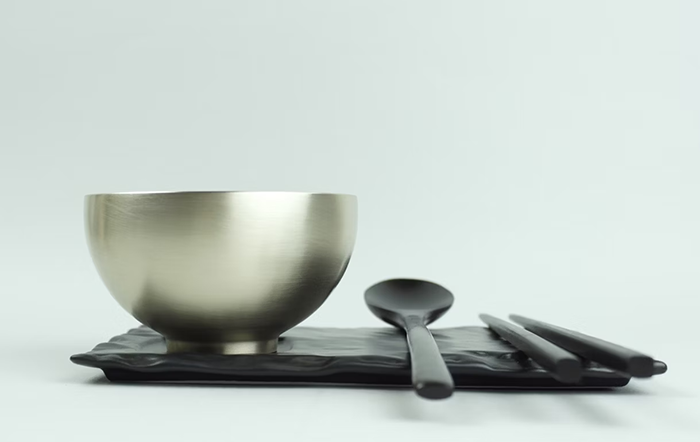
A vessel is never simply a container. It reflects the season, and it quietly marks the turning points of daily life.
In Kyoto, people repair old vessels and pass them on, and bring new vessels gradually into use — both habits held at once, without much thought given to either.
Choosing even one vessel that suits daily life is enough to change a table, a little at a time.
What will you choose for the next meal?
It might be worth finding out what a single vessel can do.
KOTO is a journal of Japanese craftsmanship, culture, and the aesthetic sense behind them.
- SHARE
-


( daily-life )