








Japanese Fermented Foods: Miso, Natto, Koji, and the Diet Behind a Long Life
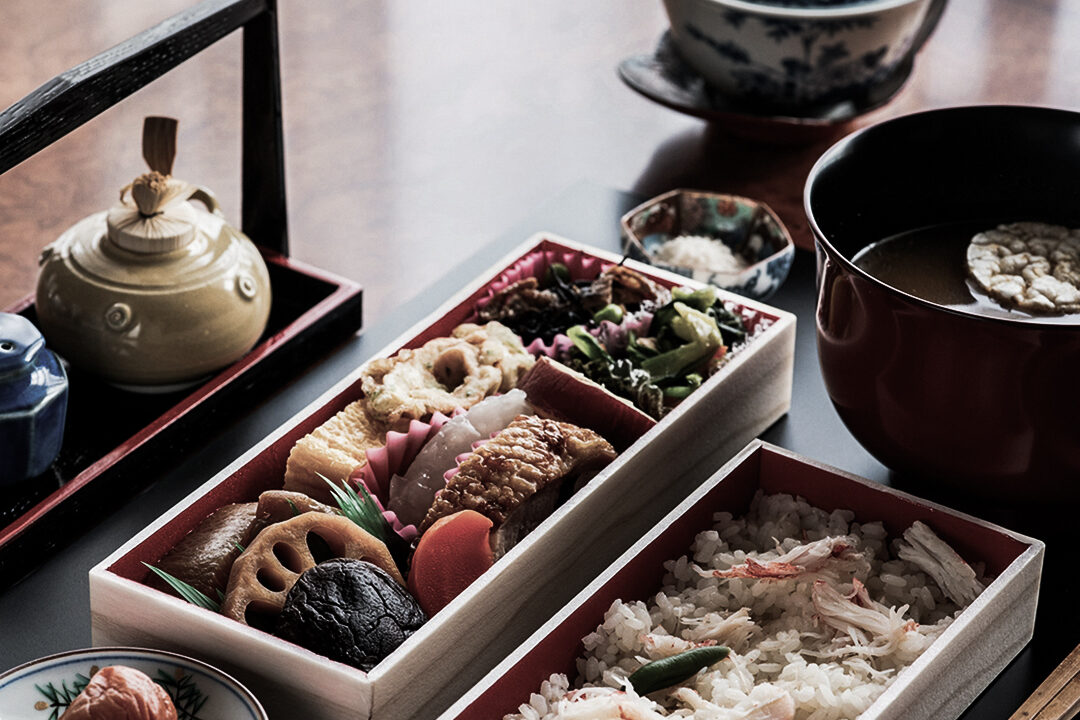
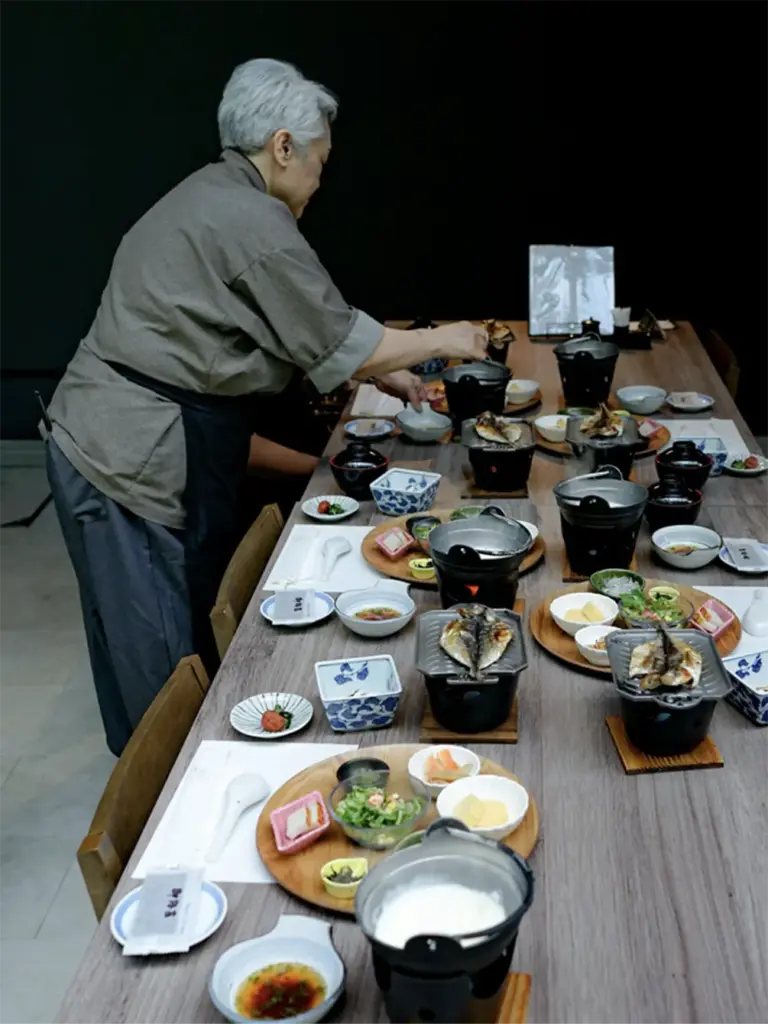
A bowl of miso soup at breakfast. A few slices of pickled vegetable beside the rice. A spoonful of natto, stirred until it turns pale and stringy, poured over a bowl of rice. None of this reads as unusual in Japan — it is simply what breakfast looks like in a great many households, and has for a very long time.
Behind that ordinariness sits 発酵食品 hakko shokuhin — fermented foods — a category that has drawn attention abroad as one of the keys to Japanese health and longevity. Miso, soy sauce, pickles, and natto are staples of the everyday table. Microbes do the work: they generate umami and aroma, and are said to condition the body from within. In Japan, that work is also understood to enrich something less measurable — a sense of well-being that goes beyond nutrition alone. What follows sets out what fermentation actually is, walks through the fermented foods that define the Japanese table, and looks at why they have remained a fixture of home cooking for so long.
What Is Fermentation?
Fermentation, in this sense, is a change worked on an ingredient by microorganisms that produces an effect beneficial to the people who eat it.
It is easily confused with 腐敗 fuhai — spoilage, or rot — which is the same kind of microbial process producing the opposite result. Put simply: a change that benefits the body is fermentation; the same change, when it turns harmful, is spoilage.
Japan has folded fermentation into its handling of seasonal ingredients for centuries, using it both to preserve food and to draw out umami and aroma. Miso, soy sauce, pickles, and sake number among the fermented foods that remain fixtures of the Japanese table today.
The Fermented Foods That Define the Table
Fermented foods do more than support health — they have produced distinct flavors region by region across Japan. Here are the ones that anchor the everyday table.
Miso 味噌 and Soy Sauce 醤油 (shoyu)
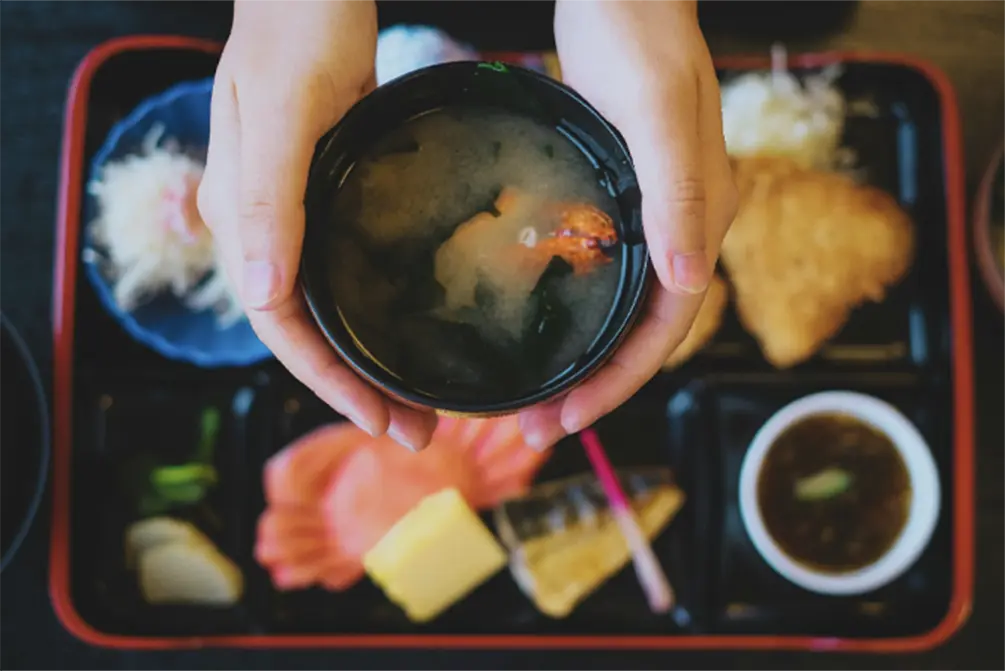
Both made by fermenting soybeans, miso and soy sauce anchor Japanese seasoning. Miso comes in a range of varieties, red and white miso among them, and supplies daily nutrition through miso soup, a near-daily presence at the table. Soy sauce carries a rich aroma and umami, and appears everywhere from simmered dishes and grilled fish to sashimi.
Both are still valued in the home today as seasonings believed to support gut health and long life. Because they are high in salt, moderation matters.
Natto 納豆
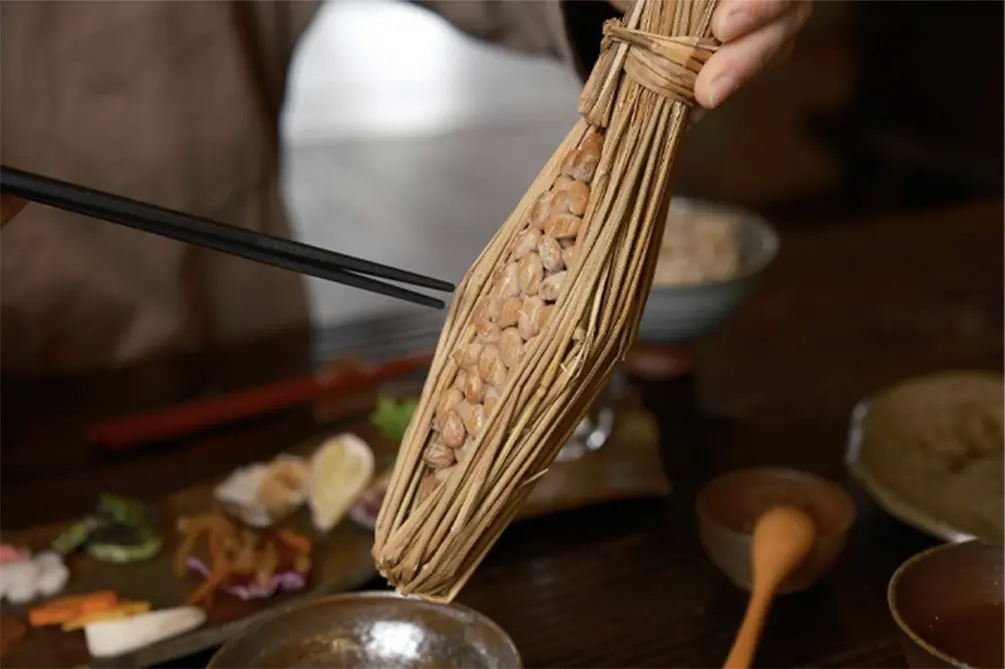
A fermented food particular to Japan, natto is made by fermenting soybeans with 納豆菌 nattokin — natto bacteria. It carries a distinctive smell and stickiness, and is credited with helping regulate digestion and improve blood flow; it also contains vitamin K2, which supports bone health.
Long a fixture of the Japanese breakfast, natto has come to symbolize the country’s habits around longevity and health, and interest in it abroad as a “superfood” has been rising.
Pickles 漬物 (tsukemono)
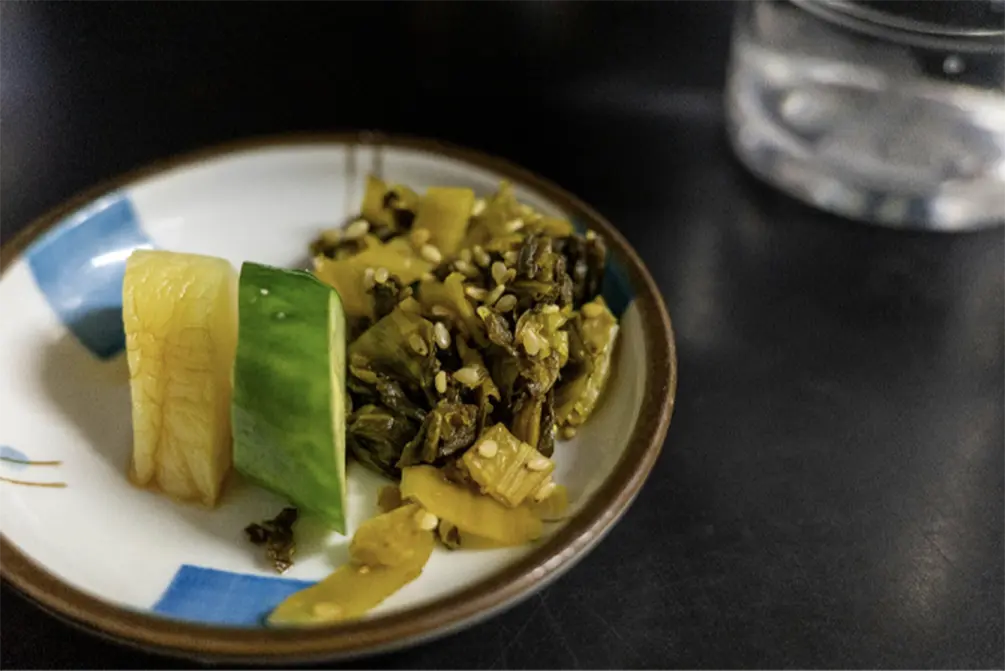
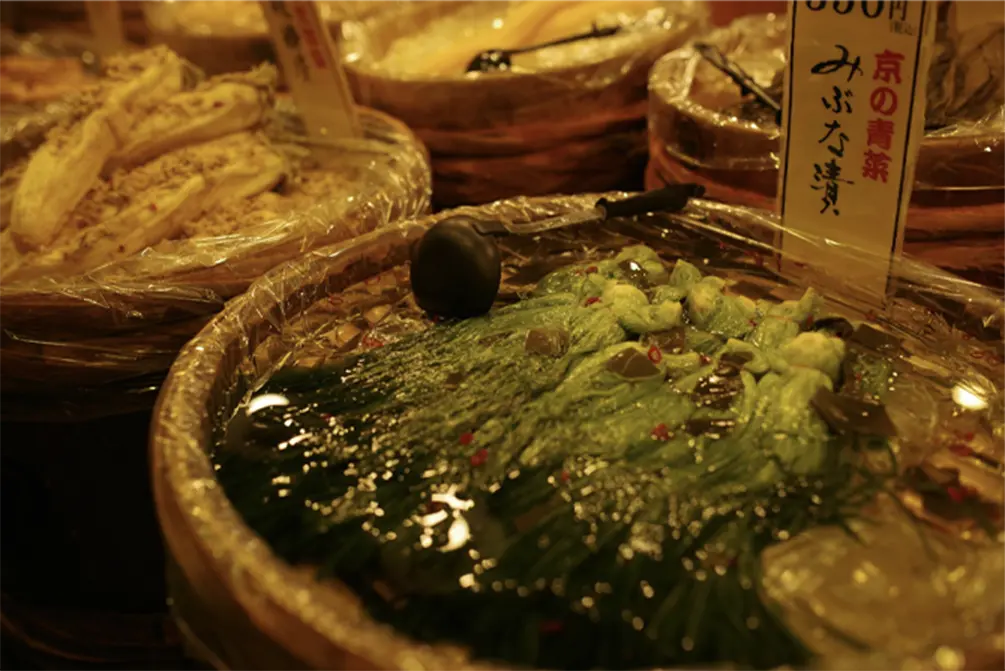
Vegetables salted or packed in 糠 nuka — rice bran — and fermented by lactic acid bacteria: that is tsukemono, a category that extends shelf life while deepening flavor. Quick pickles, 浅漬け asazuke, taste light and clean; long-aged pickles, 古漬け furuzuke, develop real depth. Either way, they bring color to the table.
Tsukemono are also an easy way to take in plant-based lactic acid bacteria, and distinct pickling traditions have taken root region by region across Japan. They remain a near-obligatory companion to a bowl of rice.
Vinegar 酢 (su)
Made by fermenting rice or fruit, vinegar brings a clean acidity that sharpens the flavor of a dish. It goes into 寿司 sushi rice and into 南蛮漬け nanban-zuke — fried fish and vegetables marinated in a vinegar dressing — and sits at the foundation of washoku, Japanese cuisine broadly.
Vinegar is also credited with antibacterial properties and with aiding recovery from fatigue. Its bright acidity stimulates the appetite, and it has become indispensable to everyday cooking.
Mirin 味醂
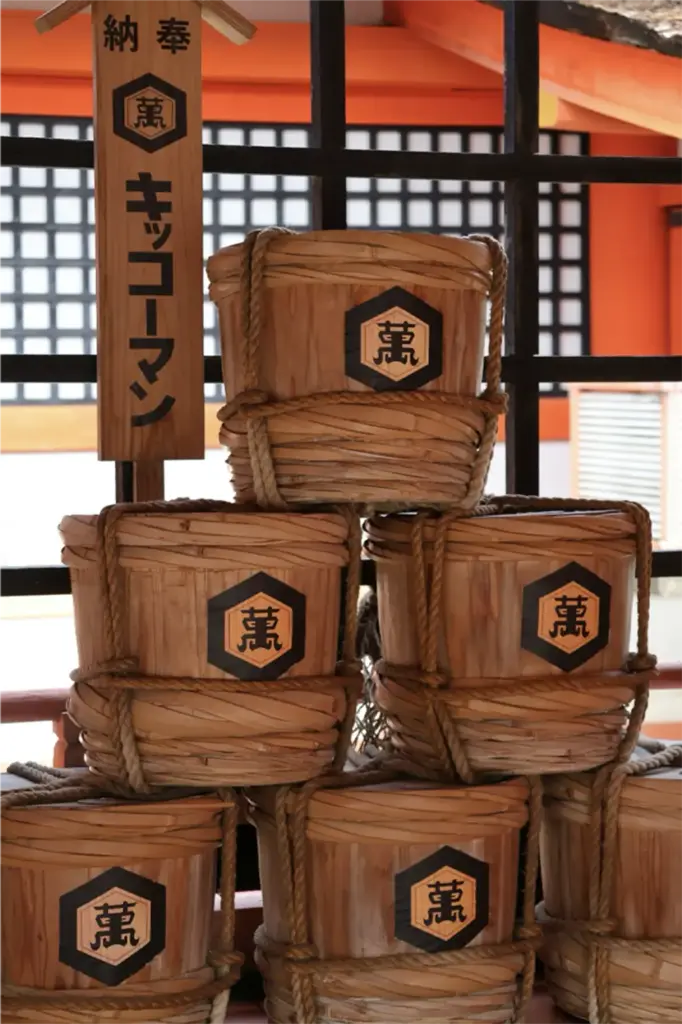
Mirin is a fermented seasoning made from glutinous rice, rice 麹 koji — a mold cultured onto grain, the same starter behind sake and behind miso — and 焼酎 shochu, a distilled spirit. It gives dishes a natural sweetness and a glossy finish, and goes into simmered dishes and the final glaze on teriyaki, work that gives Japanese cooking much of its polished look.
Mirin has been part of home cooking since the Edo period (1603–1868), and professional cooks and home kitchens alike still rely on it today. It is not simply a sweetener — it is a traditional seasoning that builds depth of flavor.
Sake 酒 and Amazake 甘酒
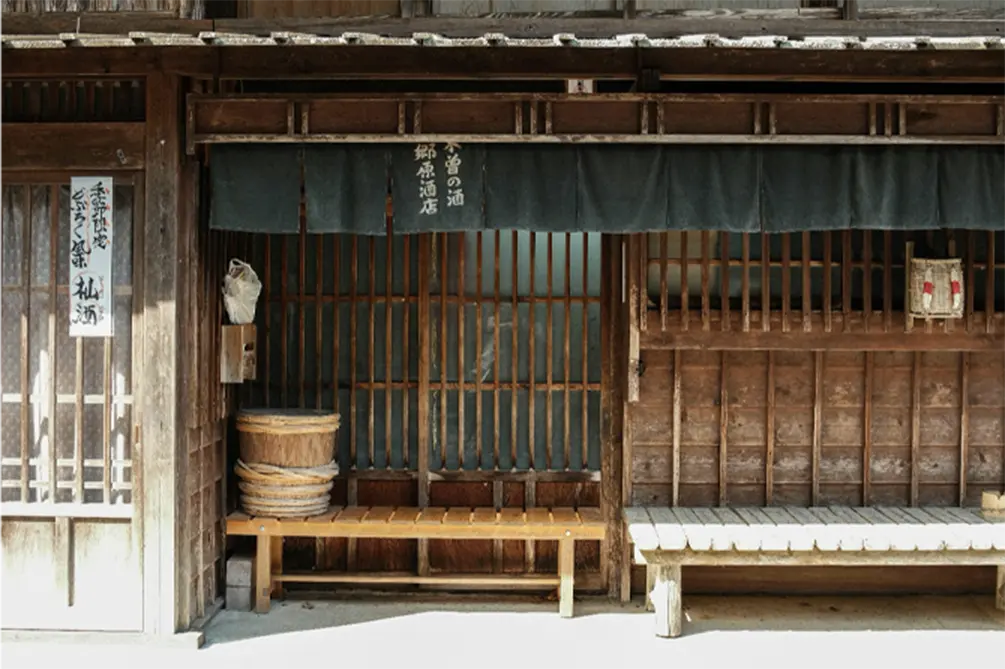
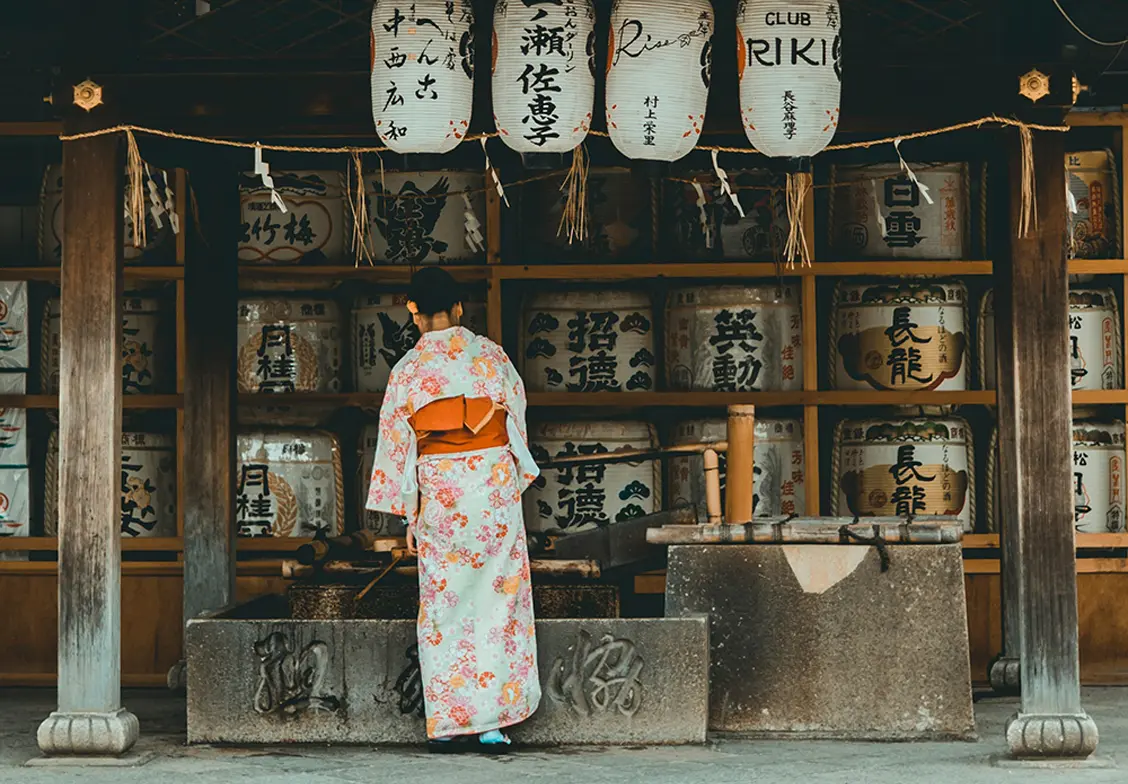
Both born from rice and koji, sake and amazake are fermented drinks with a long-standing place in Japanese life and at moments of celebration. Sake carries cultural weight as a drink whose character shifts with the seasons, and it has long served to bring people together. Abroad it is known simply as “SAKE,” and interest in it has grown alongside the broader popularity of Japanese food.
Amazake, meanwhile, is often called “a drink you could put on a drip” for how nutrient-dense it is, and it is credited with aiding recovery from fatigue and supporting skin health. Non-alcoholic versions exist and are enjoyed across ages, children included.
Fermentation as a Way of Life
In Japan, fermented foods are not simply food. They are a culture handed down through generations of household practice.
Japanese longevity is widely attributed in part to a diet built on seasonal ingredients and fermented foods, and the daily habit of miso soup, pickles, and natto is treated as one of the pillars of staying healthy.
At home, families pass down their own miso and 糠床 nukadoko — a bed of fermented rice bran used to make pickles, tended and replenished over years — treating fermentation as more than something merely good for the body: a form of household wisdom for living well. This author remembers helping make miso as a child, and recalls the smell drifting out of the kitchen as a distinctly Japanese experience.
Beyond the household, Japan’s regions have developed their own fermentation traditions — なれ鮨 narezushi, an older style of fermented fish and rice that predates modern sushi, among them — alongside distinctive local pickles. These traditions do more than preserve food. They carry regional identity forward and strengthen the ties between the people who keep them.
In Closing
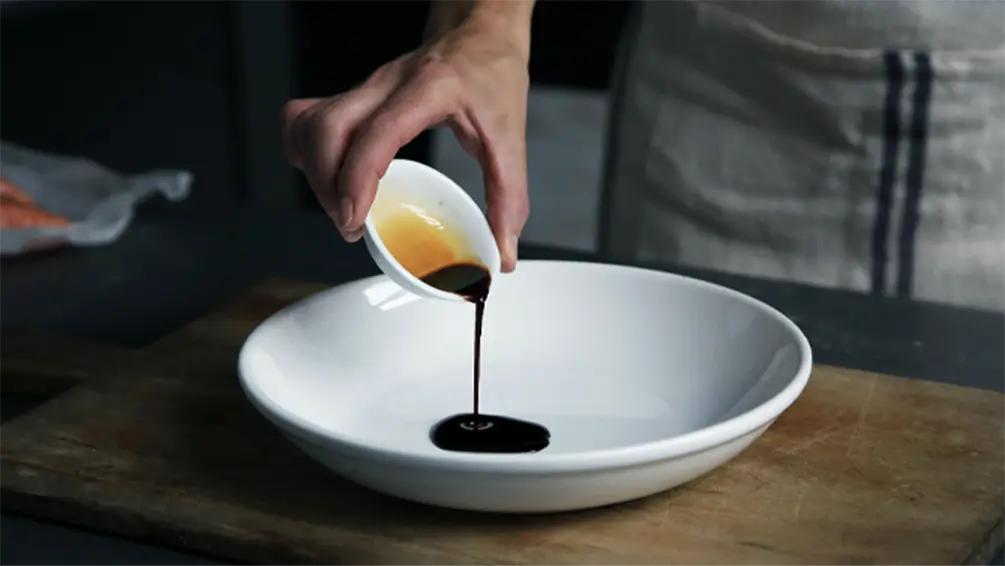
Fermented foods are a piece of Japanese wisdom built around health and long life, and staples like soy sauce, natto, and pickles give the Japanese table its character. Miso and nukadoko passed down within families, and the many regional dishes built on fermentation, stand for something beyond the ingredients themselves — a way of deepening daily life and the bonds between people.
The tradition is worth holding onto, and worth a second look, too, for what it may still offer toward health and toward beauty.
KOTO is a journal of Japanese craftsmanship, culture, and the aesthetic sense behind them.
- SHARE
-


( food )