







What Is Sake? The Sacred Role Japanese Rice Wine Plays in Shinto Ritual
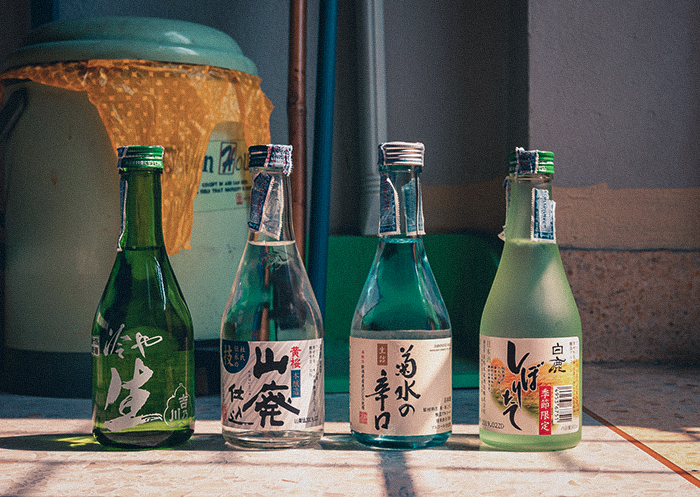
Sake — 日本酒 nihonshu, literally “the sake of Japan” — is brewed by a traditional method and has been loved across the country for centuries. But its place in Japanese life was never limited to the table. Long before it was a pairing for a meal, sake was an offering laid before the gods, and it remains woven into Shinto ritual and the ceremonies that mark a Japanese life: weddings, New Year, the ground-breaking of a new building.
This article sets out what sake actually is, and then traces the role it has played — and still plays — in Shinto ritual and traditional ceremony.
What Is Sake?
The Legal Definition
Sake is brewed from rice, rice malt (koji), and water. Under Japan’s geographical indication (GI) system, a product may only be labeled 日本酒 nihonshu if it meets two conditions: the rice used is grown in Japan, and the brewing itself takes place in Japan. Sake brewed in Japan from imported rice does not qualify for the name. Under Japanese tax law, sake is classified as 清酒 seishu, refined sake, a category further divided by production method and ingredients.
A Distinctive Brewing Method
Sake is produced by a technique called 並行複発酵 heikou fukuhakko, multiple parallel fermentation, inherited from long practice. Two processes — the conversion of rice starch into sugar, and the conversion of that sugar into alcohol — happen in the same vat at the same time, rather than in sequence. The method is said to suppress unwanted bacteria while drawing out a rounder, more complex sweetness than sequential fermentation would allow.
Sake Rice Is Not Table Rice
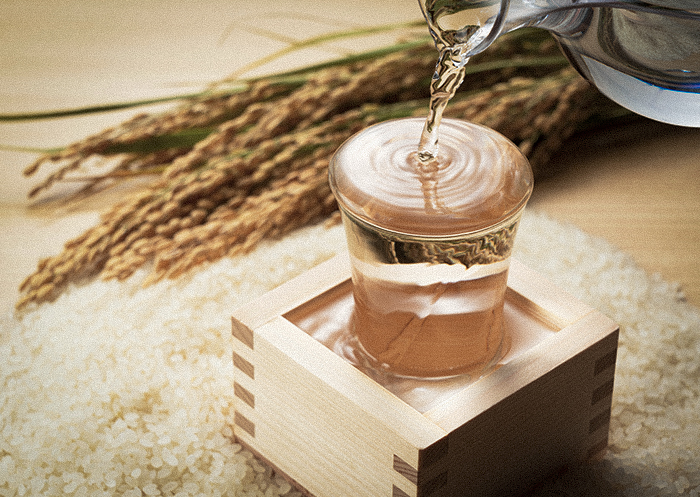
The rice used for brewing sake, known as 酒米 sakamai, sake rice, is a different variety from the rice eaten at the table. Its defining feature is 心白 shinpaku, a white, starch-dense core at the center of the grain. That core is what draws in the koji mold most effectively, and it is where much of sake’s flavor is made.
An Ingredient as Much as a Drink
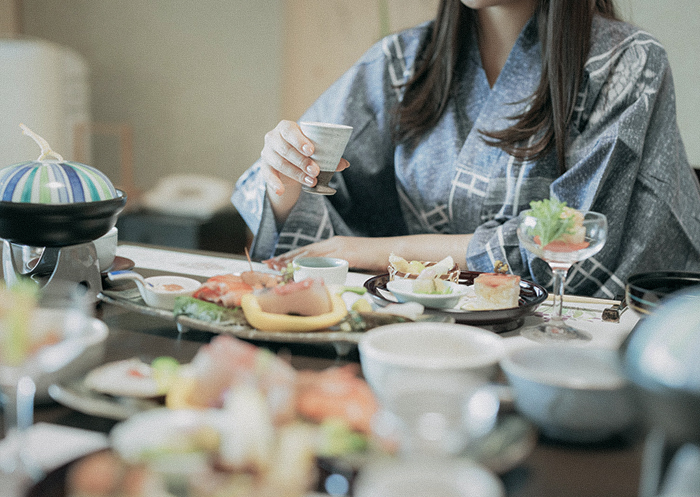
Sake is not only drunk; it is also a seasoning. The alcohol and amino acids it contains do three things in the kitchen: they mask the raw smell of meat and fish, draw out the natural savor of an ingredient, and tenderize it.
A related product, 料理酒 ryourishu, cooking sake, is often confused with the real thing. It is made from rice and rice malt as well, but with starch syrup and salt added — which is why, despite the name, it cannot legally be drunk. Cooking sake is sold cheaply in any Japanese supermarket and does the same job of cutting odor, but its salt content makes it easy to over-season a dish. For anything delicate, sake itself is the better choice.
Sake is also, of course, a companion to food rather than a substitute for it. Dishes traditionally paired with it include sashimi of white fish, tempura, boiled spinach dressed simply (ohitashi), pork shabu-shabu cooled and served with vegetables, and cucumber or octopus dressed in vinegar and a little sugar (sunomono). Their clean, light flavors sit well against sake’s own understated sweetness.
The Role Sake Has Played in Japan
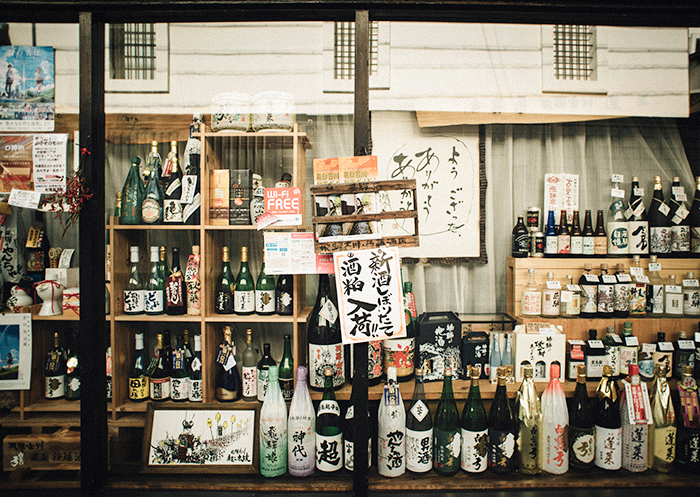
Sake’s importance in Japanese life runs in two directions: through 神事 shinji, Shinto ritual, and through 伝統行事 dento gyoji, traditional ceremonies tied to the calendar and to major life events. Both are treated below.
1. Shinto Ritual
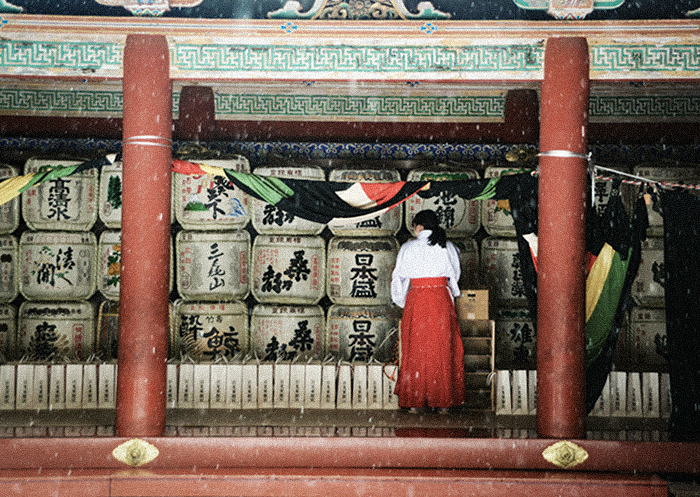
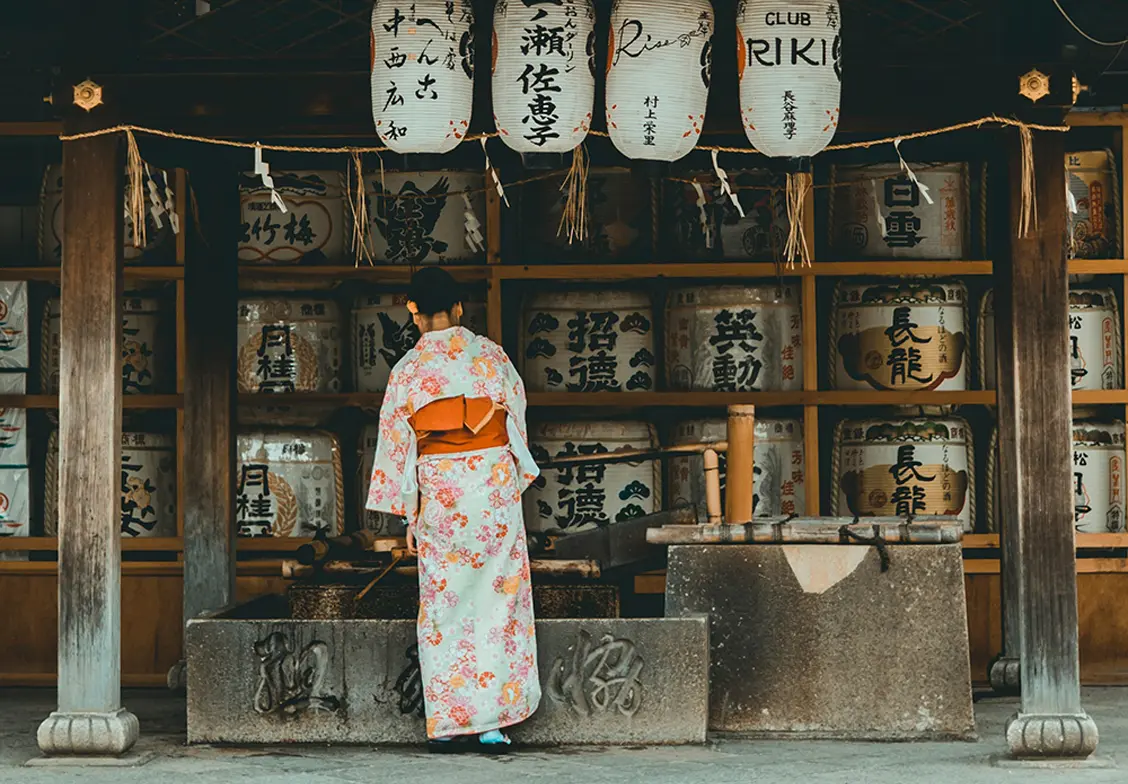
神道 Shinto, Japan’s indigenous religion, has been bound to sake since ancient times. Offered at shrines for centuries as お神酒 omiki, sacred sake, it occupies a place in Shinto practice that food alone never did.
Why Sake Became a Sacred Offering
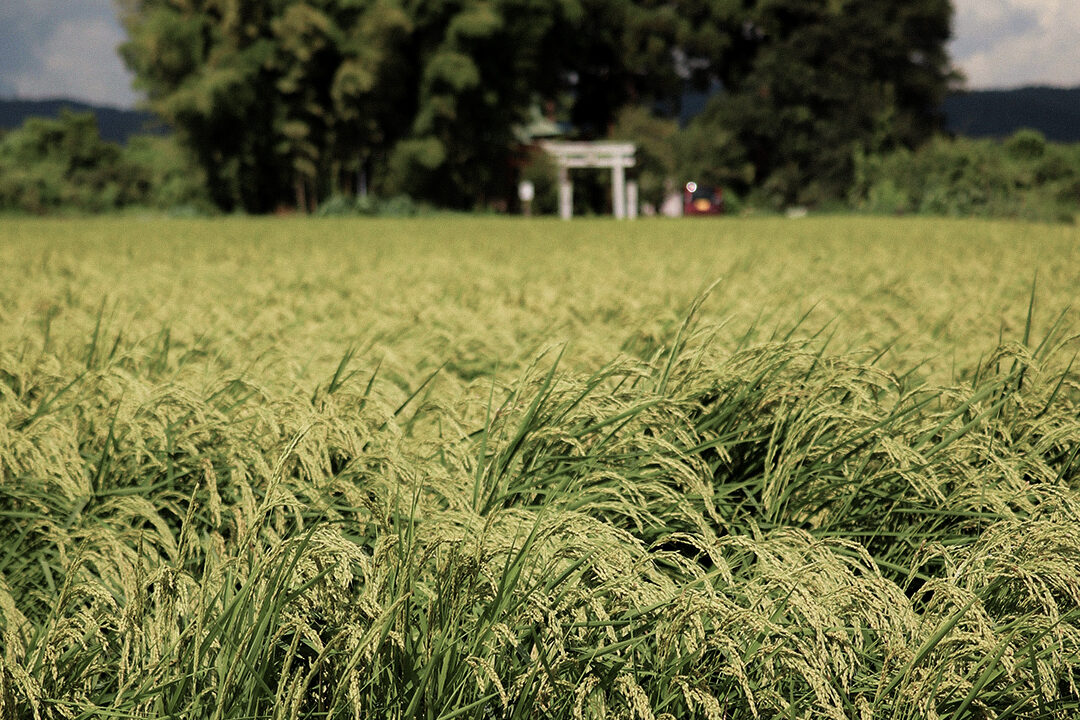
Rice was, for most of Japanese history, extraordinarily valuable. Without the forecasting and irrigation technology of the modern era, a stable harvest could never be taken for granted. Brewing sake, on top of that, demanded many additional steps of skilled labor. A drink made by applying still more effort to an already precious grain came to be regarded as the most extravagant offering a household could make to the gods.
Shinto and rice cultivation have stood together as the two foundations of Japanese life since antiquity, and prayers of gratitude for a good harvest — thanks for what nature has provided — remain, at root, the purpose behind many Shinto rites and traditional ceremonies to this day.
The Four Kinds of Sake Offered at a Shrine
Shrine tradition recognizes four types of sake as the correct offering:
– 白酒 shiroki, white sake — a cloudy white brew made from steamed rice and rice malt, also known as doburoku
– 黒酒 kuroki, black sake — white sake mixed with the ash of burned plant branches and leaves, giving it a grayish, blackish-brown color
– 醴酒 reishu — steamed rice combined with rice malt and left to rest overnight, low in alcohol and closer in taste to sweet amazake; also called 一夜酒 hitoyozake, “one-night sake”
– 清酒 seishu — the refined sake familiar today; in recent practice, many shrines offer seishu alone
Offering seishu by itself is now widely accepted, though customs differ from shrine to shrine, and it is worth checking the particular practice before visiting.
Naorai: Sake as a Bridge Between People
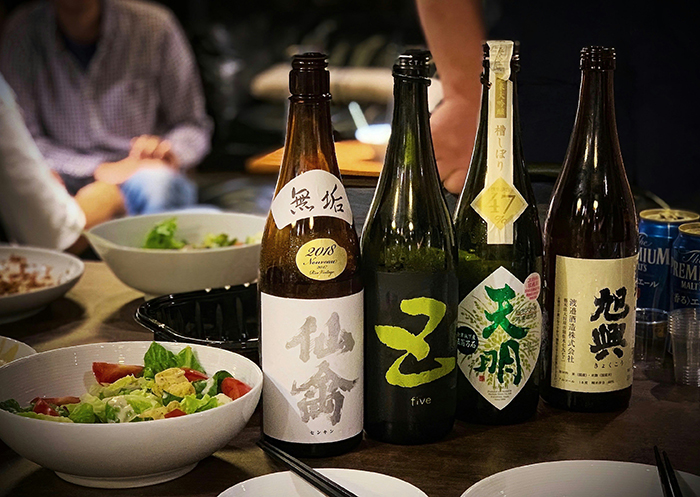
Sake offered to the gods is believed to carry a further role: sharing a drink with the divine is thought to deepen the bond between the human and the sacred. When participants in a ritual divide the offered sake among themselves afterward, they are understood to receive the gods’ protection in turn.
That same idea explains why sake remains indispensable at weddings, funerals, house-moving ceremonies, and even a first business greeting — the social lubricant that binds one person to another. Its origin is a rite called 直会 naorai.
What Is Naorai?
At the close of a Shinto ritual, the sake that had been offered to the gods is brought down, and participants share what is, in effect, a meal taken together with the gods. This is naorai, and it is considered the origin of the modern celebratory toast, kanpai.
A toast before a meal is common to cultures everywhere. What is distinct in Japan is how deeply the Shinto idea behind it has taken root: the notion that people share this particular meal together with the gods. That idea has a name of its own, 神人共食 shinjin kyoshoku, “gods and people eating together” — a small but telling example of how, in Japan, the world of the gods and the world of daily life are treated as continuous with one another rather than separate.
There is also a simpler explanation. The mild lift that alcohol brings is, in any culture, part of what makes a shared occasion enjoyable, and the ease it creates between people has long reinforced the value Japanese culture places on 調和 wa, harmony, within a group.
Sake as Purification
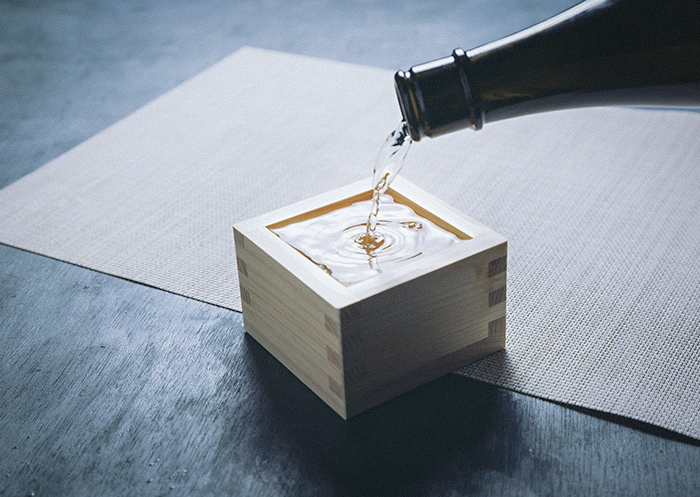
Because it was treated as sacred, sake also took on a role in 邪気払い jaki-barai, warding off misfortune. Bathing in hot water mixed with sake and salt, for instance, is believed to cleanse a person of ill fortune that has attached itself to them.
A friend of this author’s once had sake poured over the tires of a newly purchased car at the dealership — a blessing meant to ward off accidents and ensure safe driving. Some dealerships still offer this as a matter of course. It should go without saying that drinking the sake used in such a blessing, or any sake, before driving is never acceptable. It is also worth noting that sake stored somewhere hot — inside a car in summer, for instance — degrades quickly, so any bottle kept in a vehicle should be moved out of the heat.
Jichinsai: Calming the Land Before Construction
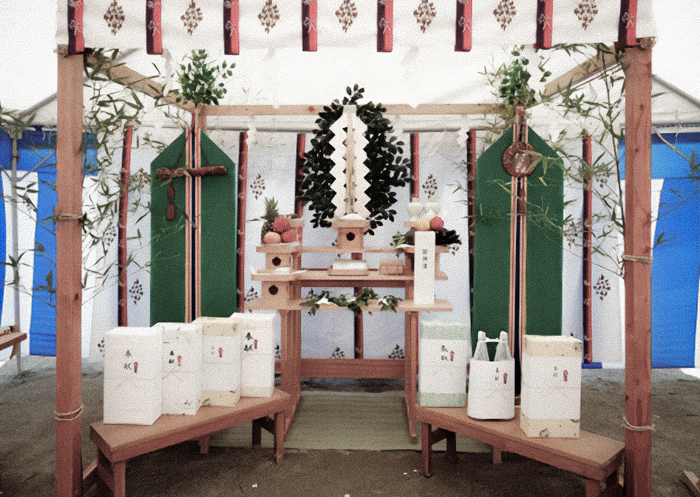
地鎮祭 jichinsai is the ritual performed before construction begins on a new building. Its purpose is to greet the local land deity and pray for the work to proceed safely.
Digging into the earth or felling trees has traditionally been regarded as an act that wounds the land itself, capable of disturbing or angering the deity who resides there. Construction carried out without that courtesy was, in old belief, liable to provoke misfortune or unexplained accidents on site — and Japanese tradition holds a number of stories in which reckless construction did exactly that. Jichinsai exists to ask the land deity’s forgiveness before the work begins.
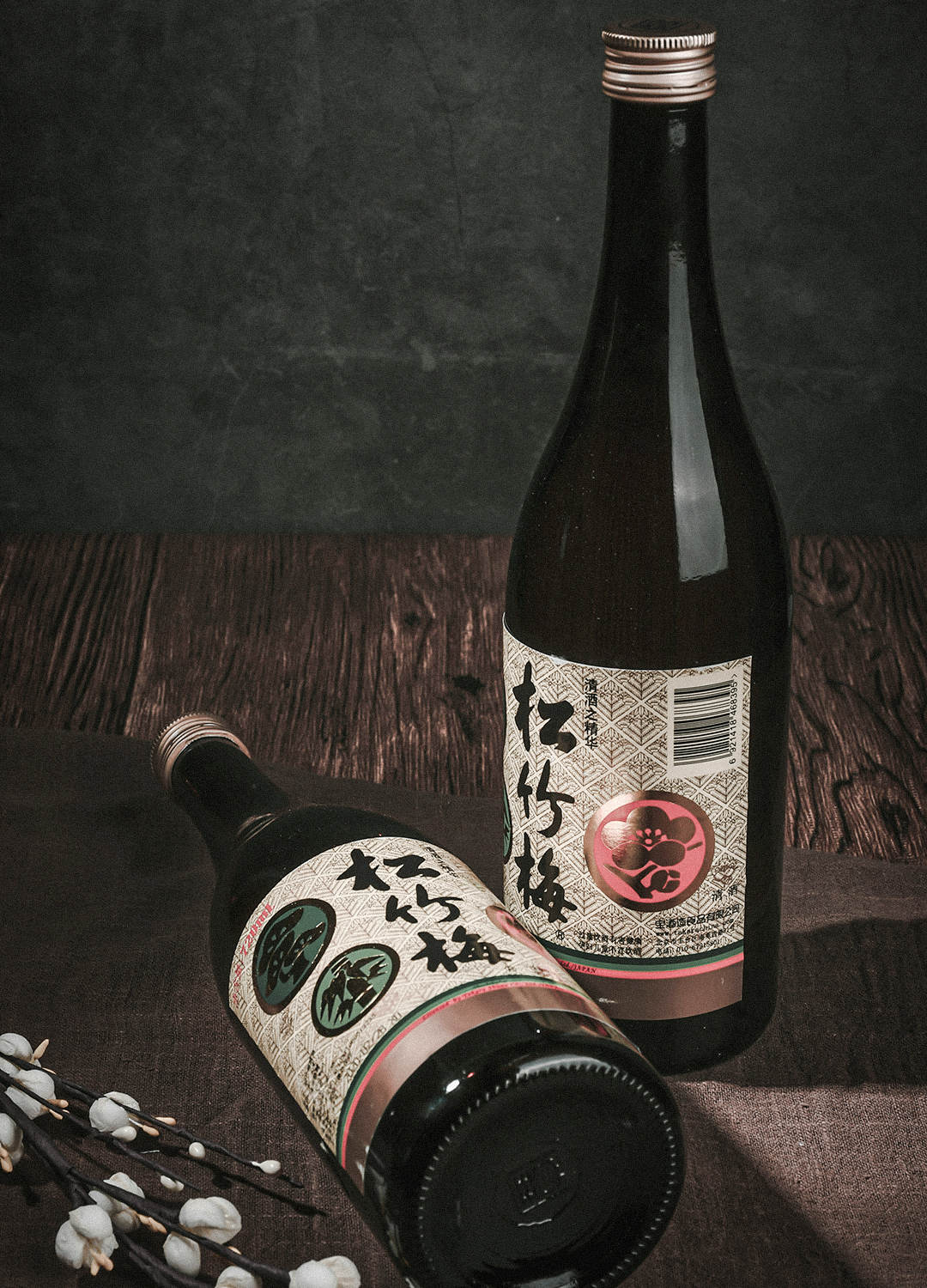
The ceremony includes an offering of two bottles of 奉納酒 honoshu, dedicatory sake, chosen for an auspicious brand name — 松竹梅 Shochikubai (“pine, bamboo, plum”) and 白鶴 Hakutsuru (“white crane”) are typical choices. During the ritual, the sake is poured to the four directions of the site, purifying the land and welcoming the deity.
Sake in Japanese Mythology
Sake also has a starring role in the 古事記 Kojiki, Japan’s oldest surviving chronicle, compiled in 712. Susanoo-no-Mikoto, brother of the sun goddess Amaterasu Omikami, is tasked with defeating the monstrous eight-headed serpent Yamata no Orochi. His weapon of choice is a sake called 八塩折之酒 yashiori no sake — the serpent is given the drink in quantity, and Susanoo strikes once it is thoroughly drunk. This yashiori no sake is considered the earliest sake recorded in Japanese literature.
2. Traditional Ceremonies
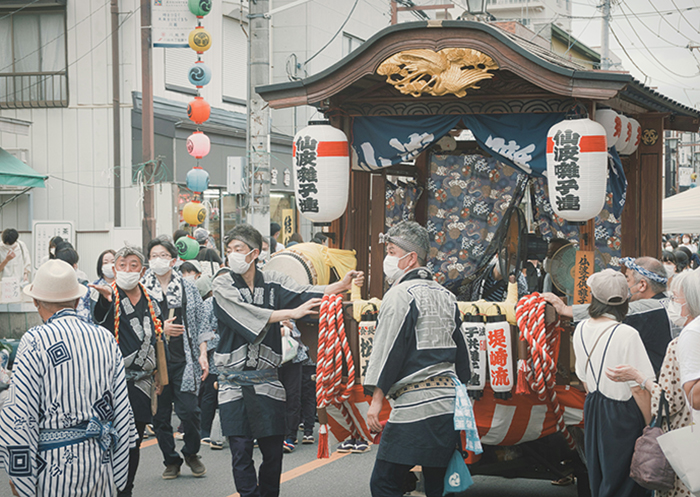
Sake is just as central to the traditional ceremonies handed down through everyday Japanese life. A few of the most enduring follow below.
Kagami Biraki
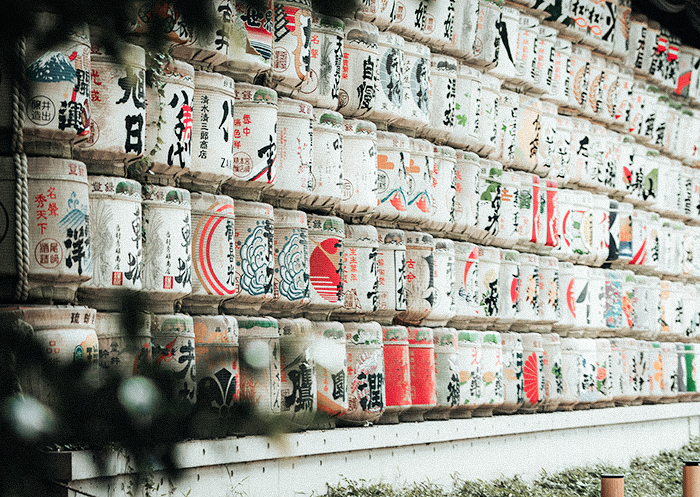
鏡開き kagami biraki, “opening the mirror,” is the ceremony of breaking open a barrel of sake with a wooden mallet (kine). Historically performed mainly at weddings, it now appears at the opening of a new business or the premiere of a film. Splitting the barrel open is considered to “open fortune” — an auspicious act. A distant cousin of the gesture appears in popular culture, too: in the manga One Piece, characters stave in a barrel with a kick as part of a launching ceremony before setting out for the Grand Line, a scene that echoes the spirit, if not the form, of a real kagami biraki.
San-san-kudo
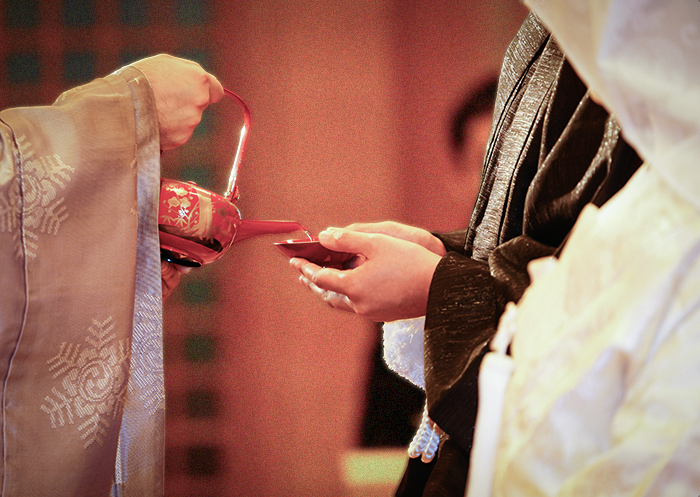
三々九度 san-san-kudo, “three-three-nine,” is performed at 神前式 shinzenshiki, the traditional Shinto wedding, to seal an eternal bond between husband and wife and a commitment to share life’s hardships and joys together.
The bride and groom exchange sake using three cups of graduated size, in this order:
– Small cup (shohai), “the first cup”: the groom drinks first, then the bride
– Medium cup (chuhai), “the second cup”: the bride drinks first, then the groom — the order reversed from the first cup
– Large cup (daihai), “the third cup”: the groom drinks first, then the bride, as with the first cup
The name san-san-kudo comes from the three cups and the nine sips involved. Each cup is raised to the lips three times — but on the first two of those three, the drinker only pretends to drink. Only the third sip is a real one, which is how one cup comes to count as three “drinks.” A participant who cannot drink alcohol at all may simply touch the cup to their lips on the third pass; nothing more is required.
Otoso
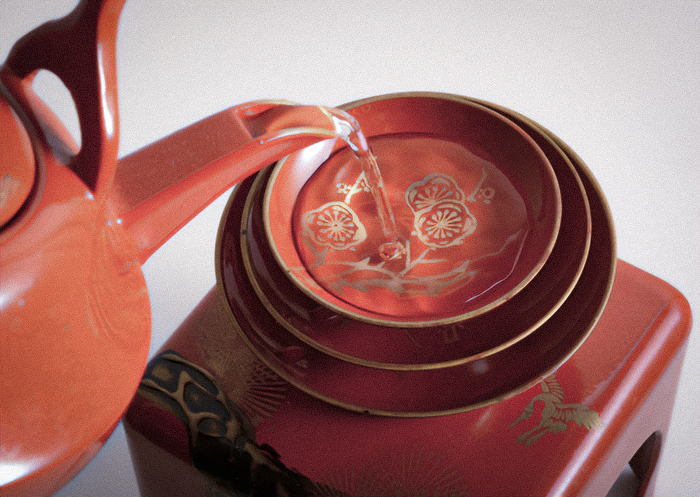
お屠蘇 otoso is the sake drunk on New Year’s Day (January 1) in a wish for freedom from illness and misfortune throughout the coming year.
Today, ordinary sake is generally used for otoso. Traditionally, however, it referred specifically to sake or mirin steeped with 屠蘇散 tososan, a blend of five to ten medicinal herbs. Tososan packets are still sold at drugstores and supermarkets around year’s end; steeped on New Year’s Eve, the mixture is ready to drink by the following morning.
Otoso is drunk according to a set form. On the morning of New Year’s Day, the family gathers, exchanges New Year’s greetings, and then faces east together to drink. Custom generally has the youngest member of the family drink first, though the order varies somewhat by region. Two explanations are commonly given for this:
– The “shared vitality” theory: drinking otoso first passes the young person’s vigor along, so that older members of the family carry that energy through the year as well
– The “food-taster” theory: a holdover from the practice of testing food for poison before the head of the household ate, so that if the drink had in fact been poisoned, the family’s elder would be spared
Those in a 厄年 yakudoshi, a traditionally unlucky age, drink last regardless of their actual age. Osechi, the New Year’s meal, is eaten only after otoso has been drunk.
Because otoso is an alcoholic drink, Japanese law bars anyone under 20 — the country’s legal drinking age — from consuming it, and children should be kept from drinking it accordingly. Even so, a symbolic sip is not required of everyone: the custom is considered fulfilled even if only one member of a household actually drinks, so those who abstain lose nothing of its blessing. And as with any alcohol, driving after drinking otoso is absolutely forbidden.
In Closing
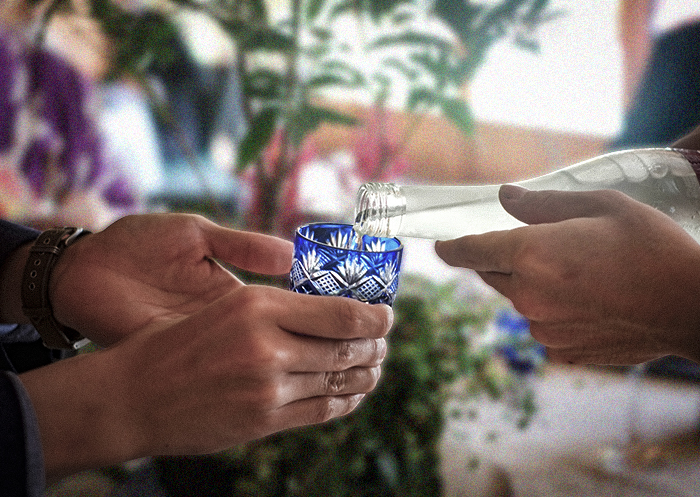
Sake is far more than something poured with a meal. Its history runs through Shinto ritual and through the traditional ceremonies that still shape a Japanese year — and beneath both lies the same debt of gratitude to the rice harvest and to nature’s provision that Shinto has always placed at its center, in the belief that a spirit resides in every natural thing.
A relative of this author once described how sake offered at a shrine is, more often than not, shared afterward in naorai with family and neighbors — a custom that continues in Japan today largely unchanged. Next time the occasion arises to drink sake, it is worth pausing, along with the taste, to consider the history and culture carried in the glass.
KOTO is a journal of Japanese craftsmanship, culture, and the aesthetic sense behind them.
- SHARE
-


( food )