











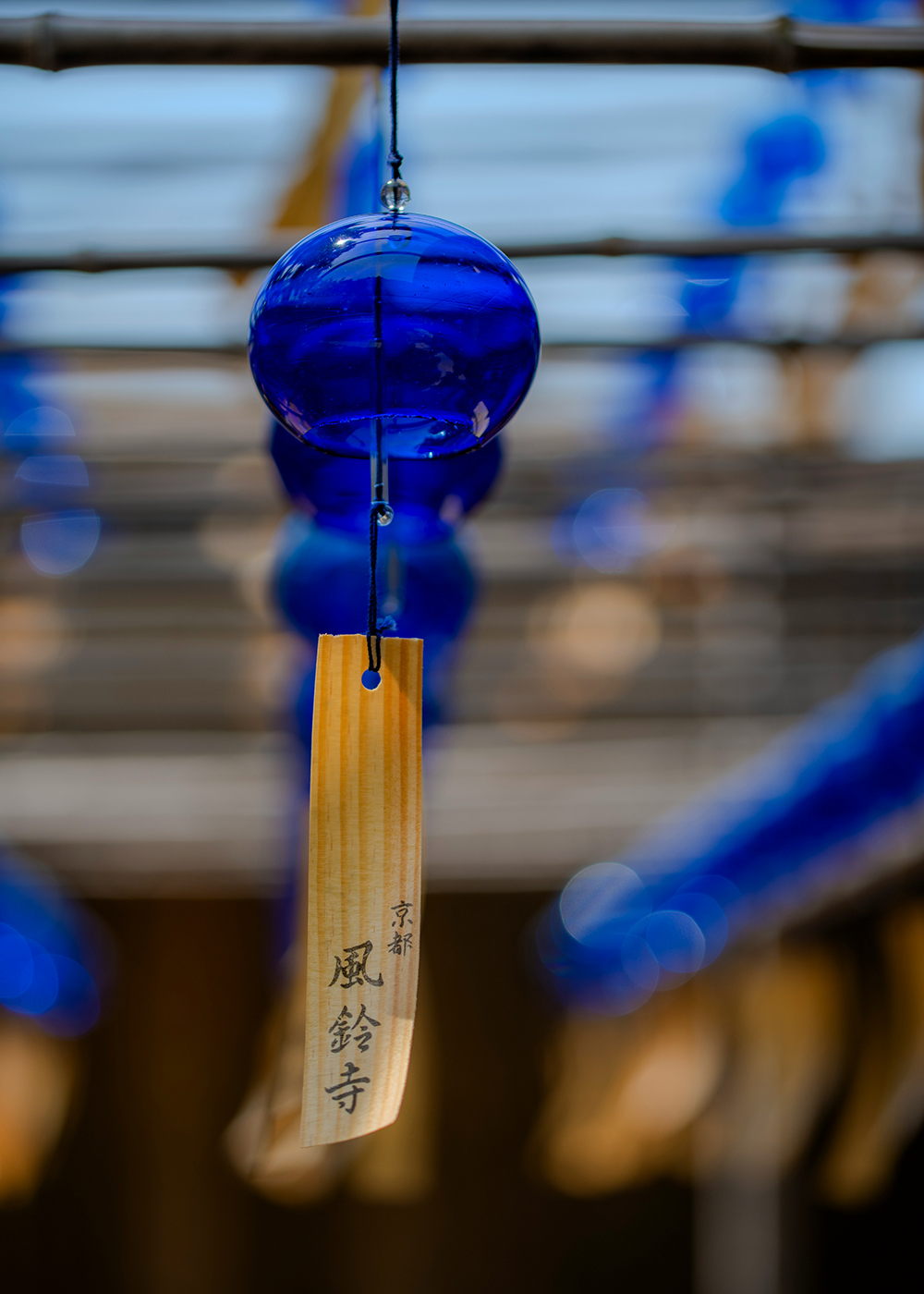
Furin: The Japanese Wind Chime That Might Actually Cool You Down
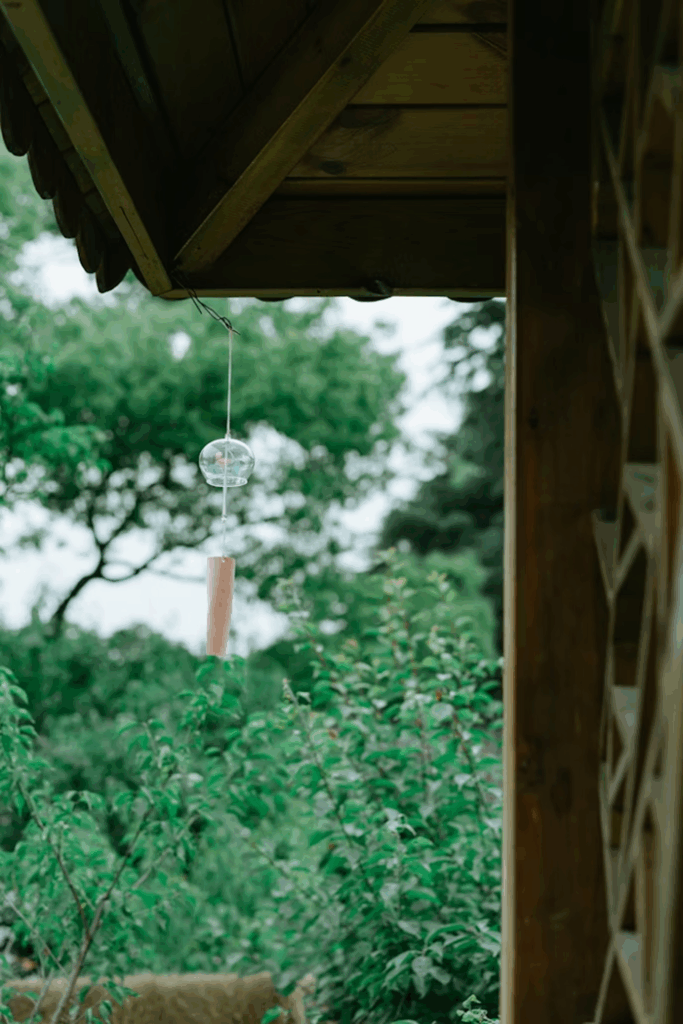
Every summer in Japan carries a particular sound: a thin, glassy chime drifting from an open window. In English there’s no exact equivalent — “wind chime” gets close, but it misses the specificity of 風鈴 furin, an object that is at once a craft piece, a seasonal marker, and, as it turns out, something close to a mild trick against the heat.
Furin used to hang from nearly every household eave in Japan. These days, fewer homes hang one than they used to. But in a country where summer temperatures climb a little higher each year, furin is worth a second look — not only as decoration, but as an actual heat countermeasure alongside the air conditioner.
The History of Furin
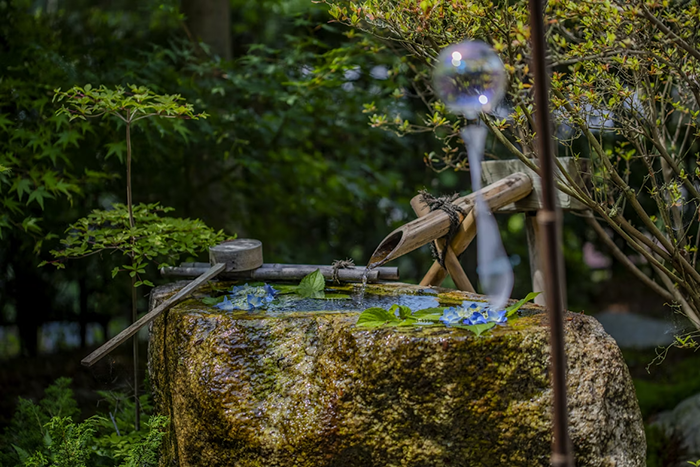
Because furin has been used in Japan since antiquity, it’s easy to assume the object is a Japanese invention. The stronger theory, however, traces it to India or China, arriving in Japan at the same time as Buddhism.
At first, furin were not something a household hung outside its own window. They were hung only from the roofs of Buddhist temples. Nor did they look like a furin today: rather than the glass or metal shapes familiar now, the earliest furin were 青銅 seido — bronze — cast in the shape of a small bell.
Exactly how the custom spread from temples to ordinary households isn’t documented in detail. One theory holds that it spread outward from soba noodle stalls, which took to hanging furin from their eaves.
Five Regional Types of Furin
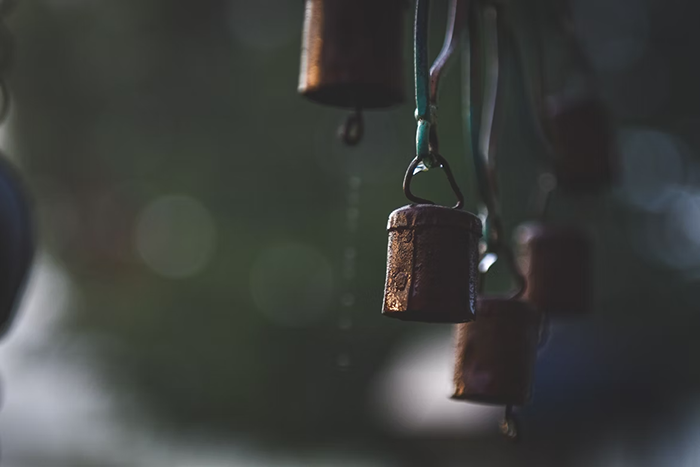
Ask someone in Japan to picture a furin and they’ll likely describe one shape. In practice the object varies considerably — by material (metal, glass, ceramic, bamboo) and by region, with different parts of the country still producing furin as a local craft today. Here are five of them.
Edo Furin
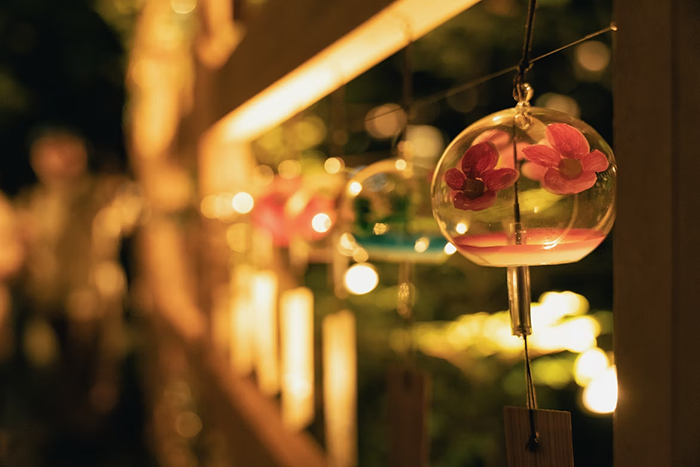
Among the furin still made today, 江戸風鈴 Edo furin dates back to the Edo period (1603–1868) and, being made of glass, is probably closest to how most people picture a furin. Its defining feature is the rim where the clapper strikes: rather than being smoothed, it’s left rough and jagged. That roughness is what gives Edo furin its sound — a tone closer to an insect’s chirp than a plain ring.
Odawara Furin
小田原風鈴 Odawara furin, centered on Odawara in Kanagawa Prefecture, is cast rather than blown — a piece of cast metalwork rather than glass. Its tone carries a long resonance, giving it a particularly strong sense of fuzei, the atmosphere of the season.
Nanbu Furin
南部風鈴 Nanbu furin, from Iwate Prefecture, is made from a dense cast metal, in the same tradition of regional ironwork known as Nanbu tekki. Its sound is a high, clear “chiin,” a tone that listeners from the Kanto region tend to find strikingly fresh next to the furin they grew up with.
Tsugaru Bidoro Furin
津軽びいどろ風鈴 Tsugaru bidoro furin, made on the Tsugaru Peninsula in Aomori Prefecture, is — like Edo furin — a glass piece. びいどろ bidoro, from the Portuguese vidro, is an older Japanese word for glass. Its sound is notably refined, and its coloring is vivid.
Imari-yaki Furin
伊万里焼風鈴 Imari-yaki furin is a ceramic furin from Saga Prefecture’s well-known Imari-yaki tradition, painted in a simple pattern of red, yellow, and green on a white ground. Its tone varies by piece — some ring high and sharp, a “chirin,” others soft, a “koron.”
The Charm of Furin
Two things make furin worth the trouble, even for someone who has never owned one.
A Kind of Mental Comfort
Anyone currently 35 or older probably heard a real furin in childhood, sometime in their teenage years. Anyone who hasn’t can search for the sound on YouTube. It isn’t grating. If anything, it produces a distinct sense of calm.
The reason is a property of the sound itself: furin tones carry what’s called 1/fゆらぎ 1/f yuragi — “1/f fluctuation” — a pattern of sound known to induce alpha waves and produce a relaxing effect. For anyone under work stress, worn down by fatigue, or dealing with mild insomnia, it may be one of the simplest things to try.
A Real Drop in Perceived Temperature

Most people who don’t hang a furin assume it’s a purely decorative gesture — that the sound itself does nothing for the heat. In fact, it’s been shown that listening to the sound of a furin lowers perceived temperature by roughly 2°C. Hearing it doesn’t change the thermometer reading, but it changes how hot the room feels, which means a furin, used deliberately, can take a real edge off summer heat.
That claim is worth testing rather than taking on faith. A furin is inexpensive, and hanging one costs nothing beyond a nail and a few minutes — there isn’t much to lose by trying it.
In Closing
Furin is a craft that has been part of Japanese summers for a very long time, even though most people today don’t own one. Between the calm its sound produces and its measurable effect on perceived temperature, it’s worth using deliberately rather than as decoration alone. Anyone with a veranda can simply hang one there; in an apartment, a quieter-toned furin hung near a window works just as well. The heat won’t disappear, but it should ease a little.
KOTO is a journal of Japanese craftsmanship, culture, and the aesthetic sense behind them.
- SHARE
-


( daily-life )