











Princess Kaguya’s Impossible Tasks: What the Moon Legend Reveals About Love and Marriage in Heian Japan
The 竹取物語 Taketori Monogatari, the Tale of the Bamboo Cutter, was composed in the Heian period (794–1185) by an author whose name was never recorded. What survives is prized less for its plot than for what the plot carries: the manners, the values, and the sense of nature held by the aristocratic society that produced it. Its heroine has traveled far beyond that Heian court. Most people in modern Japan know her as かぐや姫 Kaguya hime, Princess Kaguya. In 2013, Studio Ghibli made a movie inspired of 竹取物語 Taketori Monogatari. This movie brought to new audiences around the world. But we should know the story’s oldest topic is not fantasy but courtship.
Princess Kaguya turned down every nobleman who proposed marriage to her, and she did it by asking each one for something that may not have existed at all. That refusal, buried inside Japan’s oldest surviving work of prose fiction. This legend of the moon can interpret what love and marriage meant in the Heian court.
The Briefly of Taketori Monogatari
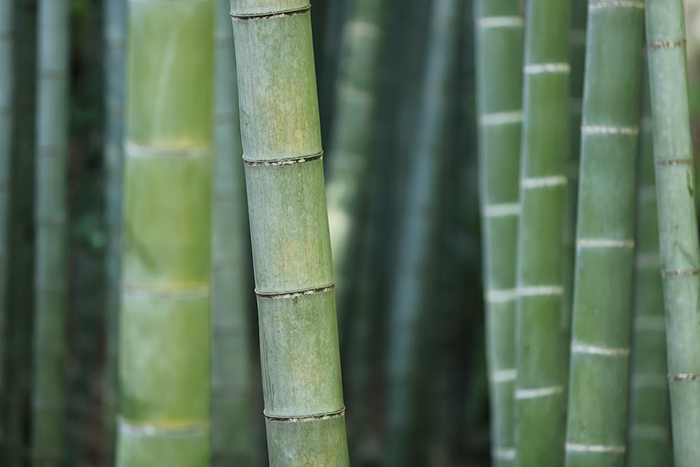
In older days 竹取の翁 Taketori no okina, An elderly man who harvests bamboo, working deep in a quiet grove, came upon a stalk of bamboo that glowed. Discovering a tiny girl within a glowing bamboo stalk, 竹取の翁 Taketori no okina and 嫗 ouna, his wife raised her with gentle care, later naming her かぐや姫 Kaguya hime, Princess Kaguya. She has matured into a lady of exceptional beauty and grace.As time quietly unfolded, her radiance only deepened, bound by an ethereal tie to the moon.
Word of Princess Kaguya reached the capital, and one high-ranking suitor after another proposed. She did not simply refuse them. To each she set a condition: bring her a treasure whose very existence was in doubt — 仏の御石の鉢 hotoke no mi-ishi no hachi, the stone begging bowl of the Buddha; 火鼠の皮衣 hinezumi no kawagoromo, a robe made from the pelt of the fire rat; 龍の首の珠 tatsu no kubi no tama, the jewel from a dragon’s neck; and others besides. Not one suitor succeeded. In time, an envoy came for her from the moon. かぐや姫 Kaguya hime, Princess Kaguya had grown attached to her life on Earth, but she could not defy what the tale calls her fate to return to the moon, and she left in tears.
Marriage and Courtship in the Heian Court

To read that refusal as simple pickiness is to miss what marriage actually was for a Heian noblewoman. Marriage in the period was arranged around family alliance and political advantage more than personal affection, and its standard form was 通い婚 kayoikon, “visiting marriage”: a husband called on his wife at her family’s residence rather than the couple setting up a household of their own. A woman rarely chose her own husband at all.
Set against that norm, かぐや姫 Kaguya hime, Princess Kaguya‘s refusal of one high-ranking suitor after another — the court officials and nobles whose proposals reached her from the capital — is not an incidental plot device. It is the exception the story exists to describe. The treasure hunts she assigns her suitors are, on one reading, simply impossible: no one could have produced any of them. On another, they function as a test of love and sincerity, a way of asking her suitors to prove themselves against a standard higher than rank. When one defeated suitor tries to pass off a forgery as the genuine article, the scene reads as satire aimed at a society that rewarded authority and appearance over substance. Kaguya-hime’s conduct, examined this way, is a challenge to the values of her own era — an early picture of a woman’s independence and her right to her own decisions, and one reason the story still lands with readers today.
Reading Kaguya-hime Beside Modern and Western Love Stories
Modern marriage, in Japan and in much of the world outside it, is built on a different premise: that love and shared values should align, and that social rank and wealth matter less than mutual respect and an emotional bond. Read against that premise, Kaguya-hime’s rejection of power and riches sounds like a distinctly modern sentiment arriving a thousand years early.
But the story parts from the modern romance formula at its ending. Where many Western love stories resolve with hardship overcome and the couple united, Kaguya-hime accepts her fate and chooses separation instead. Fate outranks love. That resolution carries a specifically Japanese sensibility — 無常観 mujokan, the sense of impermanence, the understanding that nothing, however loved, is built to last — and it is very likely part of why the story keeps finding new readers outside Japan. Its unresolved pull between love and parting, between freedom and obligation, travels across the centuries and across borders in a way a tidier ending might not have.
What the Moon Legend Still Means
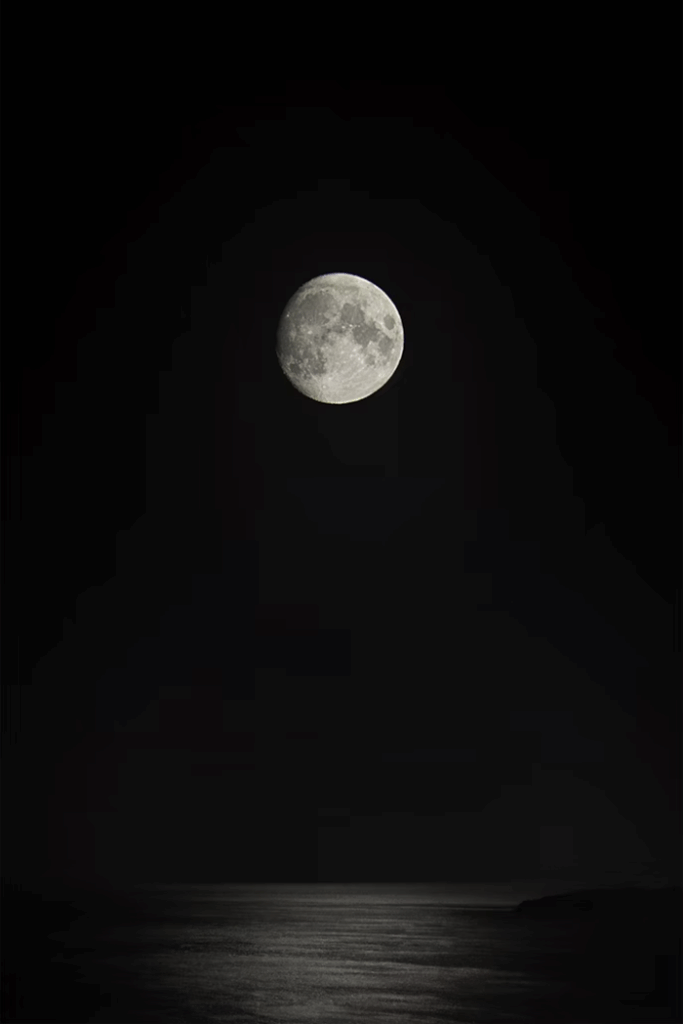
The tale sets its fantasy of the moon against the ordinary world of the bamboo grove, and in doing so it carries a distinctly Japanese sense of nature and of mystery. The moon stands for abundance and for purification, and the story asks it to speak for eternity and transience at once — a being who cannot stay, precisely because she does not belong to the world she has come to love.
It is, at heart, a love story. But it is also satire of a status-obsessed court and an early portrait of a woman’s self-determination, which makes it a useful point of entry for readers outside Japan who want to understand the culture that produced it. Its themes — love, freedom, fate — are common enough to make the story legible across cultures, which is a large part of why film, anime, and theater keep returning to reinterpret it. As a bridge between a specifically Japanese tradition and themes the rest of the world already recognizes, Kaguya-hime is likely to keep being told for a long time yet. She is a classic that keeps offering something new.
KOTO is a journal of Japanese craftsmanship, culture, and the aesthetic sense behind them.
- SHARE
-


( tales )