







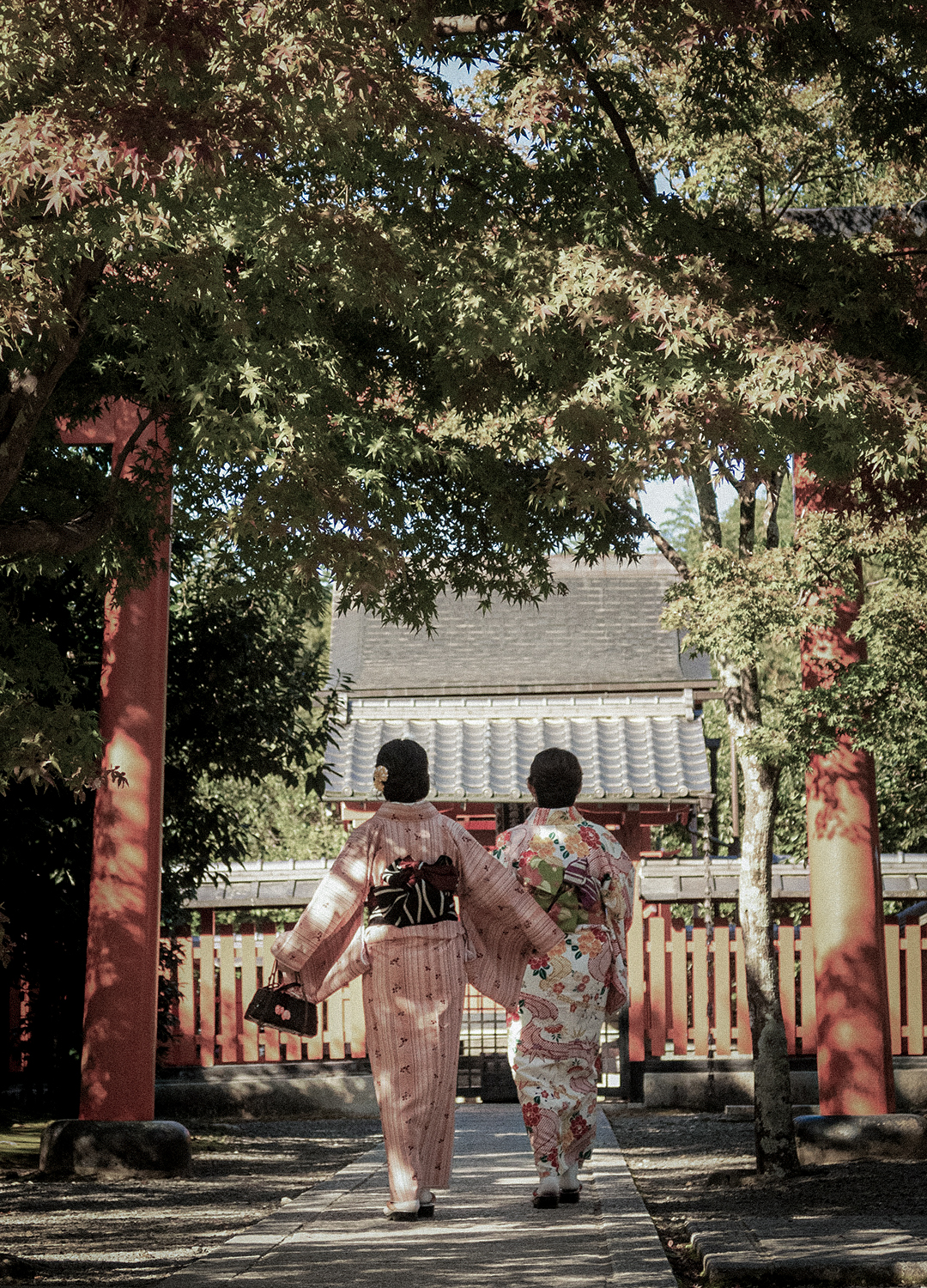
Kyo-kotoba: Honne, Tatemae, and the Hidden Meanings of Kyoto’s Dialect
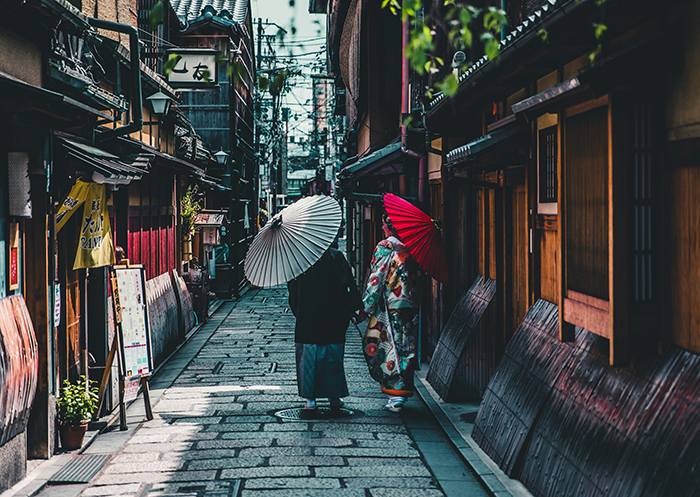
Ask a visitor what they remember of Kyoto and the answer often includes the way people there speak. 京言葉 Kyo-kotoba — the Kyoto dialect — is soft, unhurried, and carried on a tone the Japanese call はんなり hannari: a warmth without sharp edges. It has charmed a great many people, Japanese and foreign alike.
It has also confused them. Visitors from abroad who have spent time talking with people in Japan have described a particular kind of surprise: an answer sounded polite and open, and only later did it become clear that it had actually been a refusal. Some have gone further, saying that Kyo-kotoba in particular is difficult to read — that the real message and the spoken one are not always the same thing. Even Japanese people from other regions describe Kyo-kotoba this way: charming, and a little bit of a riddle.
To get past the riddle, we sat down with a member of our own team who lives in Kyoto and asked what is actually going on. What follows is what we learned — about Kyo-kotoba specifically, and about the wider Japanese habit of saying less than it means.
How Japanese Communication Works
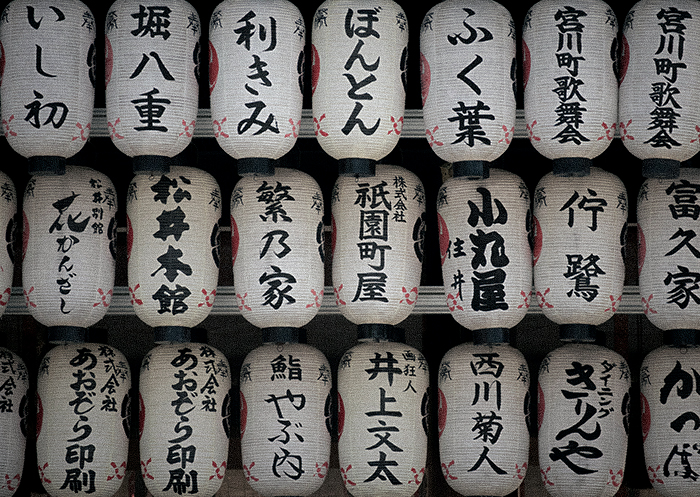
Japan has no language written into law as official. In practice, though, Japanese is used in nearly every setting of daily life, which makes it the de facto national language. It also happens to work in ways that are unusual by world standards, and three of those ways matter here.
One: Three Scripts at Once
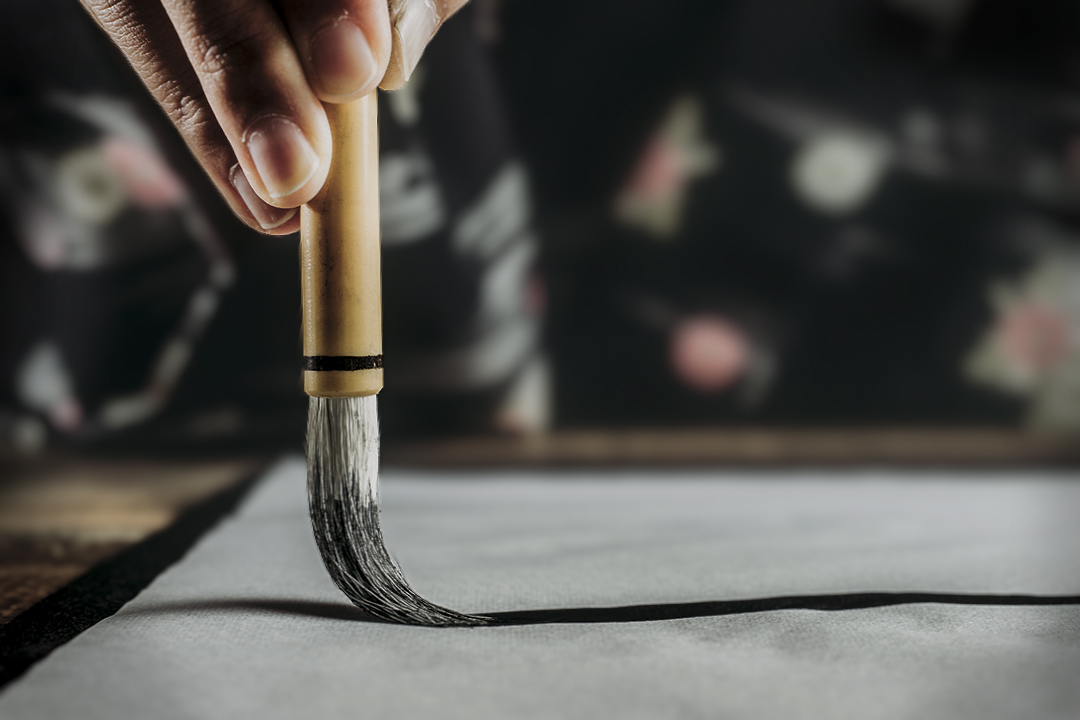
Written Japanese runs on three systems at the same time: ひらがな hiragana, カタカナ katakana, and 漢字 kanji. Kanji arrived from mainland China; hiragana and katakana were developed later, during the Heian period (794–1185), as phonetic scripts built to represent sound rather than meaning. A single sentence can move between all three without comment.
Two: The Verb Comes Last
In most languages, the verb follows close behind the subject. Japanese does not work this way. In a Japanese sentence, the verb — the word carrying the action or the intent — comes at the very end, after everything else. The practical effect is that a listener often cannot be certain what is actually being said, or proposed, or refused, until the sentence is nearly over. Japanese speakers themselves sometimes joke that Japanese takes a long time to get to the point.
Three: A Preference for Not Quite Saying It
Visitors from other countries frequently describe Japanese communication as ambiguous — intentions stated in a roundabout way rather than plainly. Some have said, more pointedly, that what is actually spoken (建前 tatemae, the public face) and what is actually meant (本音 honne, the private truth) can be two different things, and that discovering the gap came as a real surprise.
Why the Indirectness Happens
A few habits of communication seem to explain it.
The first is a habit of reading rather than asking: intent is often left to be sensed from expression and atmosphere rather than spoken outright, a mode of understanding close to what is called 察する sassuru — to intuit what has been deliberately left unsaid.
The second is restraint in self-assertion. Stating one’s own wishes directly is often avoided by choice, a habit rooted in a culture that places the harmony of the group ahead of the preferences of the individual.
The third is a preference for wording that will not cause friction. In public and official settings, a flat “Do not ~” is used less often than a softer construction: 〜はご遠慮ください or 〜はお控えください, which translates roughly as “Please refrain from ~ing.” It is worth being precise about what that phrase actually means: despite a recent drift in casual understanding that treats it as a mild suggestion rather than a rule, “please refrain from” is, correctly, a request to stop — the same instruction as “do not,” delivered more gently. It should be followed as such. That said, since the rise in foreign visitors to Japan through the 2010s, the more direct “Do not ~” phrasing has increasingly been adopted alongside it, particularly in signage aimed at travelers.
Why Japanese Leans Toward the Indirect
The underlying reason, as best it can be traced, is a cultural priority placed on harmony among the people present — 調和 wa.
Consider the alternative. Telling someone directly, “Don’t do that,” gets the message across cleanly: the speaker’s wish is stated and understood. But the person on the receiving end may feel embarrassed, hurt, or resentful, and in the worst case the relationship between the two people suffers for it.
Softening the delivery — trading precision for the preservation of the relationship — appears to be the trade Japanese speakers have chosen to make, again and again, until it became a default setting of the language itself.
Where the Real Meaning of Kyo-kotoba Lives
Even within Japan, communication style shifts somewhat between the east of the country and the west. Kyoto’s version of it, Kyo-kotoba, has a particular reputation: the true meaning hidden underneath the words is said to be unusually sharp. What does that look like in practice?
“Ee Tokei Shite Harimasu Naa” — That Is a Fine Watch You Have
Picture a trip to Kyoto. Conversation with a local is going well, and partway through, they glance at the watch on your wrist and say:
“Ee tokei shite harimasu naa.”
In standard Japanese, that is “Ii tokei wo shite imasu ne” — “You’re wearing a nice watch.” Taken at face value, it sounds like exactly what it says: a compliment.
The real meaning, in Kyo-kotoba, is something closer to: “Shall we bring this conversation to a close?” It is a cue to wrap things up.
The logic runs in a short chain: first, the compliment on the watch is spoken; the watch draws your eye; you notice, once you look, how much time has actually passed; and the realization that follows is the true message — perhaps it is time to end the conversation.
Other Phrases, Other Meanings
A few more examples of Kyo-kotoba, each given with its standard-Japanese equivalent and what it is actually communicating:
– よう知ってはるな — “You certainly know a lot” — really means: you are talking rather too much; please quiet down.
– 後から誰か来はりますの? — “Is someone else coming later?” — really means: the door has been left open; please close it.
– 綺麗な柄やねえ, said of an outfit — “What a beautiful pattern” — really means: isn’t that pattern a little loud?
– ピアノ上手になりましたなあ — “You’ve gotten better at the piano” — really means: please play more quietly.
– こんなお上品なものを, said on receiving a gift — “What a refined thing to bring” — really means: I have no use for this.
When Kyo-kotoba Reads as Sharp, Even Frightening
Examples like these have circulated on social media as evidence that Kyo-kotoba’s hidden meaning can be startlingly severe. Japanese communication in general leans toward the ambiguous and the tactful, in service of harmony — but the Kyo-kotoba examples that spread online were framed, more than once, as genuinely unsettling once decoded.
The reputation has found its way into fiction. A recurring character type in contemporary anime and manga is the Kyoto-born character — male or female — who delivers a cutting remark with a smile still on their face. The dialect becomes a tool for provoking a rival or voicing contempt while appearing entirely composed, and the gap between the pleasant surface and the sharp intent underneath is played for effect. In at least one battle manga, a character says, smiling, “Bubuzuke demo dou desu?” — while pointing a weapon at the person across from them.
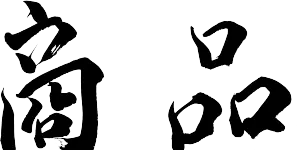
ぶぶ漬け bubuzuke is a simple dish of rice steeped in tea. “Bubuzuke demo dou desu?” — “How about some bubuzuke?” — is, on paper, an offer of a light meal. Its real function in older Kyoto etiquette was to signal, indirectly, that a guest who had stayed too long should think about heading home. By the 2020s, it is no longer an expression actually used in Kyoto; it survives mainly as a piece of cultural shorthand — the popular idea of Kyoto’s edge, more than a description of how people there actually speak. Still, the image of a knife-edged true meaning tucked beneath an elegant, gentle surface is enough to unsettle even Japanese speakers from other parts of the country.
Kyoto Speaks for Itself
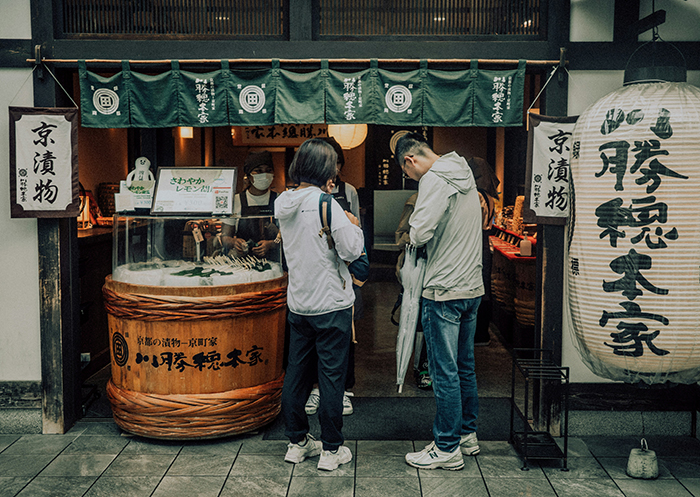
To hear how the dialect is actually understood by the people who use it, we spoke with a member of our team who lives in Kyoto.
Is Kyo-kotoba actually spoken day to day?
Yes — many people in Kyoto use it as a matter of course, not as a performance.
Is it true that Kyo-kotoba is mostly a vehicle for sarcasm or veiled criticism?
Not as a rule. What looks like irony is, more often, consideration: a way of pointing something out without making the other person feel bad about it directly. If anything, the indirectness can go too far — sometimes the message is softened to the point that it does not land at all.
What is it like, living somewhere that speaks this way?
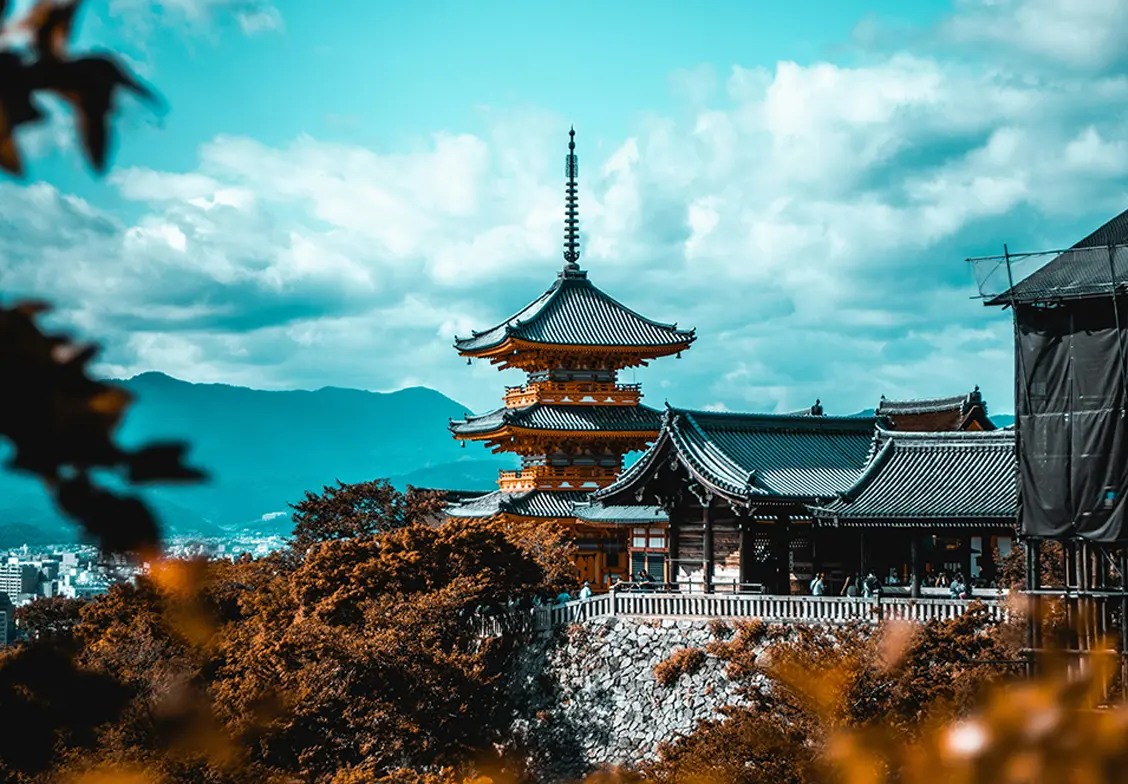
Kyoto holds on to its traditions and its sense of refinement — 趣 omomuki — carefully, and Kyo-kotoba’s gentle, hannari tone is part of that. Visitors on school trips to Kyoto often come away with the same impression: graceful manners, and a warmth in how people look after each other, expressed quietly rather than announced.
In Closing: A Dialect Built on Consideration
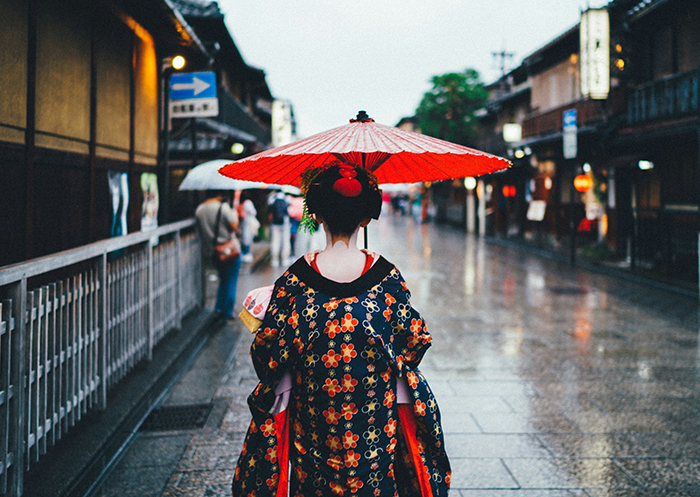
Hearing this from someone who actually lives with the dialect changes how it reads. The gracefulness that visitors notice in Kyoto — in the pace of people’s movements as much as in their speech — is not performance; it is a way of paying attention to the people around you without making a show of it.
Japanese communication generally favors the harmony of the room over the assertion of the individual, and Kyoto, a place that has drawn visitors from across Japan and abroad for a very long time, has had unusual reason to refine that habit into an art. What looks, from outside, like ambiguity for its own sake turns out, on closer reading, to be care — expressed in a form that has to be learned rather than assumed.
The lesson worth taking from Kyo-kotoba extends past Kyoto itself: it is worth asking rather than assuming you already know what was meant. What a phrase actually says and what it is meant to convey are not always the same sentence, and the space between the two is often where the real conversation is happening.
KOTO is a journal of Japanese craftsmanship, culture, and the aesthetic sense behind them.
- SHARE
-


( language )