








Why Japanese Green Tea Tastes Different: Sencha, Matcha, Gyokuro, and the Water Behind Them
In the morning, before anything else stirs, the sound of water coming to a boil in a quiet kitchen is enough to make the back straighten without quite meaning to. The day is beginning.
Along with the gentle rise of steam comes the scent of tea leaves. Attention narrows to a small cup, and the mind settles into something calmer.
What makes Japanese tea taste good is not a thing that fits into one word. Flavor, aroma, but what makes the time spent drinking it feel particular, this author suspects, is that it is woven into the texture of daily life rather than standing apart from it.
Where the Flavor Begins
Ask someone directly, “why is Japanese tea so good?”, and the answer tends to come out a little sideways. It usually starts with a memory rather than an explanation.
As a child, visiting relatives always meant that tea and sweets were the first things to appear. At a small tea shop by the station, the owner once brewed a pot in a hurry and set down a cup with a simple “here you go.” That small gesture is still remembered.
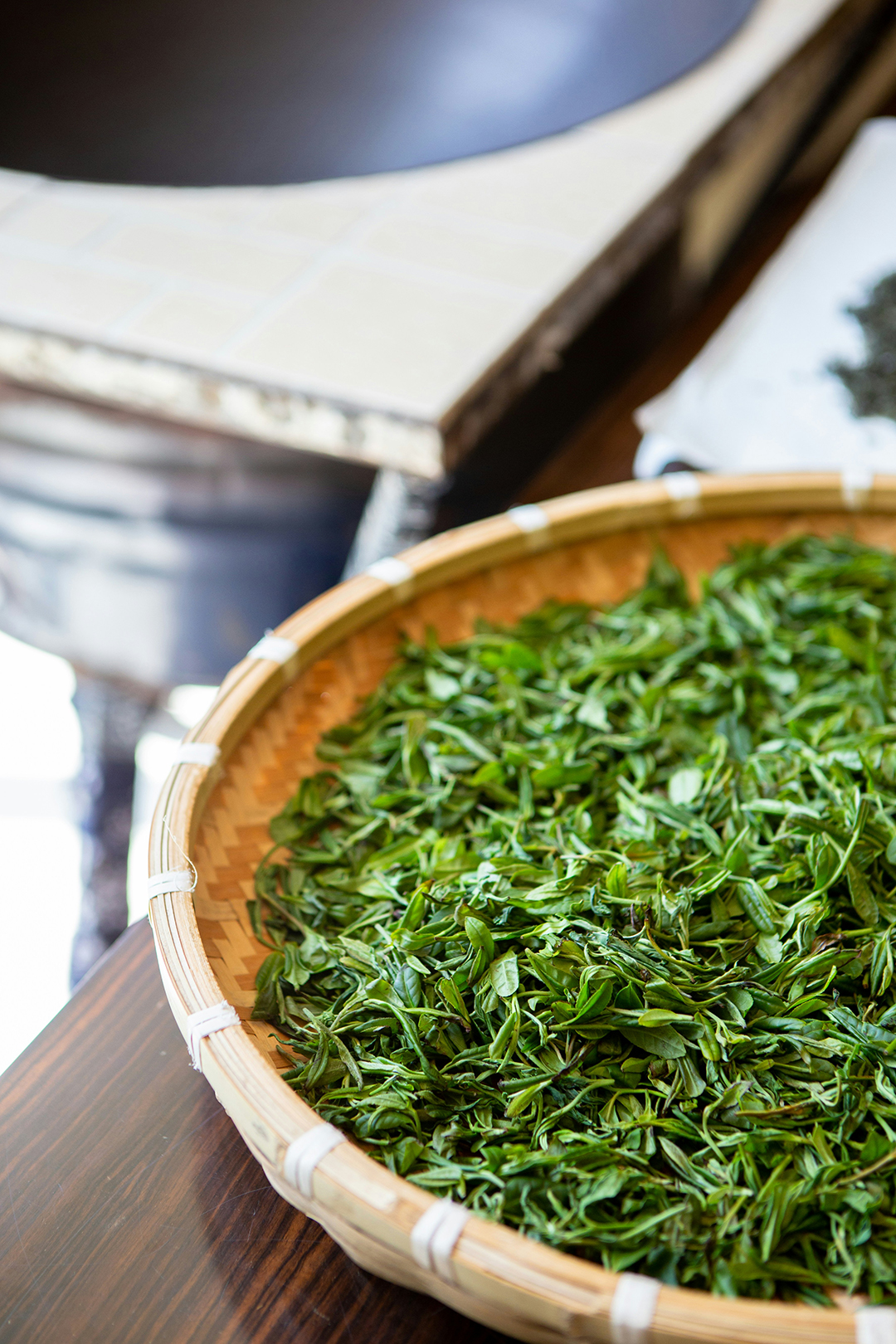
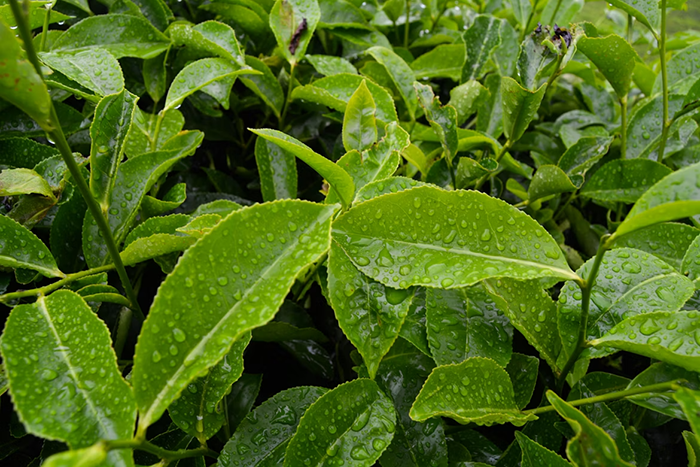
Behind those moments sits the plainer fact of how the tea itself is grown. Tea fields exist in region after region across Japan, and farmers pick the leaves one by one, by hand. The season and the character of the land pass directly into the taste and the fragrance.
Uji 宇治 in Kyoto, Shizuoka 静岡, and Kagoshima 鹿児島 are the country’s best-known tea-producing regions, but in every smaller growing area, the people who live there almost certainly believe their own local tea holds its own against them. Wind coming down off the mountains, morning mist, water standing in the rice paddies: tea grown amid that kind of ordinary nature comes out plain, but plain in a way that carries no excess.
The Varieties Woven Into Daily Life
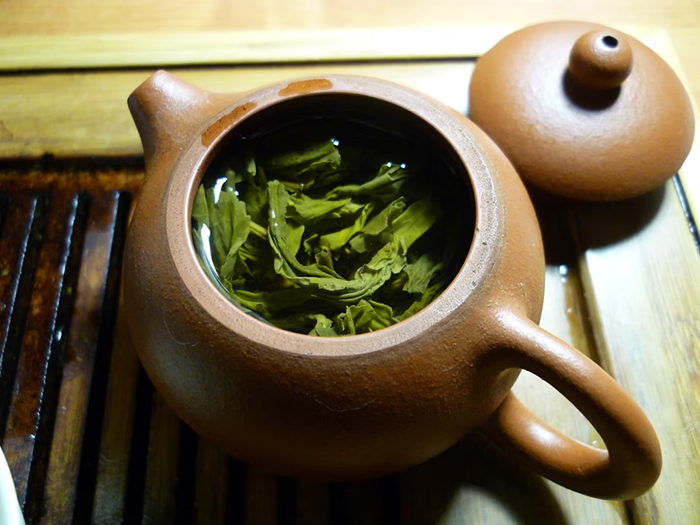
Tea has a way of turning up everywhere: at the everyday table, when guests arrive, at an inn on a trip away from home. The hurried rise of steam, someone’s voice asking “shall we have tea,” carries its own particular warmth. In Japanese life, tea is rarely far off.
Ask “which tea do you like best” and the answer is not an easy one, simply because so many kinds sit within reach. Supermarkets and specialty shops carry the everyday standards 煎茶 sencha — ordinary Japanese green tea, 玉露 gyokuro — a shade-grown green tea prized for its sweetness, ほうじ茶 hojicha — roasted green tea, 玄米茶 genmaicha — green tea blended with roasted brown rice, and 抹茶 matcha — powdered green tea, alongside regional blends with a strong local character of their own. The range is genuinely wide.
Choosing which tea to have today, an unremarkable decision made inside an unremarkable morning, is a small pleasure that colors the rest of the day.
Different Teas for Different Moments
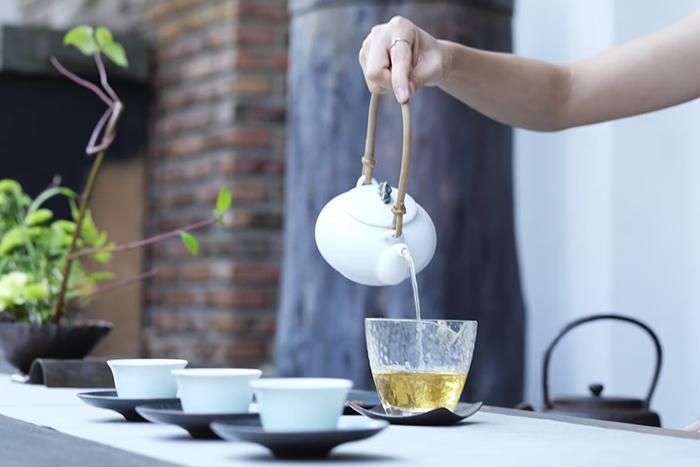
Breakfast calls for sencha. Its crisp fragrance sharpens the eyes at the start of the day. A slower afternoon suits hojicha or genmaicha, whose toasted warmth settles the mind rather than waking it. On a special occasion, or when guests are present, gyokuro or matcha comes out, along with a little more care given to the choice of cup.
Each kind of tea carries its own attached memories and habits, and that pairing of drink and occasion feels distinctly Japanese. Tea brewed quickly from a bottle or a bag has become far more common, but tea properly brewed, leaf by leaf, hurried or not, still belongs, in this author’s view, to a category of its own.
Kyoto’s Smoky Hojicha, Good Even Cold
Among the many kinds of Japanese tea, Kyoto-style hojicha leaves a particularly strong impression, built on a fragrance that is roasted hard. Its character is a deep, smoky aroma that reaches straight through the nose.
It is good hot, naturally, but even after time has passed and the cup has gone cold, a mellow sweetness remains, so that it stays enjoyable down to the last hurried sip. It works equally well as a palate cleanser after a meal or poured over rice for お茶漬け ochazuke, a dish of rice in hot tea or broth, and that fragrance carrying through in either case makes it a fixture of the Kyoto table.
Japan’s Water and Its Tea
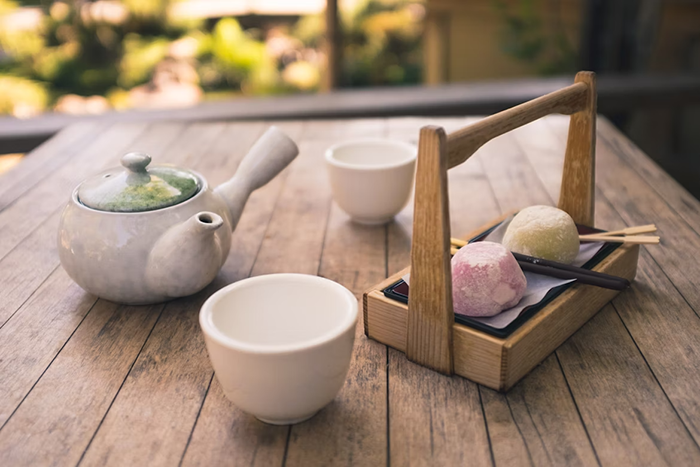
Tea and water cannot really be separated from each other. Even in Kyoto, brewing tea with local well water, or with clear water drawn from the surrounding mountains, produces a moment of recognition: this, unmistakably, is the taste.
Japan’s water is predominantly soft — 軟水 nansui, low in dissolved minerals — and that gentleness draws the tea leaf’s own sweetness and fragrance out directly, without getting in its way. Spring water off the mountains, river water, the old-fashioned taste of 井戸水 idomizu, well water: the way flavor shifts from place to place may be where the real depth of Japanese tea lies.
The season changes the taste as well, which is its own kind of interesting. Winter brings a taste with a crisp, cold-tightened edge; summer brings the plain refreshment of drinking it chilled, in long swallows. Both the leaf and the water carry the turn of the four seasons through into the cup.
In Closing
Japanese tea is a drink that exists alongside nature and alongside the rhythm of ordinary life. No elaborate equipment is required. Given rising steam, a moment taken in the middle of a hurried day, and a small amount of room left over in the mind, it can be enjoyed anywhere, at any time.
That a single cup of tea can gently smooth over the mood of a given day, and even the feel of the air around it, may be a habit of mind particular to Japan.
Anyone passing through a small tea shop in Kyoto, or anywhere else in the country, would do well to taste the local water and the local air along with the tea itself. The reason it tastes good will very likely come through the moment it touches the mouth.
KOTO is a journal of Japanese craftsmanship, culture, and the aesthetic sense behind them.
- SHARE
-


( food )