





Warousoku: The Japanese Candle That Flickers Without Any Wind
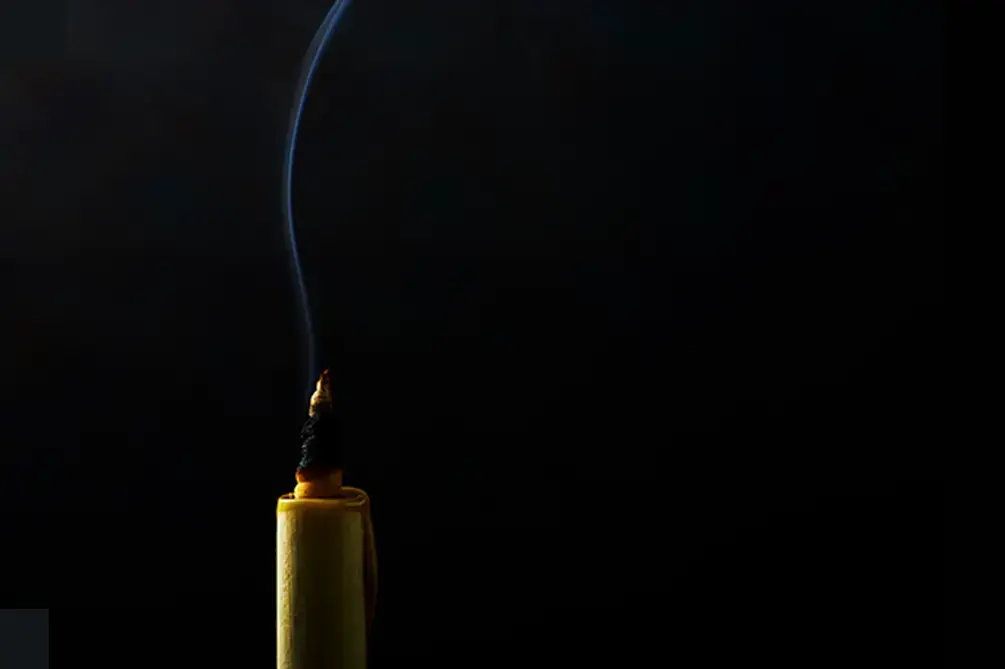
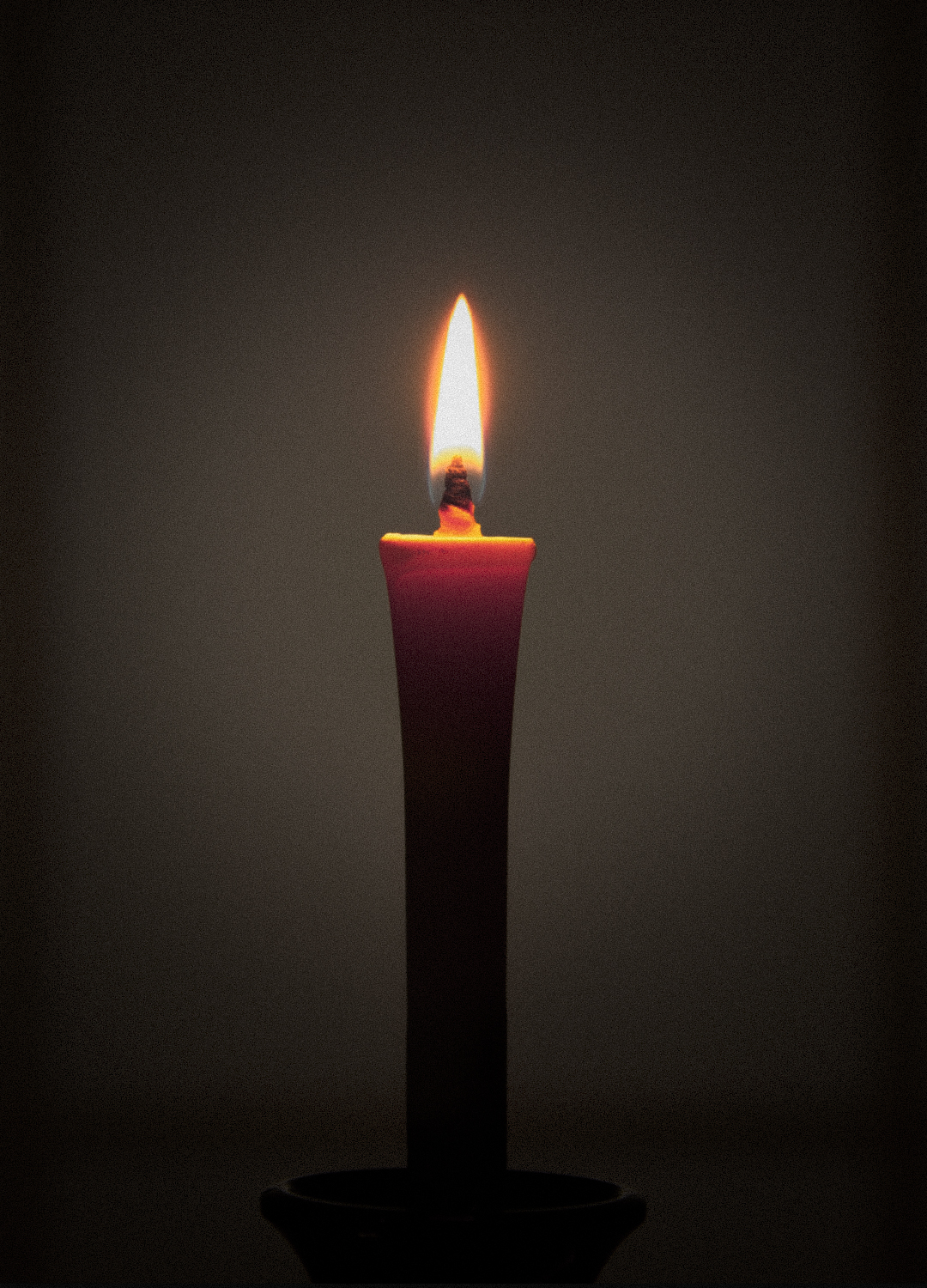
和蝋燭 warousoku is a traditional Japanese candle.
It has been made in Japan since the Muromachi period(1336-1573).
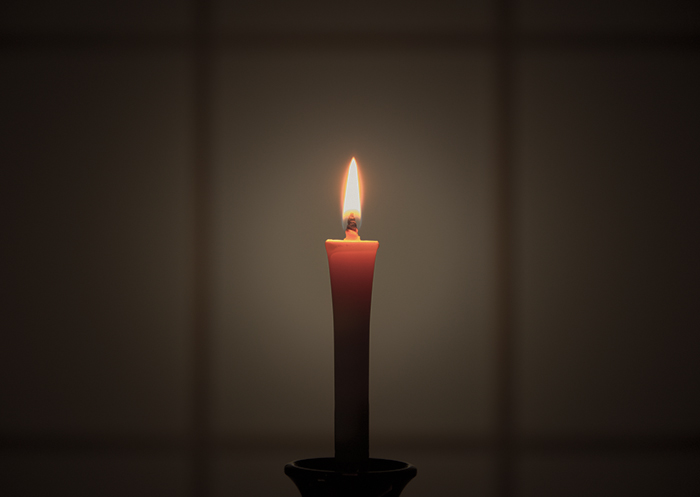
When you place a 和蝋燭 warousoku, in a sealed room, you can observe the subtle movement of its flame.There is no draft. Nothing is blowing on it. Although the flame keeps moving in a slow irregular sway.
This moving will not produce a Western candle in the same room. People find it difficult to look away from, and there is a specific reason it happens — one that comes down to how the candle is built.
There is a short film of this story. Watch it on Instagram.
What a Warousoku Is
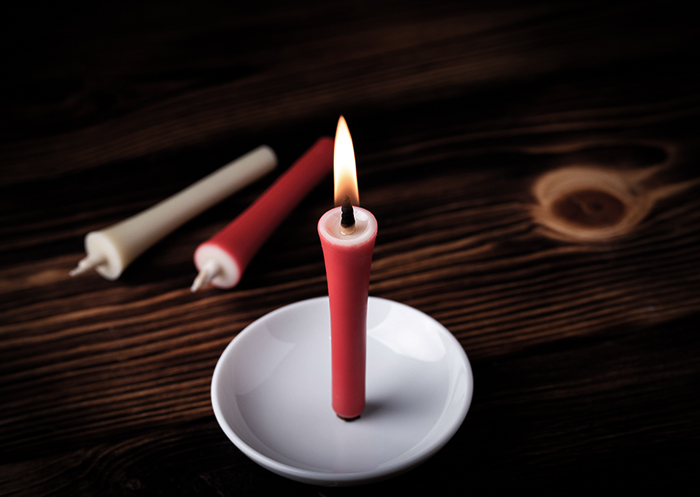
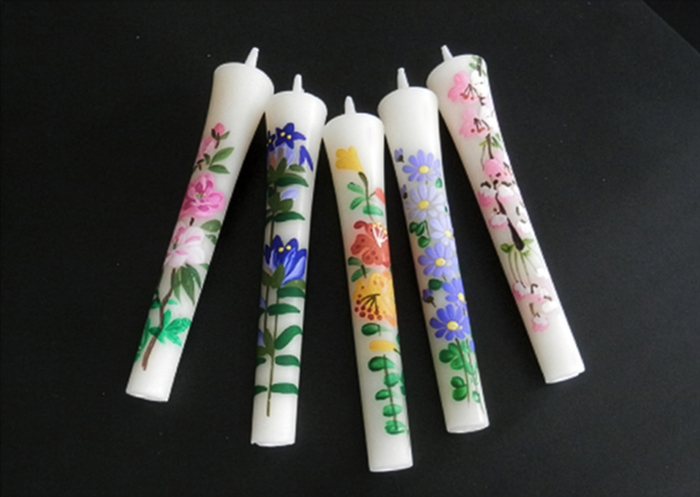
A warousoku is a candle made by traditional Japanese methods. It arrived from China together with Buddhism, and production in Japan began in the Muromachi period (1336–1573).
Early examples were plain and undecorated. Today the 絵蝋燭 e-rousoku — the painted candle, worked in bright colors — is at least as popular.
What Makes It Different
The Materials
The wax is made of plants. The principal sources are the berries of the 櫨 haze tree, rice bran, and rapeseed — vegetable fats, which are rendered into 木蝋 mokuro, vegetable wax. Burning plant oil produces a flame with a particular color: a deep, warm orange that petroleum wax does not give.
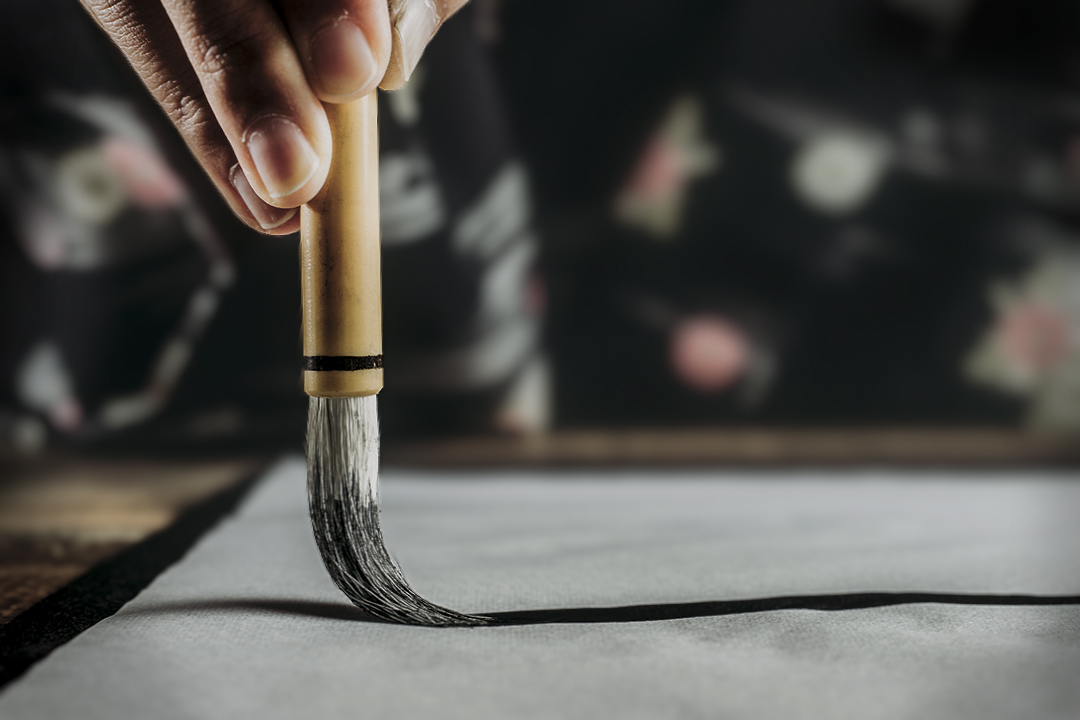
The wick is not thread. It is made of 和紙 washi, the handmade paper used in calligraphy, wrapped together with 藺草 igusa, the rush from which tatami mats and floor coverings are woven.
Both of those materials would be recognized instantly by anyone who has spent time in a Japanese room. The candle is made out of the same country as everything around it.
The Construction: Why the Flame Moves
The washi and rush are combined and rolled into a thick wick, and the mokuro is poured around it in layers.
The critical detail is that the wick is hollow. Air travels up through the center of the candle and feeds the flame from below, continuously and unevenly.
That is the whole explanation for the sway. It is not responding to the room. It is being fed by its own internal draft.
Each candle is made by hand, by craftsmen working with technique accumulated over generations.
Difference between the Western Candle
The difference visitors notice first is the movement in still air.
The second difference is what the flame gives off. Western candles are made from petroleum, and they tend to produce more smoke and soot, and to go out more readily.
A warousoku, being plant-derived, is said to smoke and soot less, and to stay lit more stubbornly.
It Requires Maintenance
A warousoku demands a task that no Western candle asks of you: 芯切り shinkiri, trimming the wick at intervals.
This follows directly from the hollow construction. As the candle burns, carbon accumulates inside the cavity. Left alone, that residue catches, the flame grows beyond its proper size, and the candle becomes a fire risk.
So it needs attention. It is reasonable to find this endearing rather than inconvenient — the same structure that obliges you to tend it is the structure that produces the movement you lit it for.
Scent
Western candles have an entire category devoted to fragrance. Does a warousoku have a scent of its own?
A traditional one carries a faint, mild smell that comes from the vegetable fats themselves. More recently, scented versions have appeared — アロマ和蝋燭 aroma warousoku — including sets keyed to the 二十四節気 nijushi sekki, the twenty-four solar terms, and the 七十二候 shichijuni ko, the seventy-two micro-seasons into which the traditional Japanese year is divided.
A scent keyed to each five-day division of the year is an idea that could only have come from this calendar.
How It Was Used
As Light
The original function is the obvious one. Before electricity, anyone who wanted to do anything after dark depended on a flame.
The function has not entirely disappeared. Candles still serve when the power fails, and anyone who has sat through a long outage knows that the effect of the light is not only practical.
One Hundred Candles, One Hundred Ghost Stories

There is a scene that recurs in Japanese film and television: someone finishes telling a ghost story, and blows out a candle.
That is 百物語 hyakumonogatari, the hundred tales, a tradition that became fashionable among both warrior households and townspeople during the Edo period (1603–1868).
A hundred candles are lit. Each time a ghost story is told, one candle is extinguished. The legend holds that if the last story ends and the last flame is put out at 丑三つ時 ushimitsudoki — the dead hours between roughly two and half past two in the morning — something genuinely supernatural will appear.
The number is thought to derive from 百鬼夜行 hyakki yagyo, the night parade of a hundred demons, which entered Japan in the Muromachi period.
The warousoku was essential to the effect. In an age without electric light, that small flame was all there was. A room lit by swaying candlelight, growing measurably darker with every story told, is a piece of staging that would be difficult to improve on.
The Candle and the Samurai
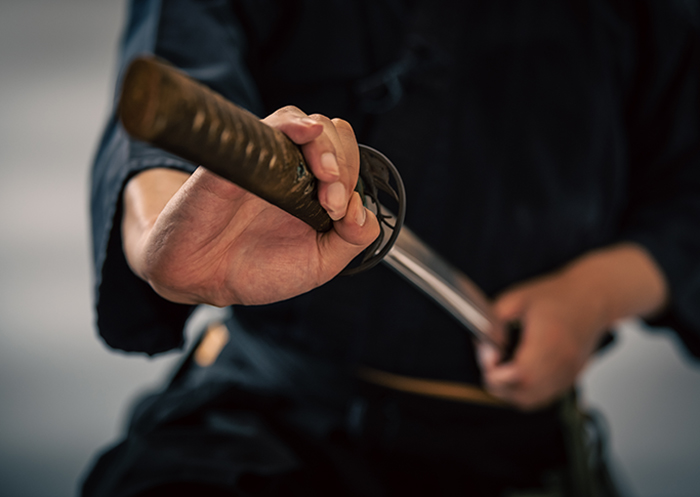
Cutting the Flame
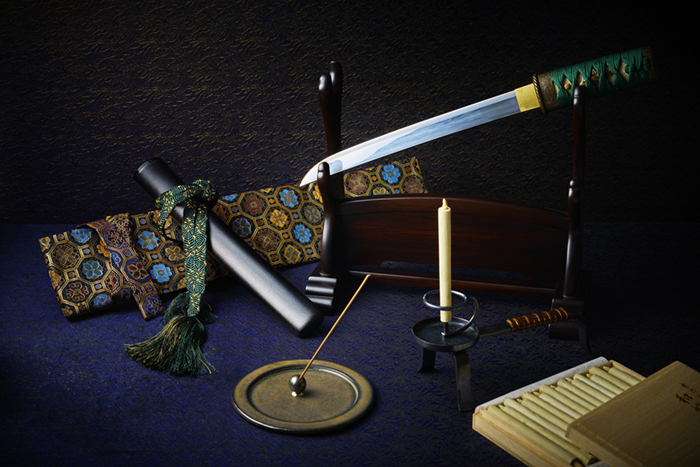
There is a training exercise called 蝋燭切り rousokugiri, candle-cutting.
The name is misleading. The object is not to cut the candle. It is to swing the blade at the flame and extinguish it — to put out fire with a sword stroke, leaving the candle standing.
Schools of classical martial arts, among them 天心流 Tenshin-ryu, have used it as part of regular practice.
Why It Was Worth Practicing
The exercise trains two things at once.
Technique. It demands exact 刃筋 hasuji — the alignment of the cutting edge through the stroke — and a sharply defined path for the blade. The flame will not go out unless the sword takes its center. According to instructors who perform it, a blade passing just above the flame will often fail to extinguish it: air pressure alone is not enough.
Cutting something with no substance turns out to require more precision than cutting something solid.
Concentration. The stroke cannot be made while distracted. A stray thought moves the line of the blade.
What the exercise requires is the clearing away of everything else and complete attention on a single point.
There is also a plain physical stake. A misjudged stroke that knocks the candle over risks starting a fire. The risk is part of the training. Choosing an exercise where inattention has immediate consequences is a sound way to teach attention.
It Was Expensive
Warousoku had been made in Japan since the Muromachi period, but through the Sengoku era it remained a luxury good. A single candle cost about what a craftsman earned in a day.
One episode conveys how much they were worth.
Takeda Shingen Sent Oda Nobunaga Three Thousand Candles
織田信長 Oda Nobunaga and 武田信玄 Takeda Shingen are famous 武士 bushi in Sengoku period. They conpeted for controling of Japan. Over the course of several wars, they sought to bring their relations closer through the marriages of their children.
The intended couple were Nobunaga’s son 奇妙丸 Kimyomaru and Shingen’s youngest daughter 松姫 Matsuhime. At the time of the marriage, he was eleven years old; she, for her part, was married at the tender age of seven. — Marriage at an age considered to be childhood was not uncommon of the day.
It was, of course, a political marriage, arranged by the two fathers to seal an alliance. A betrothal on which the unification of the country might turn would have been the news of the year.
As part of the betrothal gifts, Shingen is said to have sent Nobunaga three thousand warousoku.
Set that against a day’s wages per candle and the scale of the gesture becomes clear. Shingen was stating what he thought the alliance was worth.
The alliance collapsed shortly afterward and the engagement was annulled. The Takeda house was destroyed when Matsuhime was twenty-two. She became a nun and lived quietly for the rest of her life.
The Candle in Buddhism
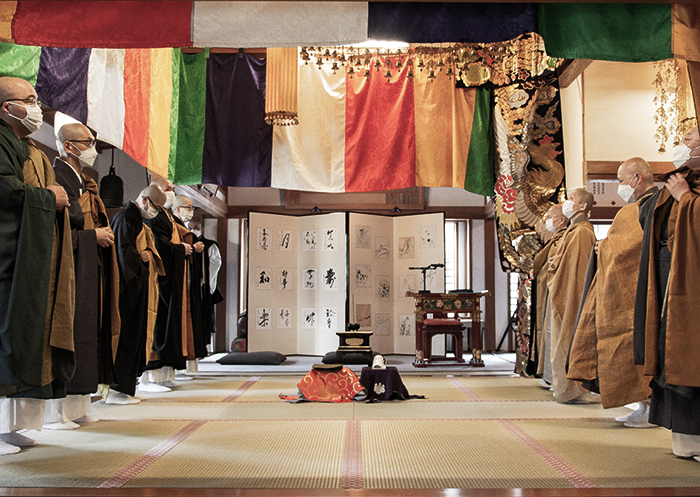
Since the warousoku arrived from China alongside Buddhism, the two have never been fully separable. In Buddhist terms the candle is 智慧の光 chie no hikari, the light of wisdom that illuminates darkness.
That light is given by the Buddha. Living in this world, we become clouded by desire and lose the path; the light of wisdom serves as the marker that guides us back.
So a candle used as illumination is also understood to illuminate something else — the darkness of the inner world.
When offered at an altar, warousoku are placed in pairs. The two stand for 自明灯 jimyoto, the lamp of trusting oneself, and 法明灯 homyoto, the lamp of taking truth as one’s support.
White and Vermilion
Traditional warousoku come in two colors, white and vermilion, and they are not interchangeable.
White is used for funerals; for memorial services in the earlier years, from the first through roughly the third anniversary; for monthly observances on the day of a death; and for daily or monthly prayer.
Vermilion, in the 浄土真宗 Jodo Shinshu tradition, is used for memorial services from the seventh anniversary onward; for 彼岸 higan and 盆 bon; for auspicious occasions such as New Year and Buddhist weddings; when cleaning the household altar; and at the raising of a grave.
In other traditions, vermilion is used for memorial services from the third anniversary onward, and for rites of petition — safety for the household, a good marriage, and the like.
Practice varies by school and by region. The local tradition governs.
The Candle in Modern Ways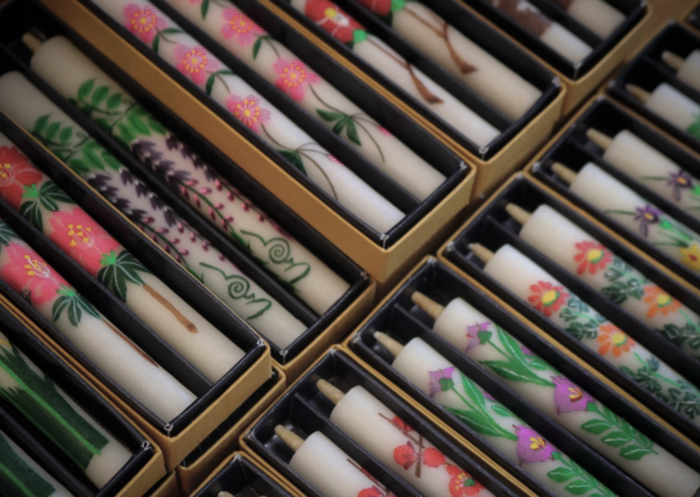
The contemporary warousoku is often bought as an object rather than a light source. A painted e-rousoku will decorate a room without ever being lit.
Practical designs have also multiplied — scented versions, and candles supplied with burning plates.
And there is the flame itself. The movement produced by that hollow wick has a measurable calming effect on the people watching it, which is the oldest reason anyone ever sat in front of one.
What the Flame Was For
A warousoku has never only lit a room. Through Buddhism it became a support for the mind, and through rousokugiri it became an instrument for sharpening one — the instant of tension before the stroke did real work in the training of a warrior.
Occasions to use one have grown rarer. The light has not changed. It remains among the most reliable ways to slow down at the end of a day.
KOTO offers pieces made for those who wish to keep the samurai’s discipline within reach — a Japanese sword and a hand-made candle, produced to order by craftsmen working in traditions two thousand years old. Because each is made individually, no two are ever the same.
This story also exists as a short film. Watch it on Instagram, or follow @koto794kyoto — one craft, and the thousand years behind it, at a time.
- SHARE
-


( craft )