








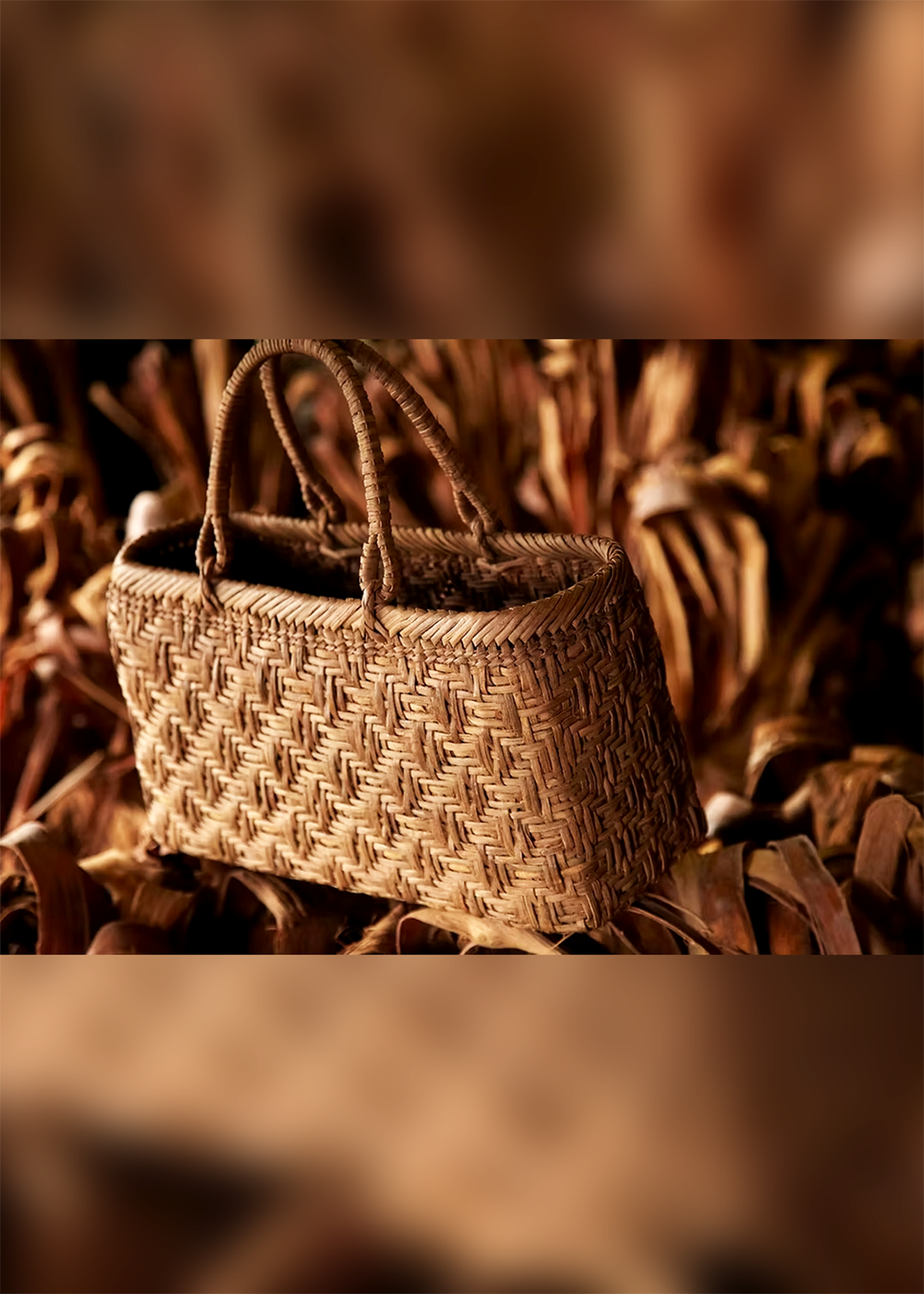
Yamabudo Bag: Japan’s Wild Grape Vine Basket from Aomori
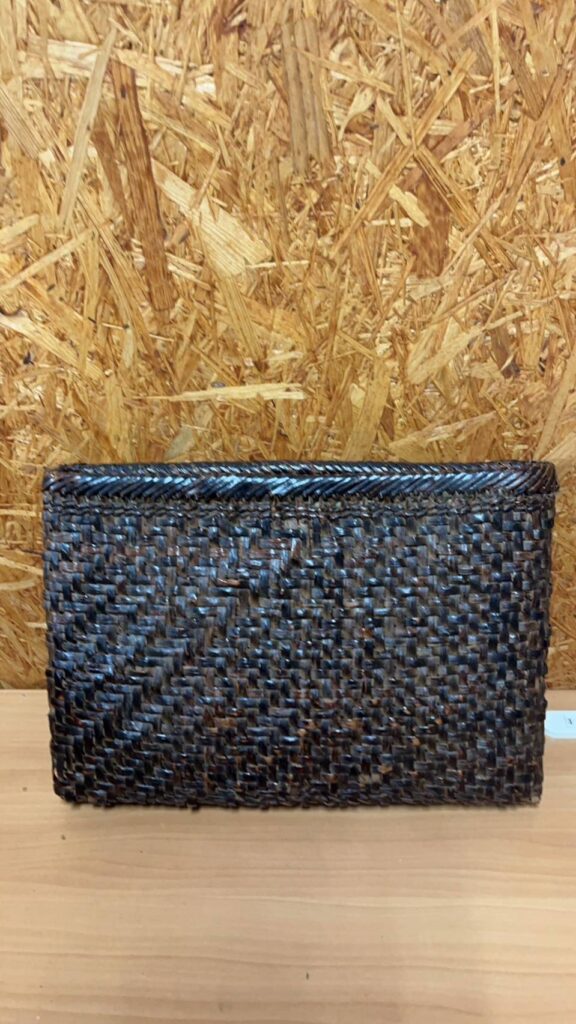
山葡萄 yamabudo, Japan’s wild grape vine, first entered use for reasons that had nothing to do with fashion. Farmers and porters pulled the bark from the vine to bind loads, and the same fiber went into the ropes of suspension bridges, valued above all for one quality: it did not wear out. A yamabudo bag, kept well, is said to last 100 to 200 years, passed from parent to child across three generations. One such bag has been in use for more than fifty years; the bark has taken on a black sheen and a texture that now reads as leather rather than wood.
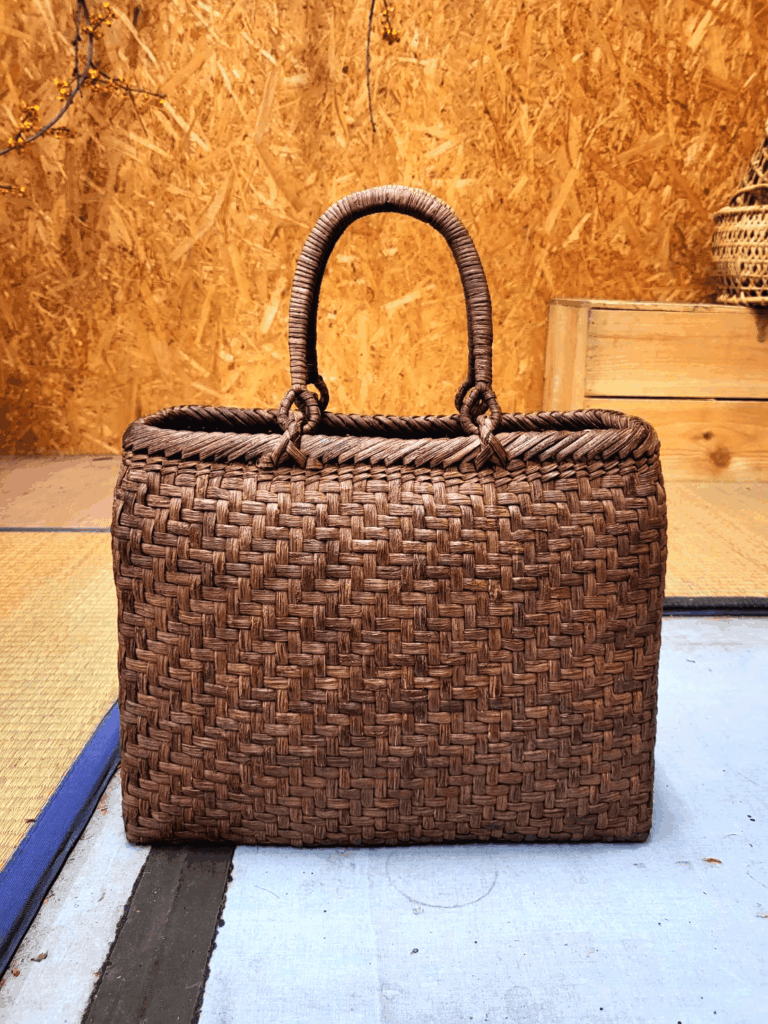
This piece looks at how a 山葡萄バッグ yamabudo baggu, wild grape vine bag, made by 宮本工芸 Miyamoto Kogei of Aomori Prefecture comes together, and why the material behind it has become so difficult to secure.
How a Yamabudo Bag Is Made
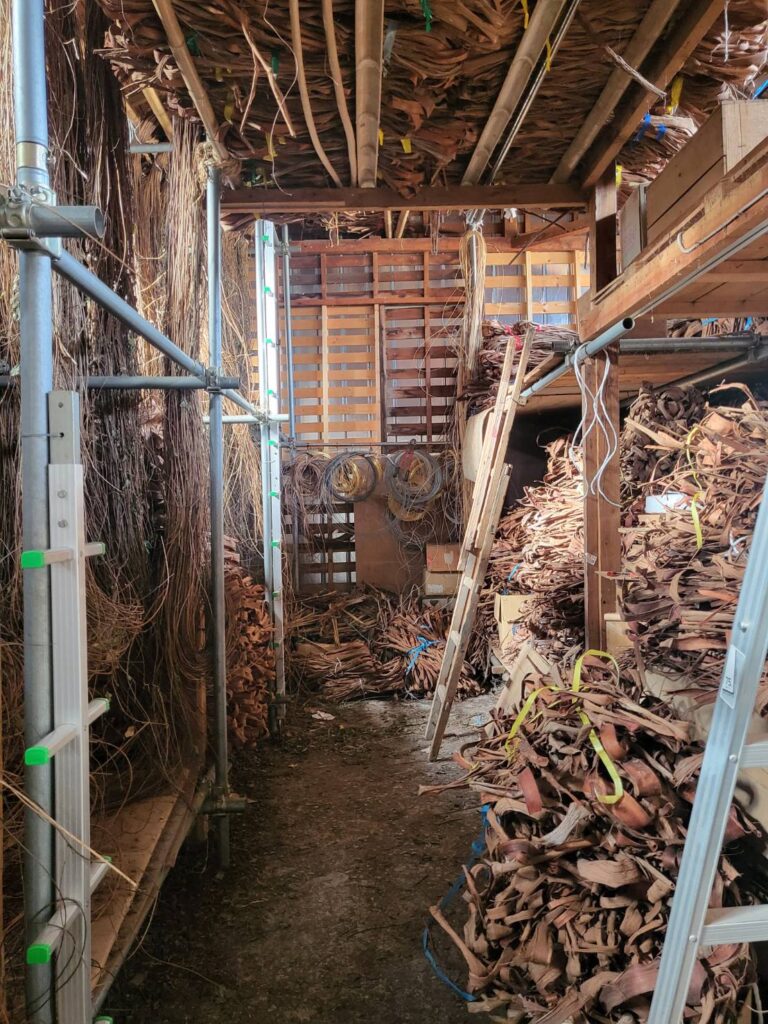
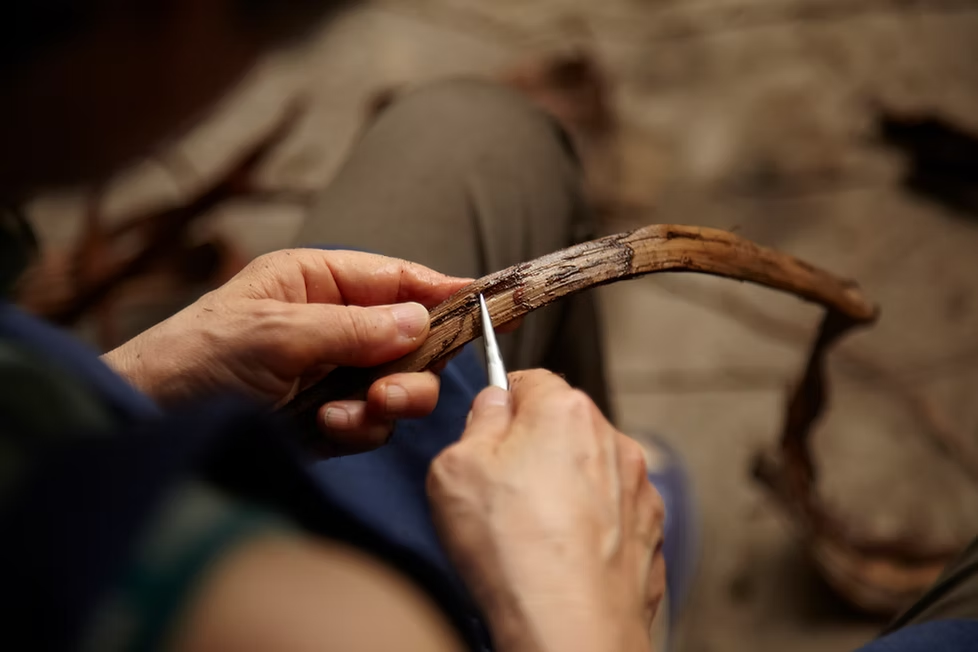
Yamabudo bark grows wrapped around the trunk of the vine itself. Only the outer layer is shaved away and collected — the craftsman works with nothing but this outer skin. The bark can only be harvested for about a month, in June and July, and once gathered it is dried in a storehouse or indoors.
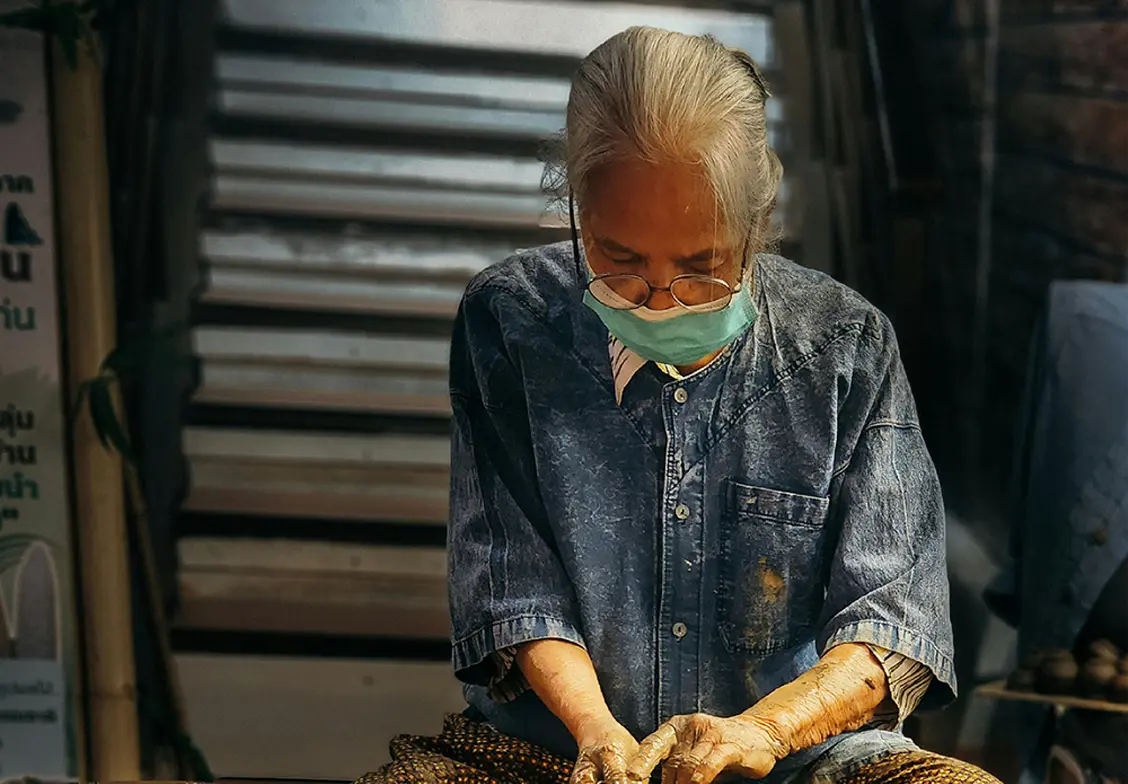
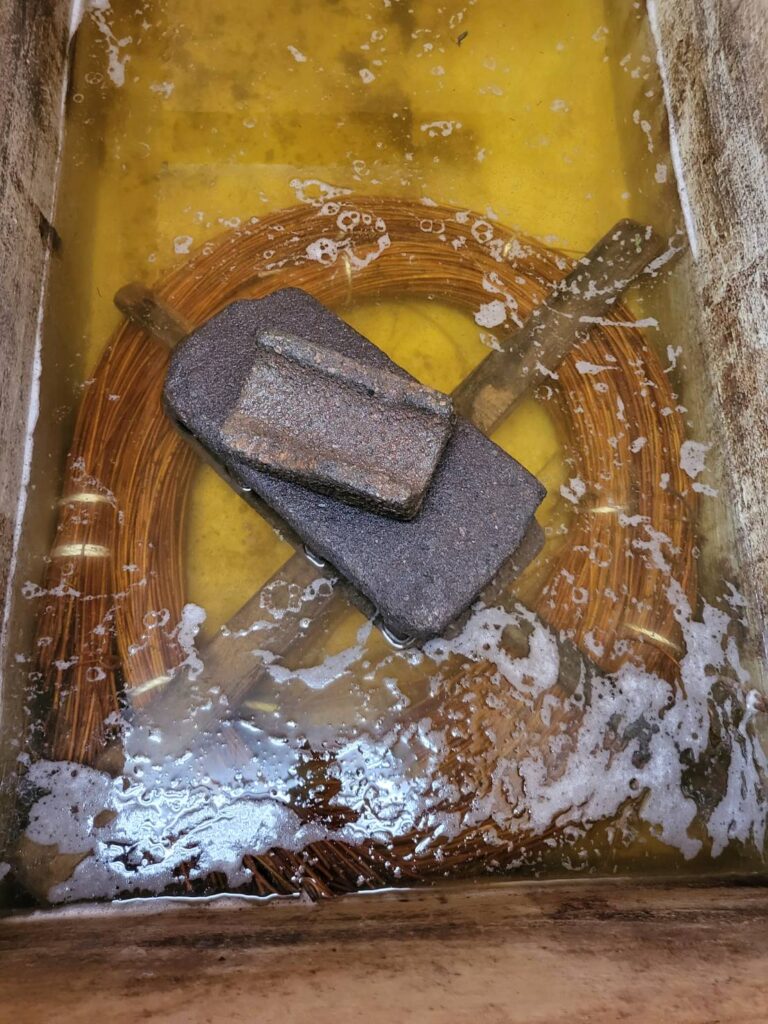
From that point, a single craftsman carries the bark through to a finished bag. The bark is first soaked in water and steamed, to soften it. What follows is the stage that asks the most of a craftsman’s hand: 皮引き kawahiki, skin-pulling, and なめし nameshi, tanning and smoothing. Wild bark has none of the even width of tanned leather — each strip differs — so the craftsman stretches and steams it repeatedly, working it down into strips of a consistent width that can be woven into a basket bag.
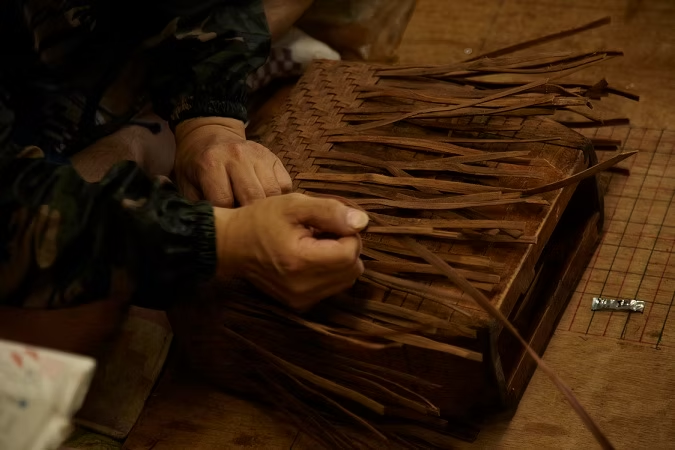
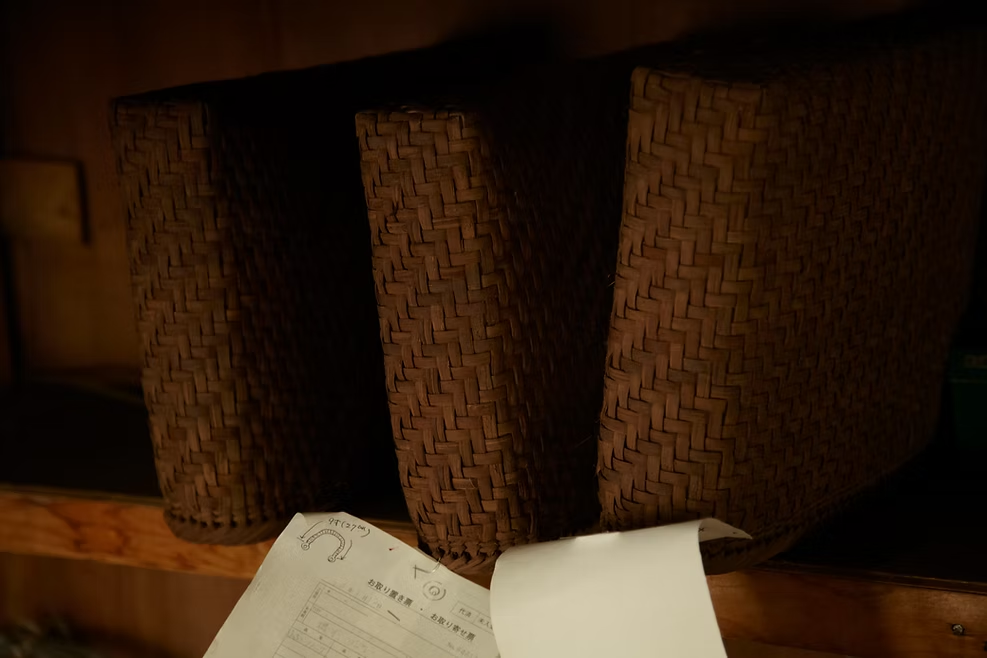
Once the strips are ready, weaving begins over a wooden form. The craftsman keeps the bark damp with water while weaving, anticipating how much it will shrink once it dries, and works it in with care. A natural material, unlike a manufactured one, varies piece to piece — adjusting for that variation by feel, built up over years, is itself the craft. After the body of the bag is woven, the inside is packed with paper and dried thoroughly; a stiff palm-fiber scrubbing brush — 亀の子たわし kamenoko tawashi — is then used to brush away loose fiber before the handle is attached and the bag is complete.
Miyamoto Kogei builds the core of its handles from 通草 akebi vine and wraps yamabudo bark around it. Making the handle detachable from the body of the bag is a signature of the workshop’s construction — a choice made specifically so the bag can be repaired.
Why a Miyamoto Kogei Yamabudo Bag Is So Precious
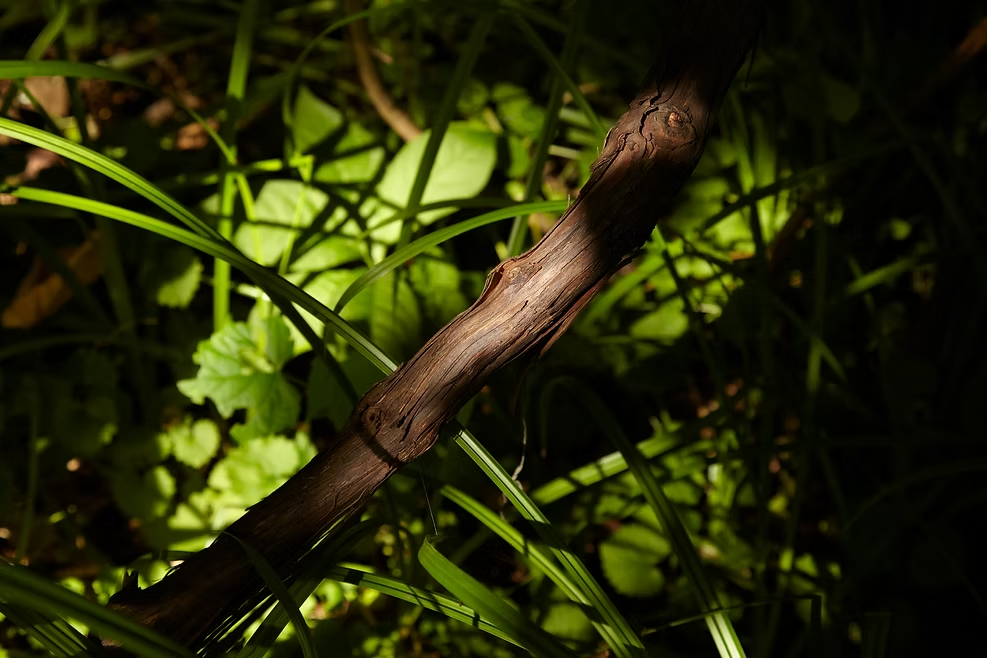
Miyamoto Kogei sources its yamabudo bark from 岩木山 Iwaki-yama, Mount Iwaki, in Aomori Prefecture. Environmental change has steadily reduced how much bark the mountain yields each year, and the harvesters themselves are aging — fewer people remain who are able to do the work.
The vine grows deep in the mountains, in terrain thick with sasa bamboo grass and trees, and reaching it demands both the physical work of pushing through that undergrowth and the judgment to go deep into the mountain and find it. Locating strips straight and long enough to weave into a basket bag is, on its own, demanding work.
A yamabudo bag is never inexpensive. It is made from a genuinely scarce material, and a craftsman gives long hours to shaping each piece by hand — the result is a bag built to be used for a lifetime, and passed down across three generations.
KOTO is a journal of Japanese craftsmanship, culture, and the aesthetic sense behind them.
- SHARE
-


( craft )