








Why the Japanese School Year Begins in April, Not September
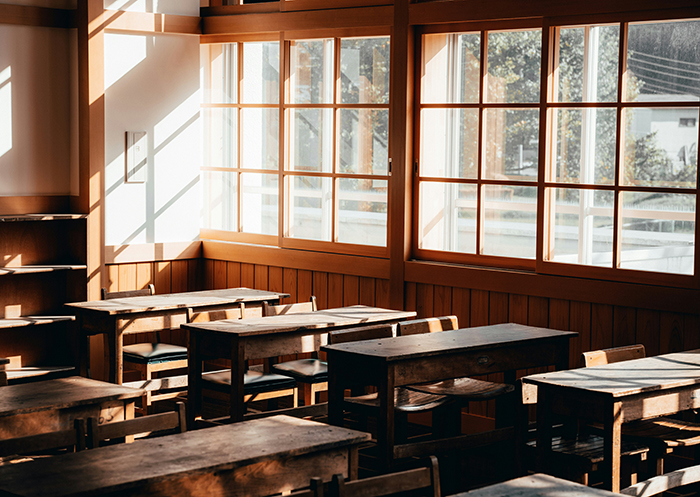
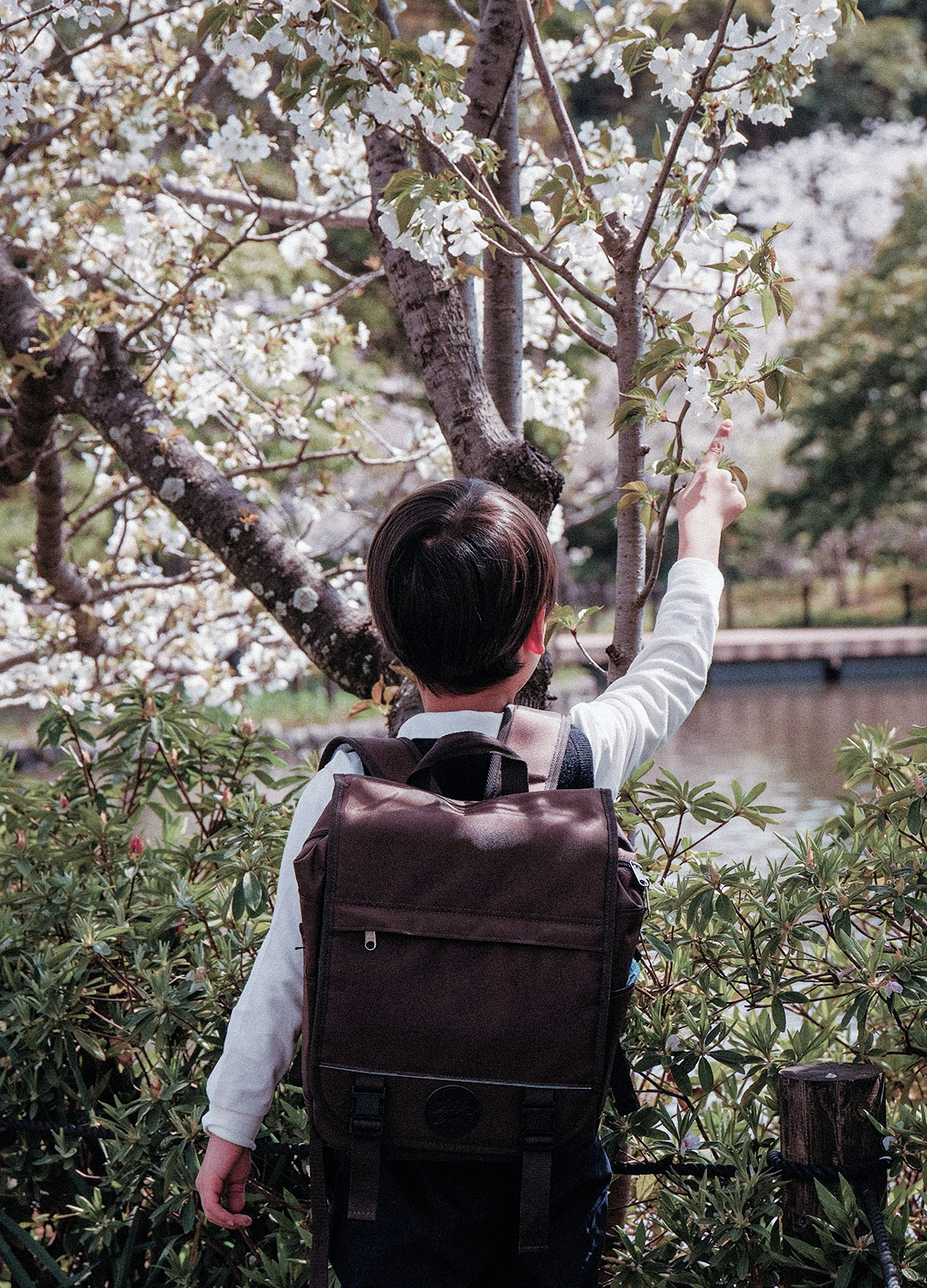
Ask someone in Japan what April brings to mind, and most will answer with some version of the same thing: starting school, moving up a grade, starting a first job. Every April, a wave of people steps into something new, and the season’s mild weather arrives carrying both anticipation and nerves in roughly equal measure.
Most of the world does not organize its year this way. In most countries, the school year begins in September. April starts are comparatively rare — Japan and India are the most commonly cited examples. So why did Japan end up here?
The Root Cause: Japan’s Fiscal Year
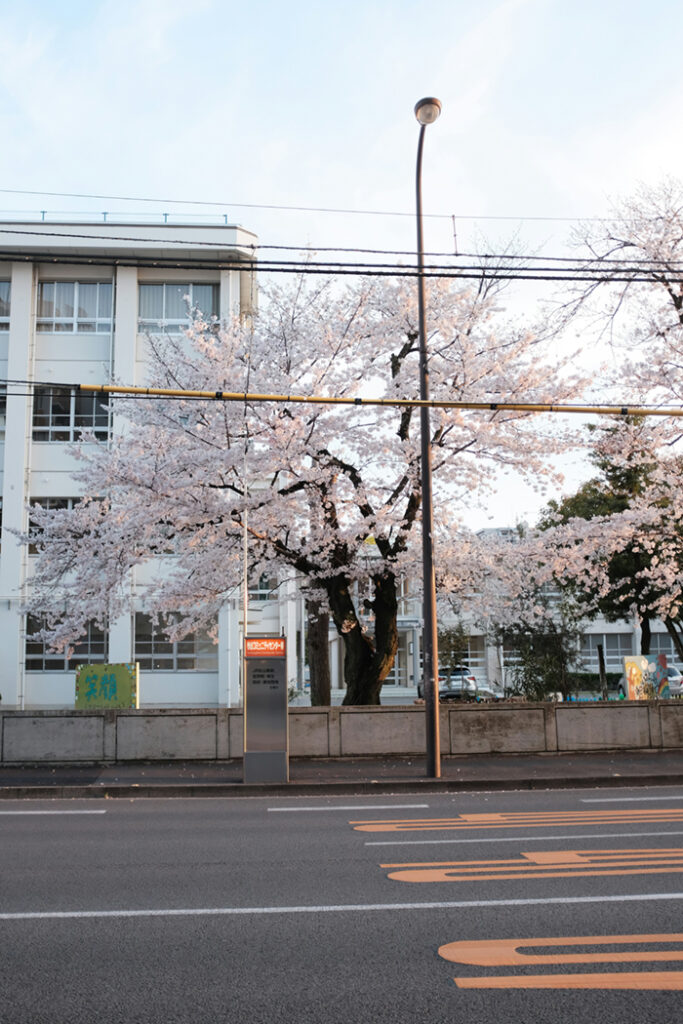
The immediate reason schools begin in April is that April 1 is also when Japan’s 年度 nendo — its fiscal and institutional year — begins.
What Is a Nendo?
A nendo is the twelve-month cycle an organization uses to run itself, as distinct from the calendar year. In Japan, the default nendo runs from April 1 to March 31, and it governs school terms, the entry of new employees, and, in government offices, new policies, personnel reassignments, and budget cycles.
The turn of the nendo touches daily life well beyond schools and offices:
– Commuter passes.
Early to mid-April is when students and workers buy new commuter passes for school or work, so train ticket counters get crowded — worth planning around if you happen to be traveling in Japan that week.
– Magazine and newspaper serials.
A number of magazines and newspapers refresh their running serials at this point in the year.
– New laws taking effect.
Legal revisions passed in the Diet often take effect around this date. In 2026, for instance, this includes the integration of the My Number card with driver’s licenses and revisions to the Road Traffic Act.
Nendo Is Not the Same as “Year”
Japan also counts years the ordinary way — 2026, or Reiwa 8 in the imperial era-name system — but that calendar year and the institutional nendo are not the same thing, and the distinction matters.
年 Nen: the calendar year, January 1 to December 31. Example: 2026 runs from January 1, 2026 to December 31, 2026.
年度 Nendo: a twelve-month cycle set by a given organization for its own purposes. The most common versions:
– 学校年度 Gakko-Nendo: School year. the year used by Japanese elementary schools, middle schools, high schools, and universities to mark grade levels.
– 会計年度 Kaikei-Nendo: Fiscal year. used by national and local government, within which a pre-set budget is spent.
– 企業年度 Kigyo-Nendo: Corporate year. set independently by each company, though April and January starts are the most common.
Both the school year and the fiscal year begin on April 1, which means the same calendar year is split across two nendo. January 1 through March 31 of a given year belongs to the previous nendo:
Period — Nendo
January 1 – March 31, 2026 — 2025 (Reiwa 7) nendo
April 1 – December 31, 2026 — 2026 (Reiwa 8) nendo
January 1 – March 31, 2027 — 2026 (Reiwa 8) nendo
How the April Start Connects to Modern Japanese History
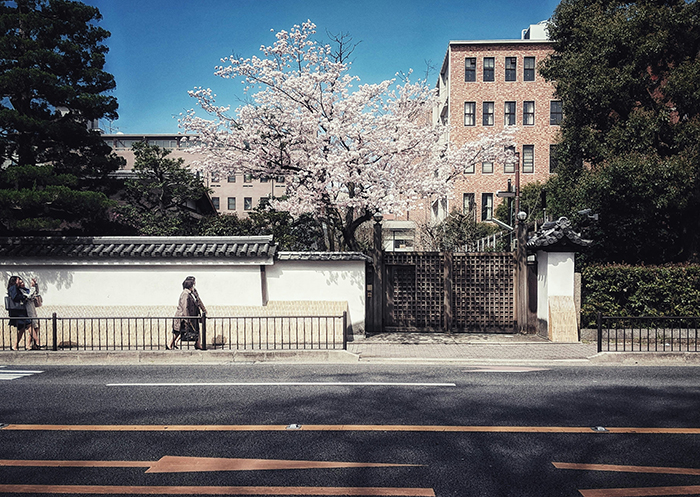
The reason Japan settled on April lies in its modern history, specifically in the transition from the Edo period (1603–1868) into the Meiji era (1868–1912).
Meiji Japan and Westernization
![[Citation] "A True Depiction of Mitsui at Suruga-cho, Tokyo," by Mosai Yoshitora, published by Sawamuraya Seikichi | National Diet Library Digital Collections](https://koto794.com/common/wp-content/uploads/2026/04/004_meiji_and_western.jpg)
The shift from the Edo period to the Meiji era brought sweeping change to Japanese culture and politics alike, and one of its central threads was the wholesale adoption of Western practices — a movement later known as 文明開化 Bunmei Kaika, “civilization and enlightenment,” which rapidly modernized daily life in Japan.
The push to Westernize so quickly had a clear motive: standing as an equal among the Western powers. Commodore Perry’s arrival with his fleet of “black ships” had shown the Japanese firsthand what Western military and industrial strength looked like, and it left a strong sense that Japan needed to build its own national power to negotiate with the West on equal terms.
There was also a diplomatic incentive. Japan had signed a series of unequal treaties with Western nations, and revising them required demonstrating that Japan, too, was a “civilized nation” by Western standards. Adopting Western institutions and modernizing was, in that sense, a practical necessity as much as a cultural shift.
The Fiscal Year Briefly Started in October
At one point during this modernization drive, Japan’s fiscal year was set to begin in October. It soon proved out of step with how ordinary people actually lived, and a reform known as 地租改正 Chisokaisei, the land tax reform, was a major reason why.
What Was the Chisokaisei?
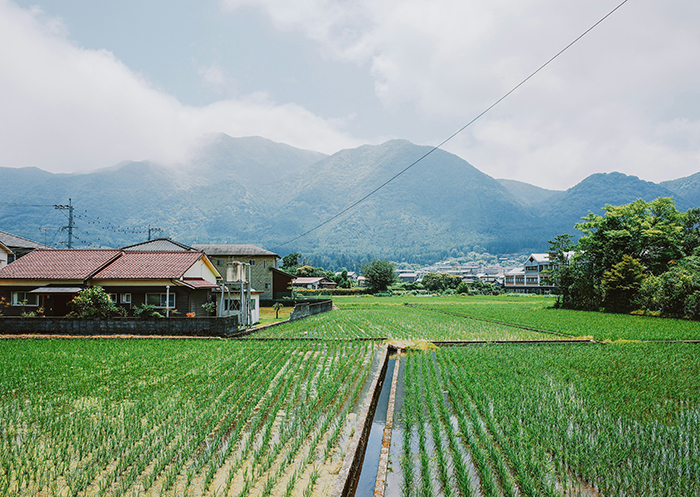
The Chisokaisei was the Meiji government’s overhaul of land and tax policy. Through the Edo period, land tax (年貢 nengu) had been paid in rice. The reform switched this to a cash payment based on assessed land value.
Rice had served as the tax medium because, unlike cash, it does not spoil and can be stored and divided easily — in effect, it had functioned as a form of currency in its own right, despite being a foodstuff.
But the Meiji government, driving rapid modernization, needed large amounts of actual cash. So it required the population to pay its taxes in currency instead.
Why October Didn’t Work
An October fiscal year start, however, collided directly with the rice harvest, leaving no time to convert rice into cash before payment was due. A late payment pushed back the whole process of setting and running the year’s budget.
To give people enough time to sell their rice and pay in cash, the Meiji government moved the fiscal year to April. That single adjustment is the origin of the April fiscal year that Japan still uses, and when the fiscal year moved to April, the school year moved with it.
There was, incidentally, a brief period when the fiscal year opened in July instead. It coincided with a spike in military spending and a resulting budget deficit, and the fiscal year reverted from there — a result that, in hindsight, is cited as further evidence that April gave the government the right amount of lead time to plan its budget.
A Few Other Reasons Schools Landed on April
Several additional factors are cited for why Japanese schools specifically settled on an April start:
– Alignment with military academies. Military academies of the era admitted students in April, following the conscription law, which required draft notices to go out by April 1. Some accounts suggest ordinary schools shifted to an April start partly to avoid losing their strongest students to the military academies, which had moved first.
– Farm labor. When the current nine-year compulsory education system was set in 1947, many children were still expected to help with farm work. That labor caused frequent absences, and an April start was intended to minimize its disruption to schooling.
– A British model. Britain, then a leading economic power, ran its fiscal year from April, and the Meiji government is said to have followed that example.
Two Pieces of School-Year Trivia
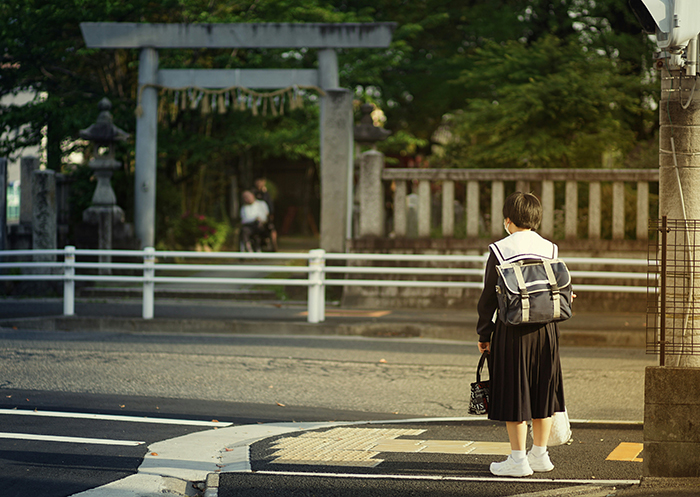
One: The Difference Between “Early-Born” and “Late-Born”
As explained above, the Japanese school year turns over on April 1, which means every grade mixes children born the previous calendar year with children born in the new one. Take students entering elementary school in the 2026 school year as an example.
How a grade is defined (2026 school-year entrants): a single grade is made up of children born between April 2 of one year and April 1 of the following year.
Group — Date of birth — Common term
Group 1 — April 2, 2019 – December 31, 2019 — 遅生まれ osoumare, “late-born”
Group 2 — January 1, 2020 – April 1, 2020 — 早生まれ hayaumare, “early-born”
Children born in the Group 1 window are called osoumare; those in Group 2 are hayaumare — a term that, on the surface, seems backward.
Why Call It “Early-Born” When the Birthday Comes Later?
Within a given school year, a hayaumare child’s birthday actually falls later than most of their classmates’. So why “early”? The answer lies in 数え年 kazoedoshi, Japan’s traditional way of counting age, once used in place of counting by actual birthdays.
Under kazoedoshi, everyone turns a year older together on January 1, regardless of their individual birthday. Japan used to reckon age this way rather than by each person’s own birthday.
Reason one: they turn a year older “early.” A child born between January 1 and April 1 gains a year of age, by the old kazoedoshi count, on January 1 — ahead of their own birthday, and ahead of children born later in the year. That sense of aging “early” is where the term comes from.
Reason two: they start school “earlier” than others born the same calendar year. This is the more decisive point. Compare children born in the same calendar year, 2020:
– Born January 1 – April 1, 2020 (hayaumare) → enters elementary school in the 2026 school year
– Born April 2 – December 31, 2020 (osoumare) → enters elementary school in the 2027 school year
By the kazoedoshi logic, children born in the same calendar year “should” be the same age — and the same grade. But under the actual rule, children born January 1 through April 1 start elementary school a full year earlier than their same-year peers. It is because they enter school “one year earlier than their same-birth-year peers” that they are called hayaumare.
A short summary of the difference:
Osoumare (late-born) — Hayaumare (early-born)
Date of birth: April 2 – December 31 — January 1 – April 1 of the following year
Birthday within the school year: Comes earlier — Comes later
School entry timing : On schedule for their birth year — One year earlier than same-birth-year peers
Framed by “grade,” the logic can feel tangled — even Japanese people occasionally trip over it. The easiest way to remember it: a hayaumare child advances a grade one year “early,” measured against the calendar year they were born in.
Two: The Earliest Possible Birthday in a Grade Is April 2
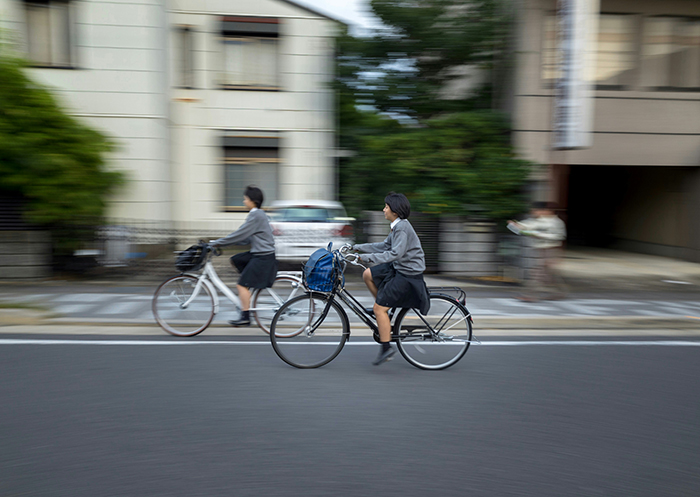
Japan’s institutional year, as established above, begins on April 1. And yet, by law, the earliest possible birthday within a school grade is April 2 — a one-day gap that seems, at first glance, hard to explain.
The reason traces to the 学校教育法 Gakkō Kyōiku Hō, the School Education Act of 1947.
A Distinctive Way of Calculating Age
Within the School Education Act is a clause referencing the 年齢計算ニ関スル法律 Nenrei-ni-kansuru-houritsu, the Act on the Calculation of Ages. Under its logic, a child is treated as having reached the age required for elementary school entry at the final moment — midnight — of the day before their birthday.
For someone born on May 18, for instance, the calculation works out as follows:
Actual birthday — Birthday under the School Education Act’s calculation
May 18, 12:00 a.m. — Midnight at the end of May 17
Midnight at the start of a day and midnight at the end of the day before are, in practical terms, the same moment — the distinctive part is that the School Education Act formally counts it as “the end of the previous day.”
Apply that rule to children born on April 1 and April 2, and the one-day gap resolves itself:
Actual birthday — Birthday under the School Education Act’s calculation
April 1, 12:00 a.m. — Midnight at the end of March 31
April 2, 12:00 a.m. — Midnight at the end of April 1
A child born on April 1 is legally treated as reaching the required age on March 31 — one day before the new school year begins. That places them a full grade ahead of children born just one day later, and puts them in the hayaumare group.
Since the actual calendar date sits right at the school-year boundary, this is one of the more confusing corners of the system.
As of 2026, Japan has no system of grade-skipping. In practice, that means elementary and middle schools, where education is compulsory, are made up almost entirely of same-age classmates. (High schools, universities, and vocational schools can differ.)
In Closing
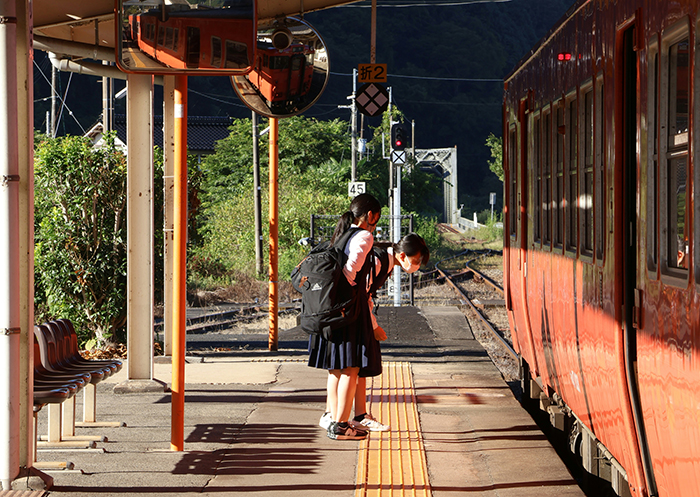
Japan’s April school start turns out to trace back directly to Meiji-era modernization and the legal reforms that came with it. The finer mechanics that grew out of that April start — from hayaumare to the one-day quirk in the School Education Act — still shape how Japanese schools run today, and much of it was news even to this author.
Because these systems were built on methods Japan studied abroad during the Meiji era, there is an interesting thread connecting them to the wider world even now. A great deal of daily life in Japan today still carries the imprint of changes set in motion after the Meiji Restoration.
KOTO is a journal of Japanese craftsmanship, culture, and the aesthetic sense behind them.
- SHARE
-


( daily-life )